avatarCarlo Zeno

Summary

The text poetically reflects on the idea that personal hardships and failures are essential for growth and beauty, akin to how a garden flourishes from compost and challenging conditions.

Abstract

The poem "Misery Makes The Garden Bloom" by Carlo Zeno uses vivid imagery to convey the notion that adversity, symbolized by poison, is a necessary ingredient for personal development and creativity, much like how a garden needs compost to thrive. It suggests that by embracing and assimilating life's bitterness, one can contribute to their own inner growth and the enrichment of their life's work. The text draws a parallel between the suffering of humans and the natural processes of the earth, implying that both are subject to the same harsh realities but can derive beauty and purpose from them. The author encourages readers to accept and even find gratitude for life's trials, as they are unavoidable and can lead to a deeper understanding of oneself and the world.

Opinions

  • The author posits that adversity, metaphorically represented as poison, is a vital component for personal growth and the creation of meaningful art or achievements.
  • There is a belief that suffering and failure are not only inevitable but also contribute to the richness of life, enhancing experiences and outcomes.
  • The text suggests that there is a divine or universal order to the trials one faces, with a purpose behind the 'sadistic' challenges presented by life.
  • The poem implies that denial or avoidance of life's harsh realities is futile, and acceptance is key to finding peace and beauty within them.
  • It is expressed that every living being endures some form of suffering, and this shared experience is part of the human and natural condition.
  • The author encourages a perspective of gratitude for hardships, recognizing their role in shaping one's character and the world around us.

Misery Makes The Garden Bloom

When god gives us poison
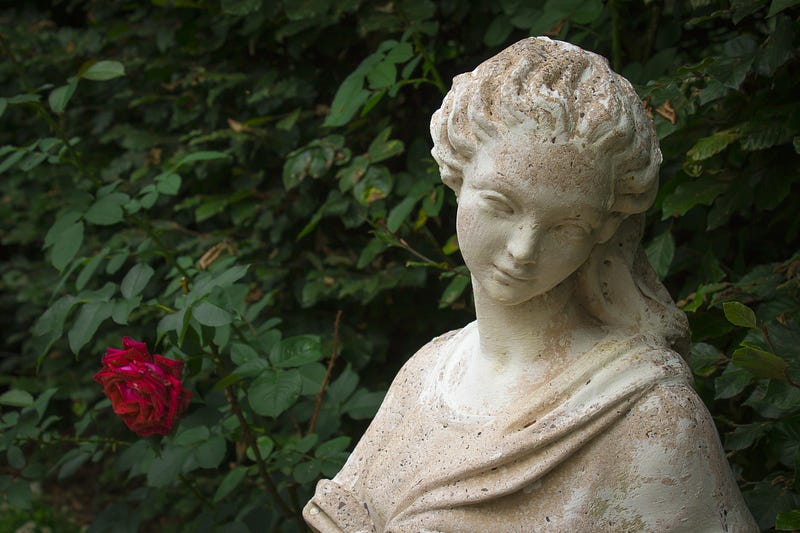
Photo by Matthieu Pétel on Unsplash

You were a god who poured us the poison we unconsciously desired.

Drinking the poison, assimilating the poison, exhaling the poison into the poisonous atmosphere —

this blessed pessimism was what we most needed to blend with the bitterness and misery of our lives.

Drink, drink the poison. It is bitter like Chinese medicine — broken dreams are needed to make the garden bloom.

Failure feeds the roses, suffering makes the tomatoes especially juicy — without pain, there is little flavor.

Raise, raise the poison, salute the sadistic god — there is rhyme in her trials, there is reason in her brutal games.

We cannot escape her fire — her bloody fingerprint is on every error, every fatal mistake, every well- intended tragedy.

You can whisper sweet nothings, smile in the face of humiliation — there’s always something that remains unspoken, lingering like stomach acid.

There is no organ, no cell, this god’s finger leaves untouched — her powers are slippery, stealing into your breath, your blood,

like genetic residue from some ancestor a thousand years ago — which of us can say we are without inherited debt, without crime?

Enjoy, enjoy the poison, drink it down to its bitter dregs — name a tree or animal who doesn’t suffer the same or worse.

Now go, go into the poison, you are poison within poison — there may or may not be a purpose, but you cannot deny there is beauty in it.
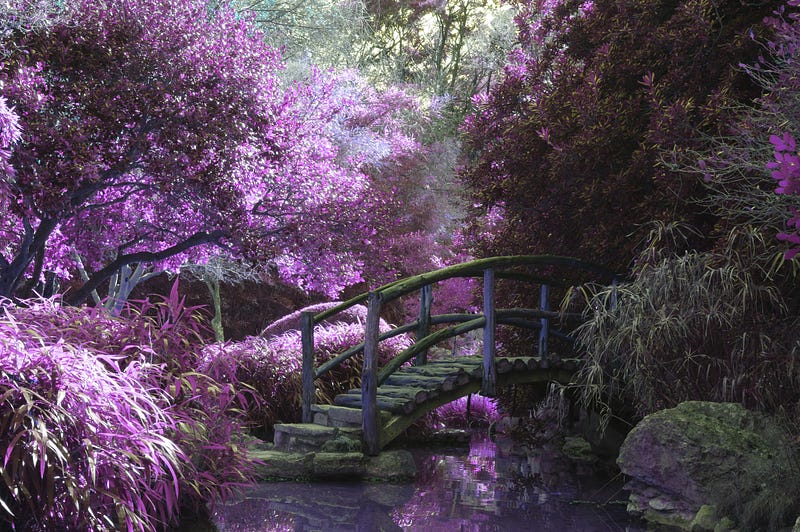
Photo by Cosmic Timetraveler on Unsplash

© Carlo Zeno 2023

Thank you for reading, and thank you to KTHT for providing this space for reflection. For two more recent poems, try these two below 🙏

Are you a writer? Subscribe to Medium using my link where you will be able to read, write, engage, and publish to your heart’s content.

Poetry
Suffering
Buddhism
Life Lessons
Know Thyself Heal Thyself
Recommended from ReadMedium
avatarJ.D. Harms
I Want You to Know

Let it flow

3 min read