
Minimalism
Less stuff means more freedom
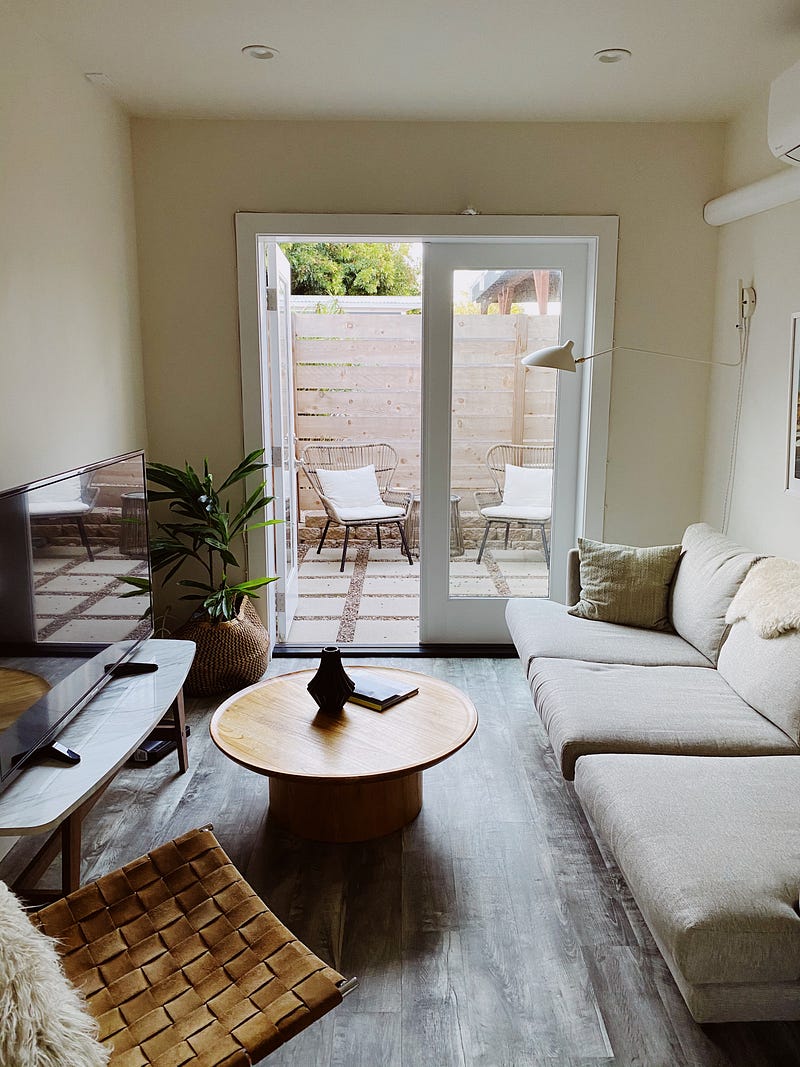
A few years ago I watched a program that shocked me. It claimed that the average house had 3000000 items in it. I got up immediately and counted every item in my living room and dining room. I counted about 500 items.
After that, I didn’t even want to start in the kitchen and count every fork. I am not even a packrat, and I hate clutter. I have always sold or donated items I didn’t need anymore. However, there were definitely still enough clothes I never wore and items in the kitchen I didn’t even know what they were used for.
Now I can say that I know where (almost) everything is in my house. I sold, donated, or recycled anything I do not use, that lost its value for me, and that does not give me joy.
I also discovered that having less stuff gives me more peace. I do not have to take care of so many things, and that saves me time and energy and also helps me avoid mental clutter. What exactly is “mental clutter?”
Let’s say I decide on Sunday to finally learn to use the new tool I thought I needed, but I get sidetracked. On Monday and Tuesday, I think about that too several times but put it off. Wednesday morning I am really ready to use that new, expensive tool, but time gets away from me. By Friday, I realize I will probably not get to it this week.
How much stuff do we have that needs our attention every day? We need to dry, clean, wash, fix, take care of, and organize so many things. How long does it take until we finally fix the leaky toilet downstairs in our four-bedroom house?
Having too much stuff leads to procrastination, and procrastination creates mental clutter. What we put off, we think of constantly accomplishing nothing.
Embracing minimalism does not just reduce physical and mental clutter. Does it also have a positive effect on our finances? We buy less stuff; we save more. When we save and invest more, we can retire early.
In addition, minimalism helps the environment. I am not the world’s greatest environmentalist, but I drive a 17-year-old car, my (only) TV is about 20 years old, my cell phone about eight, and my 31-year-old house still has the original HVAC system in it.
By holding on to the things I buy for a long time, I minimize my impact on the resources of this earth and also help my pocketbook — a win-win situation; I think.
With less stuff to take care of, I have more time, more money, more peace, and less hassle — and I don’t miss a thing.


