
Mindfulness: A Powerful Tool for Mental Wellness

In today’s fast-paced world, we often find ourselves rushing from one task to another, with little time to stop and reflect. This can take a toll on our mental and emotional well-being, leading to stress, anxiety, and other mental health issues. However, by practicing mindfulness, we can learn to be more present in the moment, reduce stress, and improve our overall mental wellness. In this blog post, we will explore what mindfulness is, the benefits of practicing it, and how to incorporate mindfulness into our daily lives.
What is Mindfulness?
Mindfulness is an ancient practice that has gained increasing popularity in recent years due to its powerful impact on mental and emotional well-being. At its core, mindfulness is about being fully present in the moment and developing an awareness of our thoughts, feelings, and surroundings. It is about observing these experiences without judgment or criticism, allowing us to cultivate a sense of curiosity, openness, and acceptance.
In today’s fast-paced world, our minds are often racing from one thought to another, making it challenging to be fully present and engaged with the present moment. We may find ourselves consumed by worries about the future or regrets about the past, causing us to miss out on the richness and beauty of the present moment.
Mindfulness offers a way to break free from these patterns of thought and connect more deeply with our experiences. By paying attention to the present moment, we can develop a greater awareness of our thoughts, feelings, and bodily sensations. We can learn to observe these experiences without getting caught up in them or reacting to them, allowing us to cultivate a greater sense of emotional balance and resilience.
There are many different techniques for practicing mindfulness, each with its unique benefits and challenges. One common approach is mindfulness meditation, which involves sitting quietly and focusing on the breath, while allowing thoughts and feelings to come and go without judgment. This practice helps to develop a greater awareness of our thoughts and feelings, allowing us to observe them with greater clarity and acceptance.
Breathing exercises and body scans are other common techniques used to cultivate mindfulness. Breathing exercises involve paying attention to the sensations of the breath as it moves in and out of the body, while body scans involve focusing on different parts of the body, one at a time, and observing any sensations or discomfort without judgment.
The practice of mindfulness is about developing a greater awareness of our experiences and cultivating a more compassionate and non-judgmental relationship with ourselves. It can be challenging at times, as it requires us to let go of our preconceptions and judgments and develop a greater sense of openness and acceptance. However, with regular practice, mindfulness can be a powerful tool for improving our mental and emotional well-being, helping us to live more fully and deeply in the present moment.
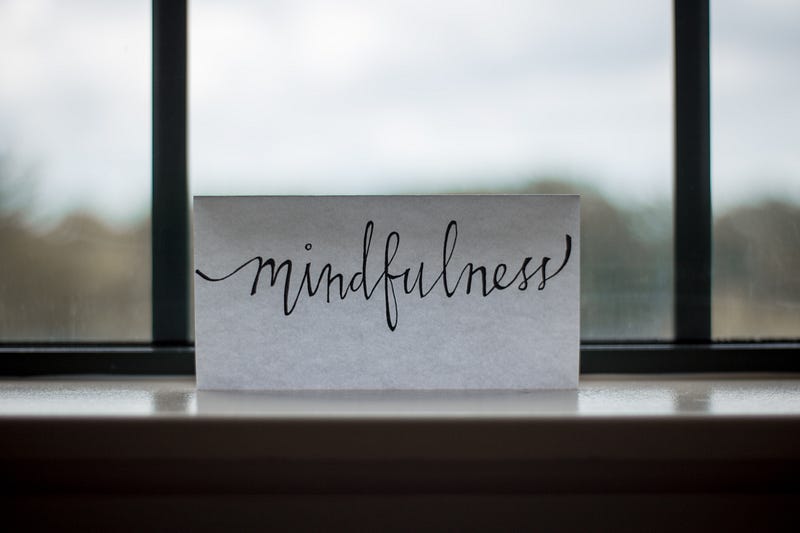
Benefits of Practicing Mindfulness
The practice of mindfulness has been shown to have a wide range of benefits for our mental and physical health. By cultivating greater awareness and acceptance of our experiences, we can develop a greater sense of emotional resilience and balance, helping us to cope more effectively with stress and other challenges.
One of the most well-documented benefits of mindfulness practice is its ability to reduce stress and anxiety. When we are constantly caught up in thoughts about the future or the past, it can be challenging to find peace and calm in the present moment. By practicing mindfulness, we learn to observe these thoughts without getting caught up in them, allowing us to experience greater calm and relaxation.
Similarly, mindfulness practice has been shown to be an effective tool for reducing symptoms of depression. By developing a greater sense of acceptance and compassion towards ourselves, we can break free from negative thought patterns and self-criticism, helping us to feel more positive and optimistic about the future.
Another benefit of mindfulness practice is its ability to improve sleep quality. When we are constantly worried or stressed, it can be challenging to relax and fall asleep at night. By practicing mindfulness, we learn to calm our minds and bodies, making it easier to fall asleep and stay asleep throughout the night.
In addition to its mental health benefits, mindfulness practice has also been shown to improve physical health. For example, studies have found that regular mindfulness practice can lower blood pressure, improve immune function, and reduce chronic pain.
Finally, mindfulness practice has been shown to enhance cognitive functioning, such as memory, attention, and decision-making. By developing greater awareness and focus, we can improve our ability to concentrate and make clear, rational decisions.
The benefits of mindfulness practice are numerous and wide-ranging, making it a valuable tool for anyone looking to improve their mental and physical health. By taking the time to cultivate mindfulness in our daily lives, we can experience greater peace, happiness, and well-being, both for ourselves and those around us.
How to Practice Mindfulness
If you’re interested in incorporating mindfulness into your daily routine, there are several techniques and practices that you can try. Here are a few examples:
- Seated Meditation: This is perhaps the most common form of mindfulness practice, involving sitting quietly and focusing your attention on your breath or other sensations in your body. To get started, find a quiet and comfortable space where you won’t be disturbed. Set a timer for 5–10 minutes, and simply focus on your breath, noticing the sensations of each inhale and exhale.
- Walking Meditation: If sitting still isn’t your thing, you might enjoy walking meditation instead. This involves walking slowly and mindfully, paying attention to the sensations of each step, the movement of your body, and the sights and sounds around you. This can be done indoors or outdoors, and can be a great way to practice mindfulness while getting some gentle exercise.
- Body Scans: This technique involves systematically scanning your body from head to toe, noticing any sensations or areas of tension or discomfort. As you scan each part of your body, try to simply observe the sensations without judgment or criticism. This can be a great way to cultivate greater awareness and acceptance of your physical experiences.
- Mindful Breathing Exercises: Another simple way to practice mindfulness is through mindful breathing exercises. This might involve counting your breaths, focusing on the sensations of your breath moving in and out of your body, or practicing deep breathing exercises to calm your body and mind.
Regardless of which technique you choose, it’s important to approach mindfulness practice with an open and curious mindset, and to be patient with yourself as you learn and grow. Remember, consistency is key, so try to incorporate mindfulness practice into your daily routine in whatever way works best for you. With time and practice, you may find that mindfulness becomes a valuable tool for improving your mental and physical health, and enhancing your overall well-being.
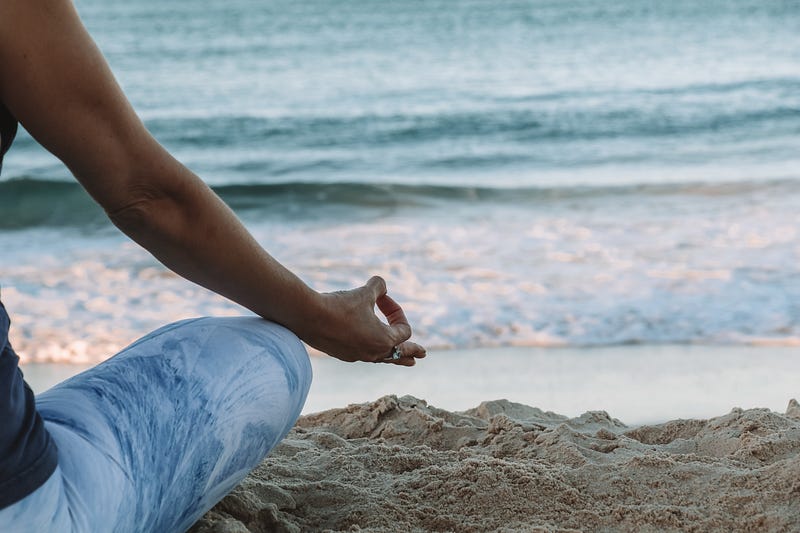
Mindfulness in Daily Life
In addition to formal meditation practice, mindfulness can be applied to everyday activities and experiences. Here are a few examples of how you can bring mindfulness into your daily life:
- Mindful Eating: One way to practice mindfulness during meals is to slow down and pay attention to the food you’re eating. Notice the colors, textures, and smells of your food, and take the time to savor each bite. By being present and fully engaged with your eating experience, you may find that you enjoy your food more and feel more satisfied with less.
- Mindful Walking: Instead of rushing from place to place, try slowing down and being more present while you walk. Notice the sensations of your feet on the ground, the movement of your body, and the environment around you. This can be a great way to reduce stress and anxiety, and to connect more deeply with your surroundings.
- Mindful Breathing: Even just taking a few deep, mindful breaths throughout the day can help to calm your mind and reduce stress. Try taking a few deep breaths before a meeting, when you’re feeling overwhelmed, or anytime you need a moment of relaxation and centering.
- Mindful Listening: During conversations with others, try to be fully present and engaged in the moment. Practice active listening by focusing your attention on the person speaking, without getting distracted by your own thoughts or agenda. This can help to improve communication and deepen your relationships with others.
By bringing a mindful awareness to these and other everyday activities, you can cultivate greater presence, clarity, and connection in your life. Remember, mindfulness is a skill that can be developed over time with practice and patience, so don’t worry if it feels challenging at first. With consistency and dedication, you may find that mindfulness becomes a natural and integrated part of your daily routine, helping to improve your overall sense of well-being and quality of life.
Conclusion
Mindfulness is a powerful tool for improving our mental and emotional well-being. By practicing mindfulness regularly, we can reduce stress, anxiety, and other mental health issues, improve cognitive functioning, and enhance our overall sense of well-being. Whether through formal meditation practice or incorporating mindfulness into our daily lives, there are many ways to cultivate mindfulness and reap its benefits. So why not give it a try? Your mind and body will thank you.