
Mindful Wellbeing: Why Should I Care? For Young People
Zenblog: A Guided Mindful Meditation Program from a Mindful Schools Facilitator
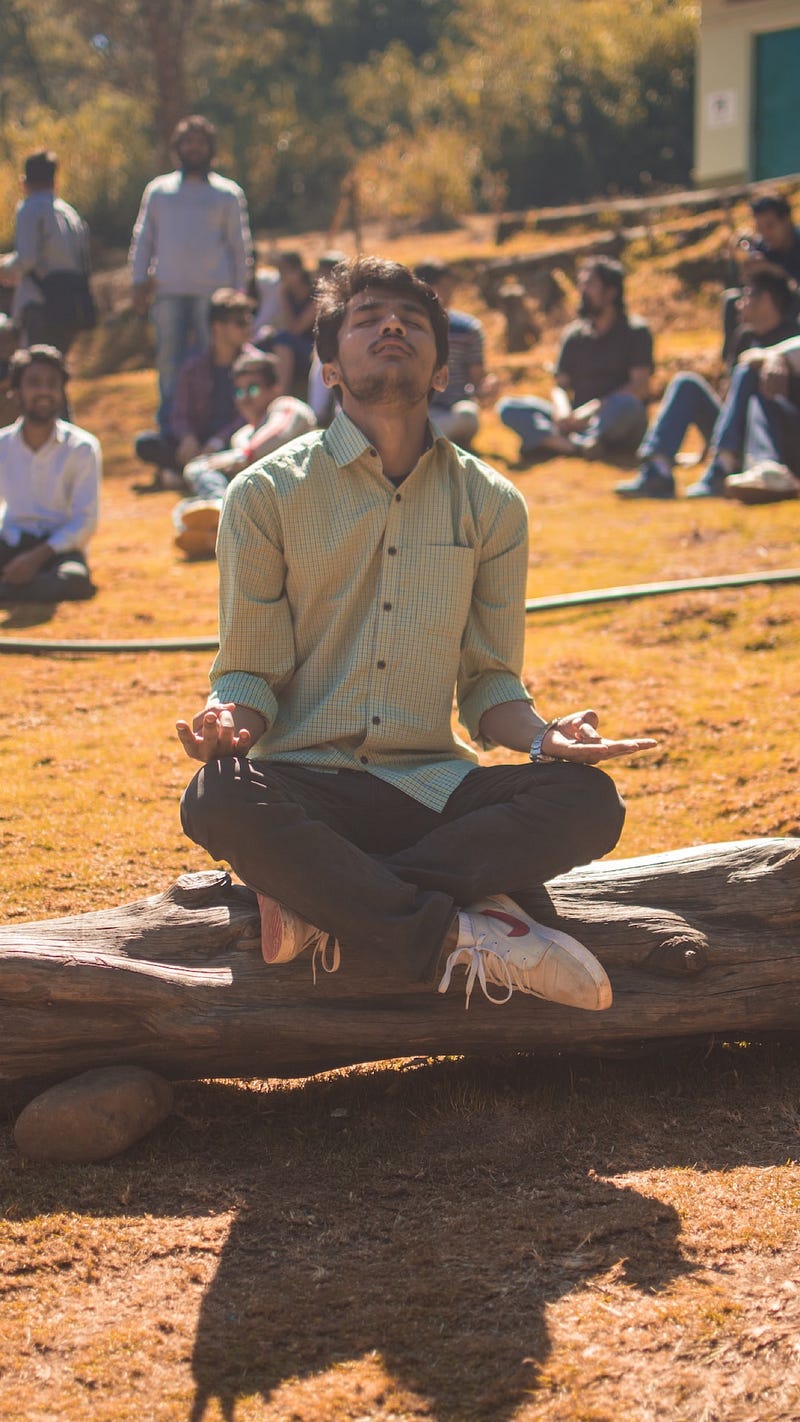
Today’s post is dedicated to young people – and those of us who do our best to guide and mentor them.
Introduction
Hello! Whether this is your first Mindful Wellbeing post or you’ve been following my series, welcome!
Thanks for taking a few minutes out of your busy life to devote some quality time to yourself.
By doing so, you are already making yourself and the world a better place!
Believe it or not, no-one — neither parents nor teachers — wants to see you stressed out and overwhelmed.
No-one benefits from your unhappiness!
Least of all you.
I see it every day in the school where I teach mindfulness.
Students and young people today, tomorrow, and yesterday have always faced, and will always face, what can feel like a maelstrom of academic pressure, social anxiety, confusing emotions, and the complexities of self-discovery.
“No-one knows what it’s like to be you,” I hear you think.
Fair enough. You’re right. And yet…
Although it may feel like it at times, you are not alone. While others may not know exactly how you feel, not shared completely the same experiences, we do as a species share some similarities in the process of what we variously call growing up, coming of age, “getting it together.”
The good news is, this shared history, this common experience of humanity, has taught us some strategies to help us avoid the worst ravages of adolescence.
One of these strategies is the millennia-old practice of mindfulness.
Mindfulness, the practice of focusing one’s attention on the present moment without judgment, grants you agency to cultivate a deeper understanding of yourself and your environment.
By developing non-reactive awareness, the kind that lets you see what’s going on around you without taking it personally, mindfulness allows you to step back from the incessant chatter of thoughts and emotions, and enables you to respond to situations with greater clarity and composure.
Here are some of the other benefits of mindfulness especially relevant to you, my Padawan (apprentice Jedi Knight, in Star Wars. Do young people today know Star Wars? Do you still watch movies? Just kidding :-)
Enhanced Emotion Regulation
You may have head the time “emotional intelligence.” One of the hardest skills for many of us to learn is how to handle those times when our feelings threaten to overwhelm us. When we are overwhelmed by feelings, positive or negative, we stop responding critically and start to react emotionally.
Mindfulness provides a powerful tool to help us regulate our relationship to thoughts and feelings.
By developing your powers of self observation, you can reduce impulses and outbursts which so often cause us trouble.
Improved Focus and Concentration
Staying focused has always been a challenge for young people. It was true when I was your age, and it’s even more true now that you are your age :-)
Because mindfulness trains us to pay attention to the present moment, you can ignore distractions better and focus more on your studies or whatever else you are engaged in.
Your academics will improve, as will other areas of your life such as music, sports, and other personal passions.
Reduced Stress and Anxiety
Life is stressful. This is true at any age, but when we’re younger we are having many experiences for the first time, which tends to enhance our experience of these stressors.
Mindfulness can help. As we develop more self-awareness through mindfulness, we learn to manage our anxiety and the effects it has on our mental and physical wellbeing.
Enhanced Self-Awareness and Self-Acceptance
Adolescence is a period of self-discovery, my Padawan. As part of that learning process, we discover our self-doubts and insecurities.
Mindfulness is a key discipline to develop a deeper sense of self-awareness and the wisdom to be kind you yourself when you can’t always live up to expectations from yourself and from others.
Such wisdom helps you recognize your true identity and develop the resilience to be your best self even when you are pressured to be otherwise.
Improved Relationships
As you already know from reading fiction in and out of literature class, empathy is a key ingredient in understanding and relating to yourself and others. Empathy just plain makes us better humans :-)
Like reading literature, mindfulness helps us see and relate to the emotions of ourselves and others.
Seeing yourself and others as they really are empowers you to develop greater compassion and understanding, leading to stronger connections with peers, family members, and teachers.
And that, my Padawan, is the greatest gift of mindfulness.
May The Force be with you (do young people still talk about “The Force?” :-)
Examples of Mindfulness Practices
In previous posts I have provided various examples of formal and informal mindfulness practices.
Here I will give you some introductory activities that you can use to get a taste, so to speak, of what mindfulness is like, and which practices work best for you.
- Mindful Breathing: Focus on your breath entering and leaving your body. If it helps, you can try counting your breaths. When you realize that you have started to think of something else, don’t judge yourself. Just bring your thoughts back to your breath. This simple practice can effectively calm the mind and reduce stress.
- Body Scan Meditation (BSM): BSM is best done following an audio guide of the sort you can find on a podcast, Youtube, or audiobook. In this practice, use your mind to scan your body from head to toe, observing any physical sensations or tensions without judgment. This practice promotes body awareness and relaxation.
- Mindful Listening: This one is a great excuse to listen to your favourite music! Give your full attention to the lyrics or a particular instrument. Alternatively, without judgment absorb the sounds in your environment (yes, that includes parents, teachers, and siblings :-) When speaking with others, listen fully to what they are saying before replying. Ask yourself: What is the purpose of this discussion? Does the other person want to know what I really think? Do they need my help to fix a problem? Or would they really just prefer a hug?
- Gratitude Journal: At the end of the day, write an entry in a journal, in which you reflect on things you are grateful for. In this way, no matter how tough the day, you can go to bed with positive thoughts a-dancing in your head :-)
Conclusion
At any age, life can seem like a crazy mess of thoughts and emotions. This is particularly true when we are adolescents, and our lives are full of new experiences even as our minds and bodies are going through profound changes which both help and hinder us from dealing with all the chaos.
Personally, I find it helpful to think of life as a grand adventure, with adolescence as just another island stop on our lifelong journey.
In any case, even the most seaworthy sailor, like the greatest Jedi Knight, needs some shore leave every once in awhile before continuing their circumnavigation.
Mindfulness can provide us – at any age – with a chance to take a break from the storms and challenges of this magnificent life and re-gain our sense of equilibrium before once again setting out to sea for the next adventure.
What are you waiting for?