Mind Games: The Psychology Behind Notification Obsession
FOMO, Validation, and the Pull of the Red and Green Dots
Hi there! Today, I want to share something that I’ve noticed not only once but now happening again with this platform. I joined Medium almost a week ago, and I’m so hooked here, but what changed happened to me?
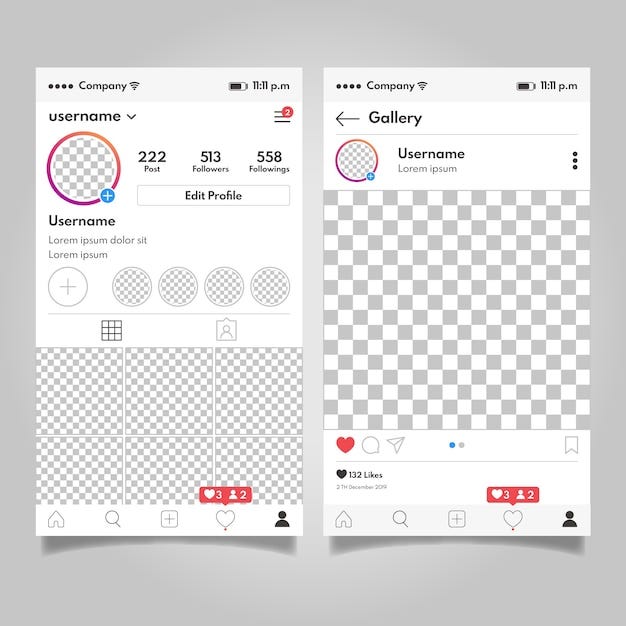
Whenever I open Medium, my eyes are just on the bell icon, which is the notification. I just wait to see that green dot on my notification. And it’s not the first time it’s happened; it always happens to me, from Instagram to Snapchat, where I always have my eyes on red dots. In fact, sometimes it takes time to load because of poor net signals, but then I have this excitement for any new notification that I just wait to reload. Does that happen to you too?
So, I checked if it happens with me only or if it happens with other people. After reading articles and papers, I got to know that it happens with the majority who use social media. Let’s see what actually happens with us.

It actually works as a reward that our brain gives us, Our brain has this reward system which somehow works an increase in dopamine. When you get a notification, your brain goes, “Hey, you did something good!” It’s like your brain giving you a thumbs up.
That red dot on your screen is like a magician. It makes your brain release dopamine, and you feel good, like when you get a high score in a game. It’s why you keep checking for it — you want more of that good feeling.
Scientists have studied this. They found that these notification dots can be addictive because of dopamine. They even did brain scans to show how our brains light up when we see those little red numbers.
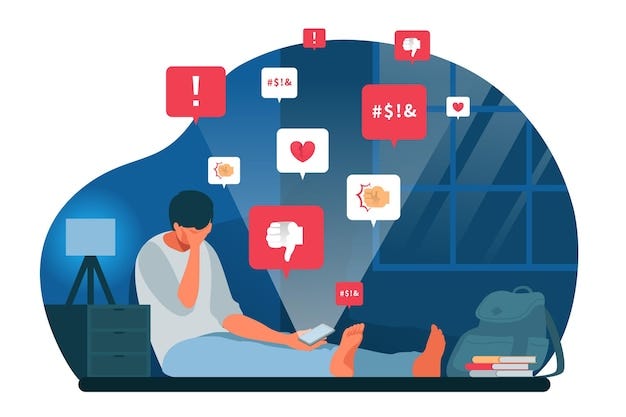
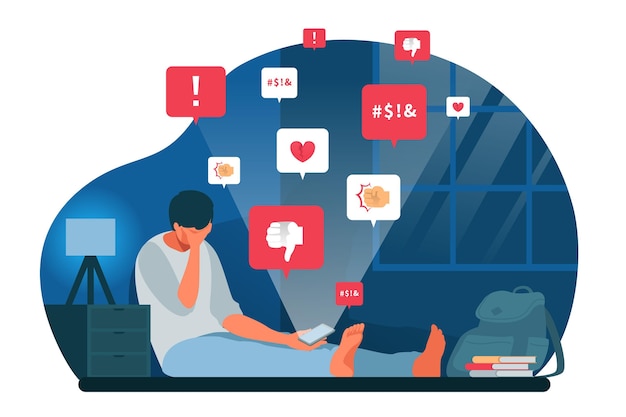
Secondly, there’s something called FOMO, which stands for the Fear of Missing Out. It’s like a little monster that many people experience. It’s when you’re worried that you might miss something cool or important happening online, so you keep checking to make sure you don’t miss it.
Remember when you skipped school, and it felt like all the exciting stuff happened precisely on that day? You’d say, “Oops, I missed it!” Well, this used to occur to me a lot. Oddly, it had a good outcome: I started skipping fewer classes because I was afraid of missing something important. It’s like being at a party and always worrying you’ll miss the fun part. While it might sound funny, in today’s social media-driven world, it’s a significant concern. FOMO can make you feel anxious.
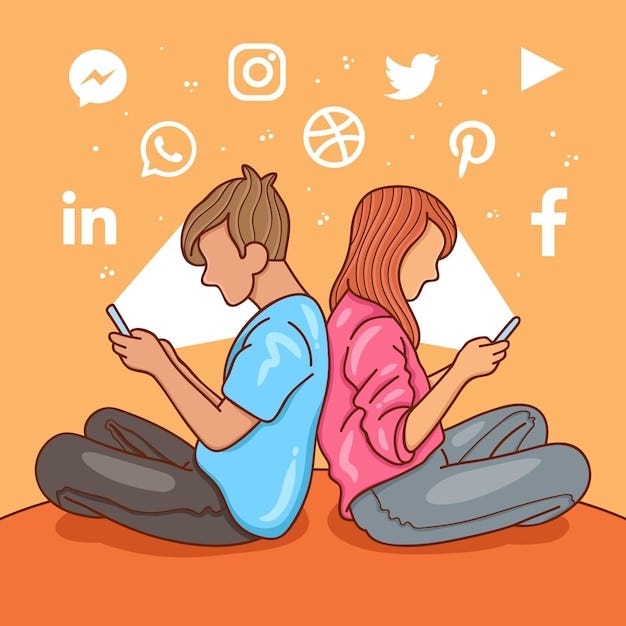
Additionally, social validation plays a role in this dynamic. We all appreciate when others acknowledge our achievements or actions with positive feedback. This form of social validation provides a sense of belonging and elicits positive feelings. However, it can also contribute to prolonged online engagement as we seek more validation.
Question to Think About: Do you ever find yourself staying online even when you didn’t really want to, just because that green dot was there? How did it make you feel?
It’s not just you; it’s something that many of us experience. It’s the way our brains are wired, always seeking that next reward.
But remember, it’s essential to find a balance and not let these dots control our online lives. After all, we’re in charge, not the dots!
PS- I’m trying to improve, and so can you!
Thanks for reading!
Feel free to share your thoughts in the comments section, and remember to subscribe for more content delivered directly to your inbox in the future.