
Millennials are now killing work? The artificial origin of “quiet quitting”
And how it became viral

You can’t escape it. That article on quiet quitting. Everywhere you look, it’s there. Your newsletters, social media, TV and news sites. Always with a different title but the same content.
Tell me if you saw this before
- Quiet quitting is when you don’t do work you are not paid for (sometimes called going above and beyond).
- Why are people doing it? (pandemic burnout like 90% of the cases)
- It started from TikTok.
- Here are a few made-up stories about people who quiet quit.
- This is why it’s bad to quiet quit (missing opportunities, purpose in life, career progression etc.)
How did I do?
The last point there is crucial and it is what makes the whole thing work. I’ll explain why shortly.
A goal in writing and performance, in general, is to end on a high. To have that mic-drop moment where you actually make your point. That’s why rap songs generally have the best parts towards the end. I believe it’s called “the clean-up”.
These articles leave us with the same aftertaste. Just another bite from the same bag of M&Ms.
You should think twice before doing it. It’s not good for you, we are just trying to help. Everyone loses when you don’t do free work.
I’ll stop now. You get the point.
Trends and TikTok seem to be going hand in hand. Every week a new one.
Or that is what you are forced to think.
I know I sound like I have my tinfoil hat on but hear me out. It’s not what you think.
There is a whole niche dedicated to telling people about the latest trend on the platform. If you search anything remotely close to “TikTok” and “trend” you can’t escape the “The best X trends you NEED to do NOW — Updated 10 seconds ago!!” (so you know they are fresh and steaming). It gets clicks. It gets engagement. It also gets stale.
By the 5th page, you start to see the same thing, as the articles seem to feed from each other, some almost a copy-paste job.
At some point, you have an unpaid intern or underpaid journalist from major news organisations tasked to find out what these kids are up to. My argument is that this is when these trends start.
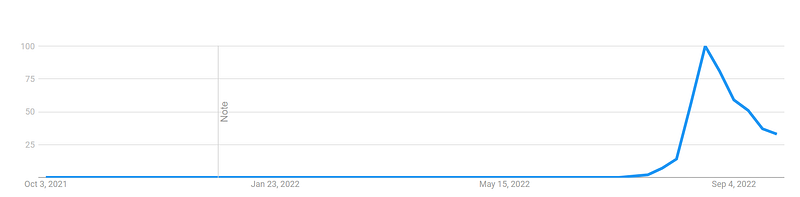
The Google Trends graph below for the term “quiet quitting” tells the story better. The meteoric rise was followed by a steep drop. It looks more like a reporting trend to me.
The Y axis in the graph below displays the term popularity according to Google, where 100 means peak popularity.
Why choose quiet quitting?
What sells in the news today? If you are thinking negative news, you are right.
I’ll link a great article by the London School of Economics that explains this much better than me. I recommend you have a read but in short, you get mad, you tend to engage more, the website gets more $$.

When looking through the “trends of the day”, your average journalist is more attracted by anything that sounds remotely negative. If it checks the box of “young people are lazy and or stupid” — jackpot.
And this is the key to my earlier statement.
There is a reason for all those “Millennials are killing […]” articles. It creates engagement. Younger audience read them grinding their teeth. Older audience smile and send it to their children to annoy them.
Quiet quitting is just another article bashing the young, without the in-your-face title. Using a trait that defines in this context a section of the population, you address them without naming them directly.
I don’t believe the whole thing is a corporate conspiracy as a resort reaction to the pandemic, but the simple result of online media marketing.
As to my opinion to quiet quitting? I see it as straight-up doing your job and nothing else and should be the standard.
If you would like to read more than five quality articles a day, subscribe to Medium Premium using the link below. It will not only support me but my fellow writers as well.
https://medium.com/@george_atkins/membership


