
Is Milan Underrated? The Answer Is Yes, And Here’s Why
A local’s perspective beyond clichés and hasty conclusions
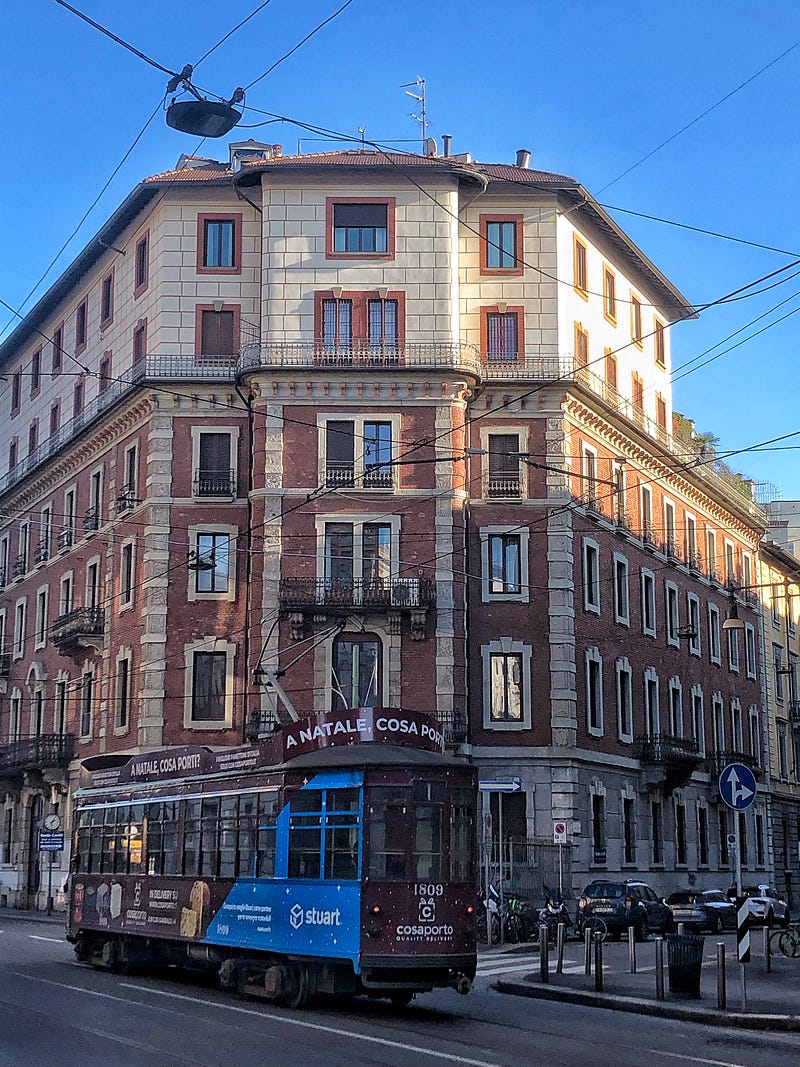
A traditional tram in Milan, most of them are over 100 years old!
I had planned a different topic for today, but the day’s events proved enlightening for another, and I wanted to seize the moment. “Carpe diem” they say, after all.
To run some bureaucratic errands, I traveled to Milan, the second largest city in Italy after Rome, but undoubtedly the economic capital and beating heart of the Italian economy. Having grown up in a small town in the vicinity of Como (yes, the Lake one), Milan has always been the reference point for a number of reasons, and throughout my entire childhood it has always represented what “a major city should be.” Then again, from my small town, I could reach it in only 40 minutes by train.
Having lived in cities like Santiago de Chile, Hanoi, and Melbourne; and having visited Buenos Aires, Bangkok, and London, I find it now funny how I had no idea what an actual megacity was. Milan is undoubtedly a large city by the standards of Italy, a country consisting of many medium-sized cities, but lacking a megacity that exceeds 10 million inhabitants like almost all the ones I have listed.
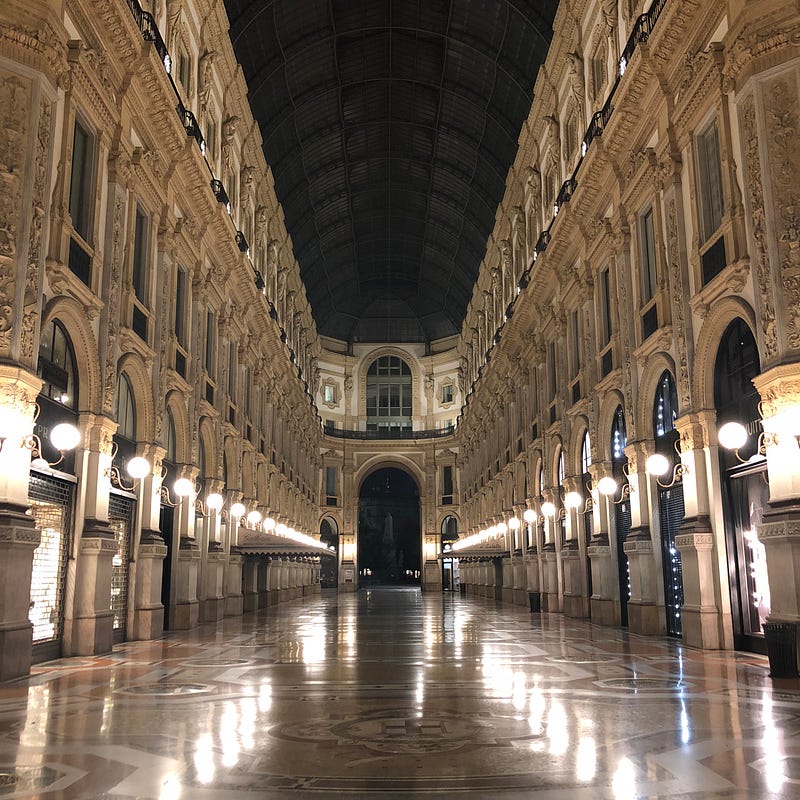
The Galleria Vittorio Emanuele, the first shopping mall in Europe.
Among these numerous medium-sized cities scattered across the peninsula are the iconic Florence, Venice, Verona, Bologna, Genoa, Palermo, and Bari. Most of them are known for a considerable amount of architectural and artistic beauty, which has enhanced their reputation as quite desirable destinations even internationally.
Milan, on the strength of its status as the capital of fashion, industry, and finance, undoubtedly attracts to itself many streams of visitors for both tourism and business. In short: it is far from unknown.
Why do I think it is underrated then?
Because throughout my life I have always heard mixed opinions about the city, which certainly does not leave one indifferent but polarizes people’s taste: they either love it or hate it. While I have always understood what the reasons were for loving it, I have always felt a certain irritation and perplexity in the face of the sharp and negative opinions that dozens of people, Italian or foreign, reserved for Milan.
I cannot deny that Florence or Venice, iconic examples among many, may come closest to the generalized idea of “a beautiful and picturesque city,” but that is not to denigrate more modern-looking and stylistically uneven cities. I have always thought that Milan was much criticized for being located in the same country as so many cities of art, the victim of constant and suffocating comparison. But what is the point?
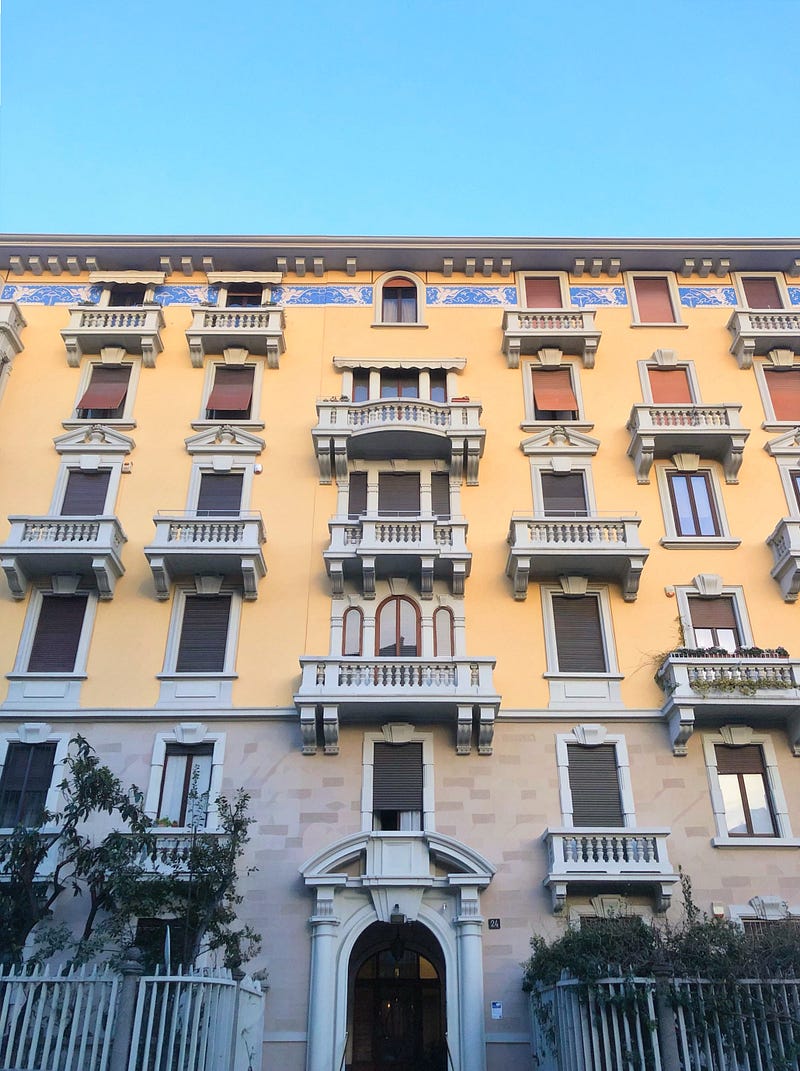
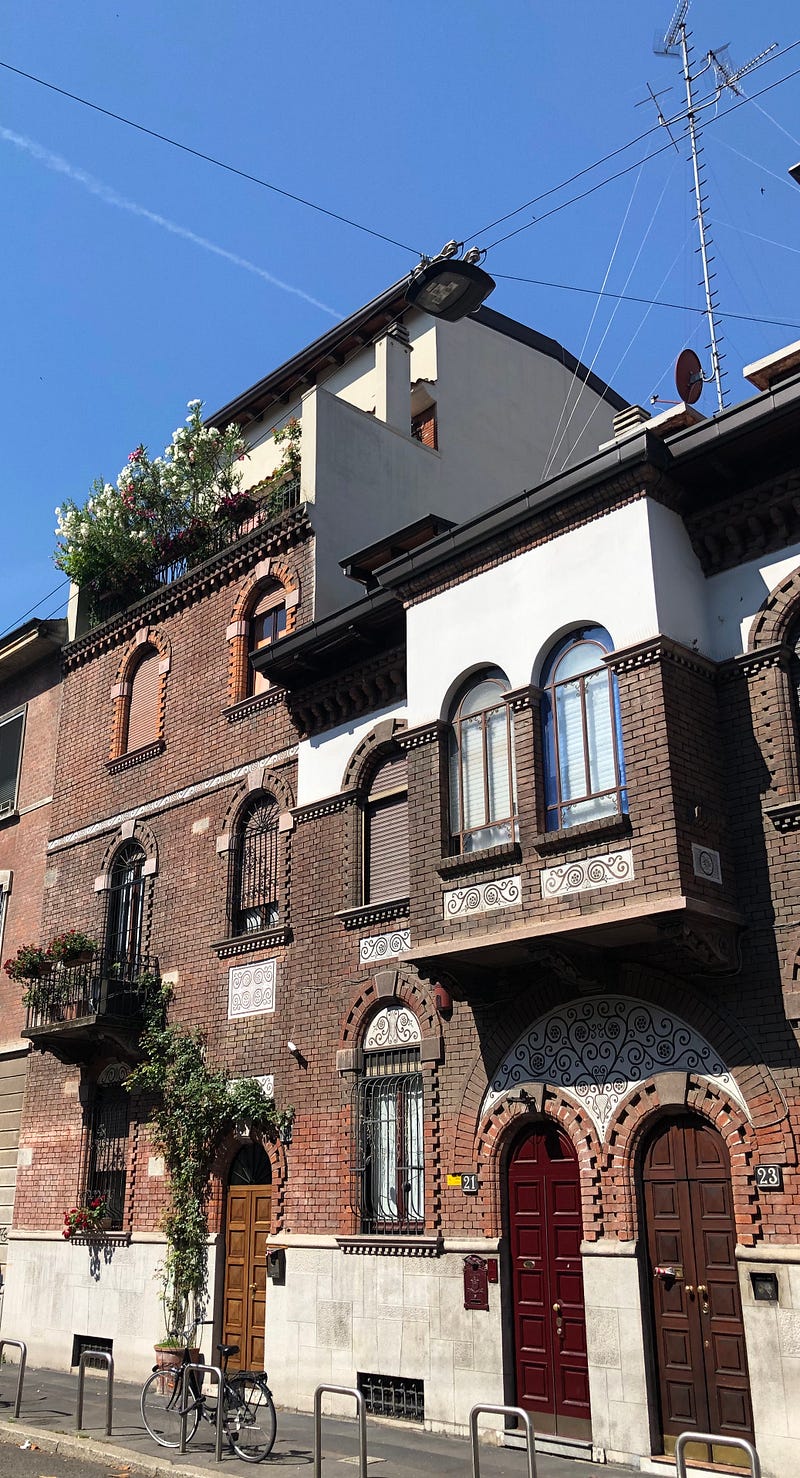
Taken today during my walk. It is “just” one of the many residential buildings in the area.
Today I ventured into neighborhoods I had never visited before, with finely decorated period buildings, rows of trees, and climbing plants gracing the walls. The golden hour made everything look even more beautiful and inspiring. That being said, I would like to list some features that I greatly appreciate about Milan and that might help you get an idea:
- It’s eclectic
Unlike other cities, known for distinct architectural styles, (again Venice and Florence, which lend themselves greatly as examples), Milan is characterized by a multiplicity of styles, mainly for two reasons. First, its location in the north of the peninsula, a stone’s throw from the Alps and closer to the Central European reality, allowed the city to receive numerous foreign influences, in every respect. Clearly, this was also reflected in the architecture and urban layout, which was far from uniform.
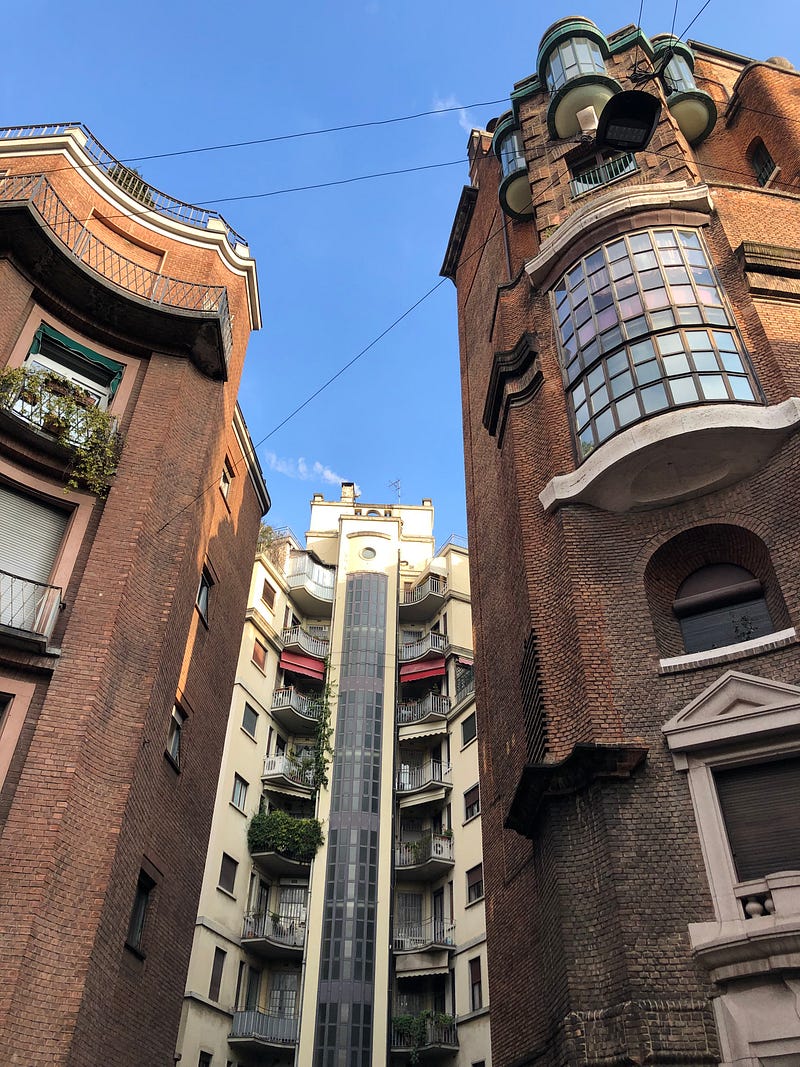
In addition to this, Milan was sadly among the most bombed and semi-destroyed cities during World War II, and as a consequence, the protagonist of numerous post-war reconstructions that gave it a decidedly more modern appearance than the rest of the country. This may be the reason why many people do not like it because they cannot grasp its identity. As far as I am concerned, this plural identity is precisely something that makes it more interesting and fascinating.
2. It is multi-ethnic
Italy is a country that for the past few decades has been affected by increasing immigration, from other European countries, Asia, Africa or South America, in line with other European countries. To varying degrees, this has been a phenomenon in all areas of the country, but it is in Milan that this has taken on more obvious manifestations. Several areas of the city have become ethnic neighborhoods, where many residents belonging to the same ethnic group are concentrated.
A large number of Eritreans and Ethiopians live in Porta Venezia, the neighborhoods north of the city are home to many Peruvians, Ecuadorians, and Colombians, and it is in Milan that Italy’s trendiest and most iconic Chinatown is present. Egyptians, Romanians and Filipinos are the three main foreign nationalities living in Milan.
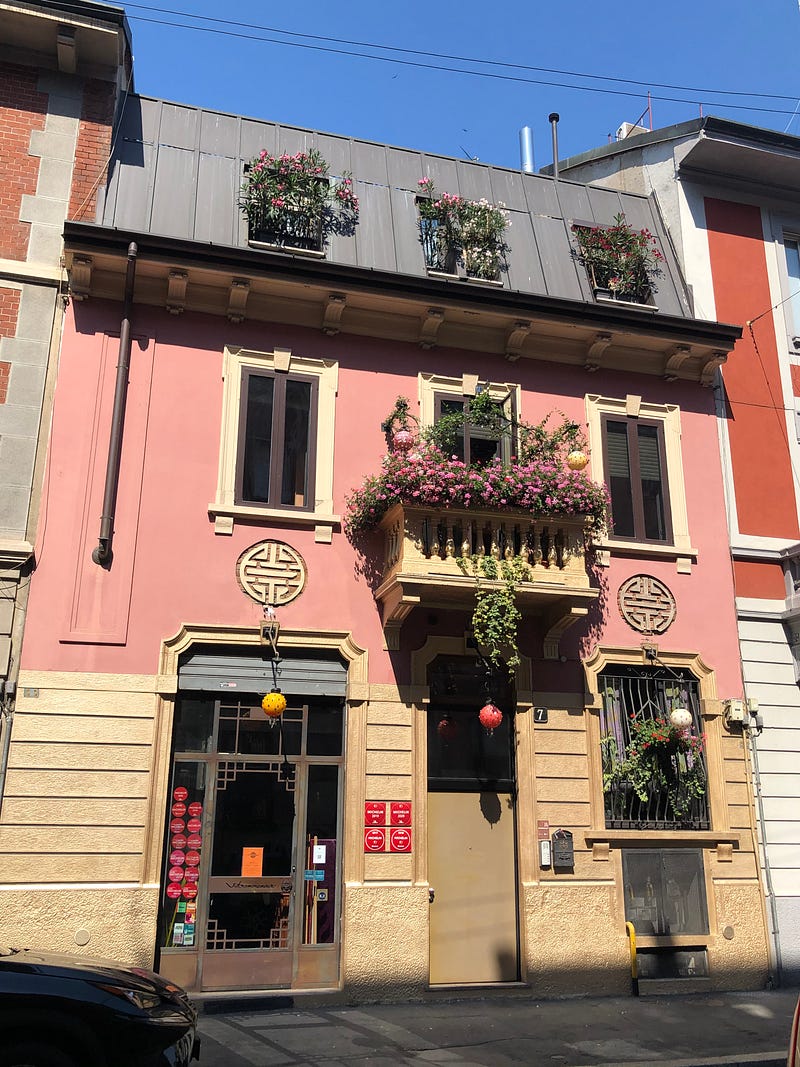
A Vietnamese restaurant in Milan.
This multiculturalism appears to many to be the reason why Milan “is not a very Italian city,” to which I would reply, “what if it is precisely the city that would best represent an open and welcoming Italy, where different peoples can coexist peacefully?”.
Since when does one city have to renounce its own identity just because it modernized and globalized?
3. It is modern and cutting-edge
Milan’s welcome is not limited to (new) foreign-born citizens: for decades, thousands of Italians from other regions have moved to the booming metropolis because of the many job opportunities the city offers compared to others. In fact, Milan is, as already anticipated, the economic capital and the most modern city in the country.
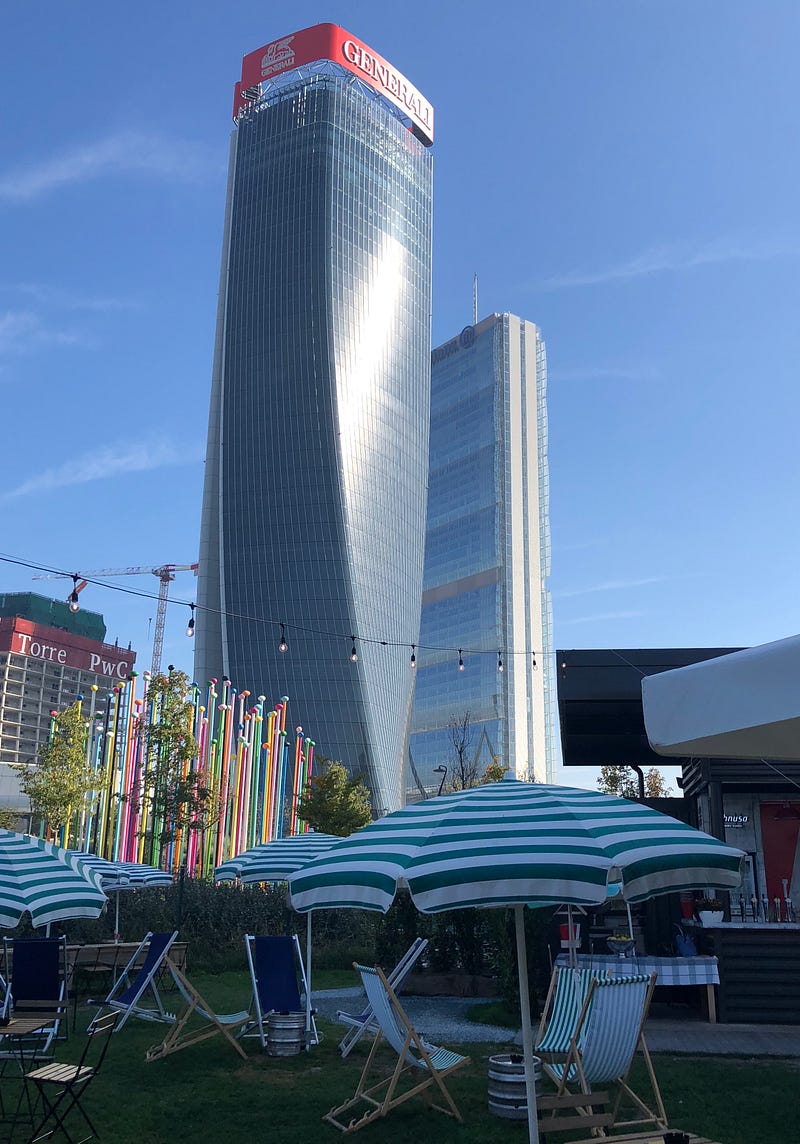
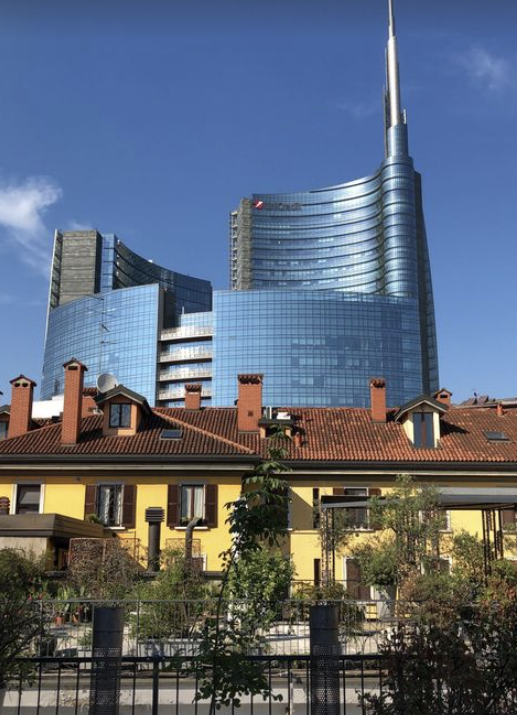
From its industrial past, but not only, but it has also now switched to a future devoted to innovation, and it seems that everything new that comes to Italy, passes through Milan first, whether it is large international chain stores, starred restaurants, or new trends in any field. This process also affected the way the city looks: it has the most impressive skyline in the country, where the churches’ domes appear juxtaposed with brand-new shiny skyscrapers.
4. It’s the capital of hidden gems
I think a stroll through Milan’s historic center can bring everyone together: it is objectively an area full of beautiful buildings and piazzas, and monuments such as the Duomo, the Galleria Vittorio Emanuele, or the Sforza Castle certainly do not leave one indifferent. It may, however, lack the monumentality of Rome or Paris, but then again, we are not even talking about a nation’s capital.
Although, and this many do not know, Milan was the capital of the Western Roman Empire for years (sounds relevant, right?). Having lived there and having explored it far and wide, I have had the opportunity to get to know its most hidden corners, and I have come to the conclusion that it is a shy, reserved city that shows itself in its essence only to the most skilled observers.
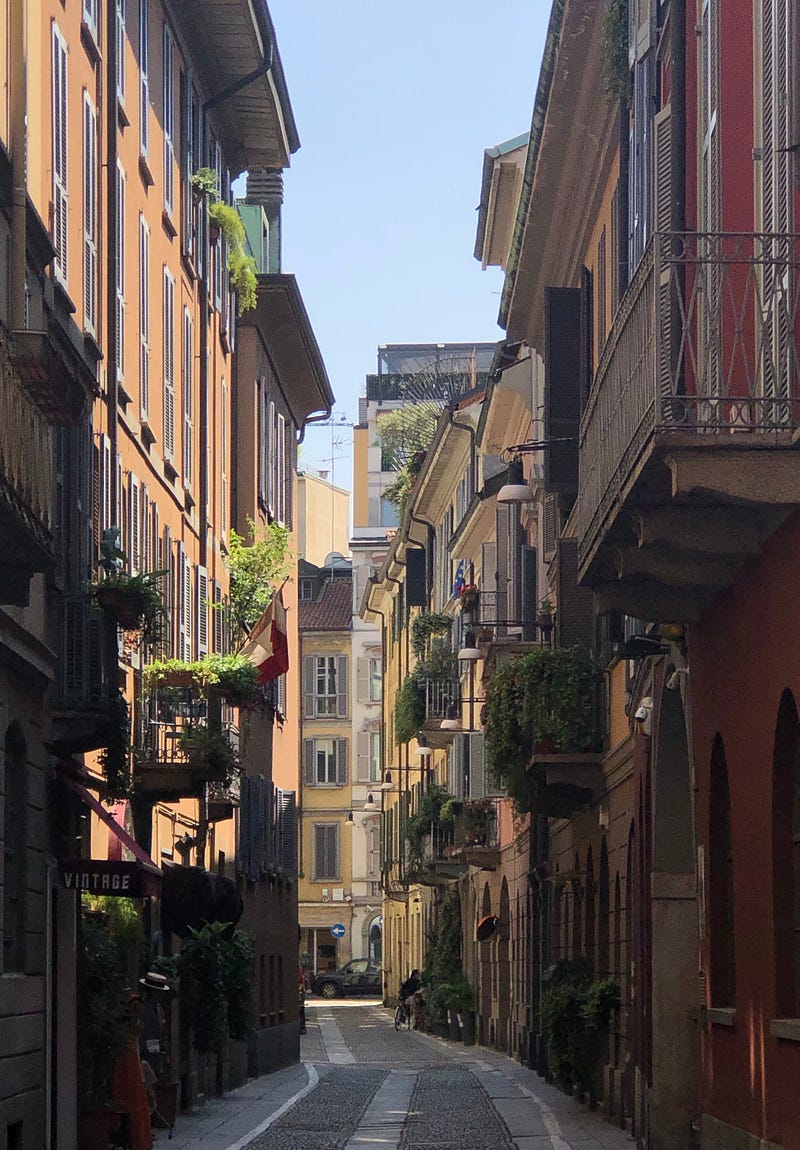
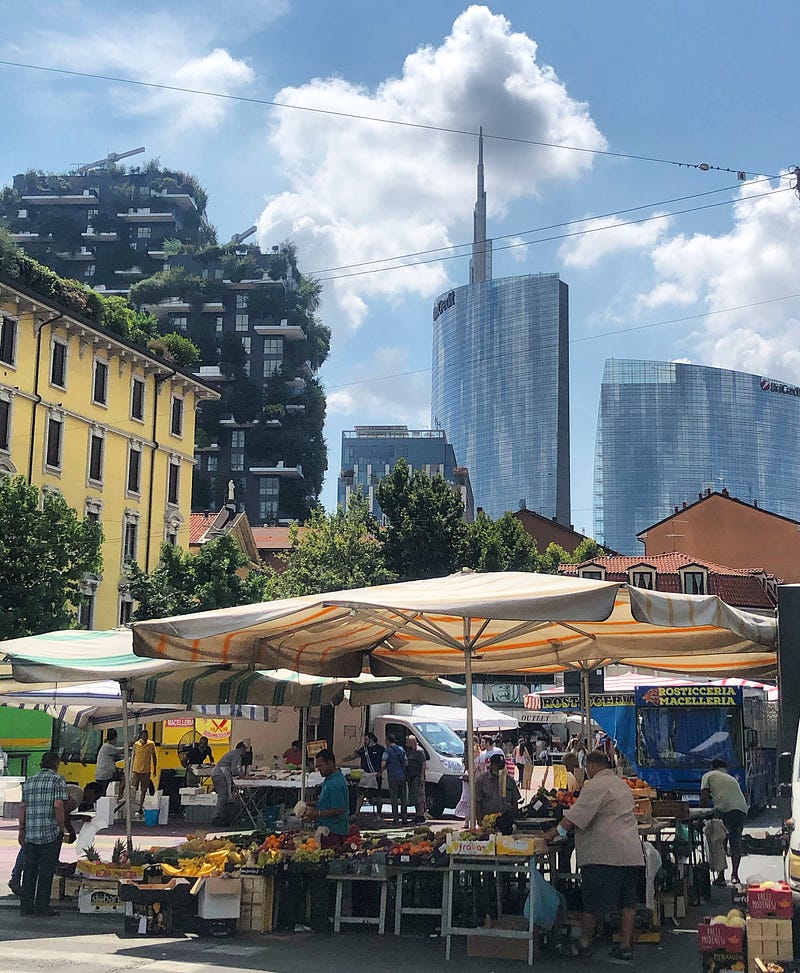
The beauties in Milan abound, but some of the most special ones are enclosed behind the huge gates of the palaces, which hide inner courtyards adorned with statues and frescoes, fountains, and sophisticated plants. And this is only speaking of the buildings of the aristocracy, but the beauty of this city also expands to the more traditionally popular levels: the “railing houses” (case di ringhiera). Very often, a building that from the outside does not look particularly charming hides inside a multi-story courtyard, which is skillfully renovated, bringing back the old charm of the city. I don’t know about you, but the fact that Milan’s beauty is not so obvious makes me appreciate it all the more.
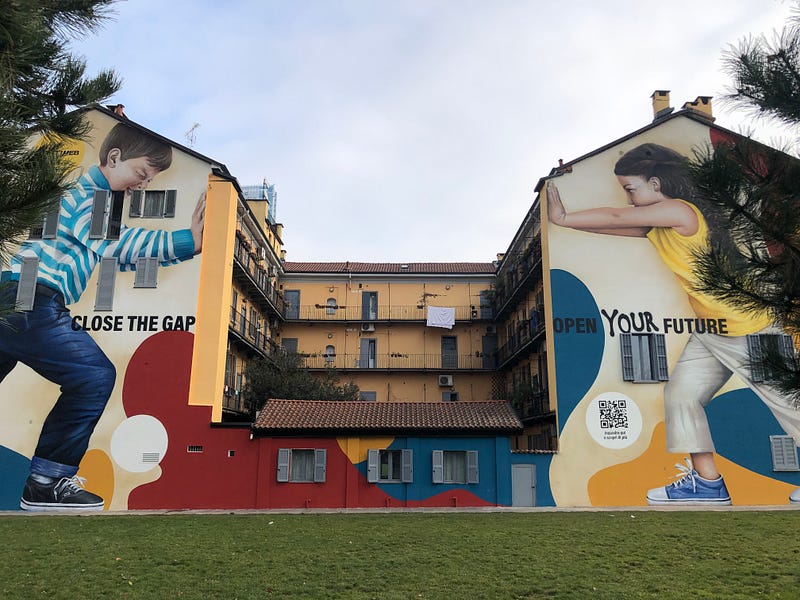
A traditional “casa di ringhiera”, right in the middle of Milan’s new Central Business District.
5. It is well-connected
Due to its geographical location and economic importance, Milan is closely and efficiently connected with the rest of the country, by means of a large number of rail lines, normal or high-speed, but also with the rest of Europe and the world, thanks to its three airports. Two of them, Malpensa and Orio al Serio, have already received several awards and are often among the best in Europe.
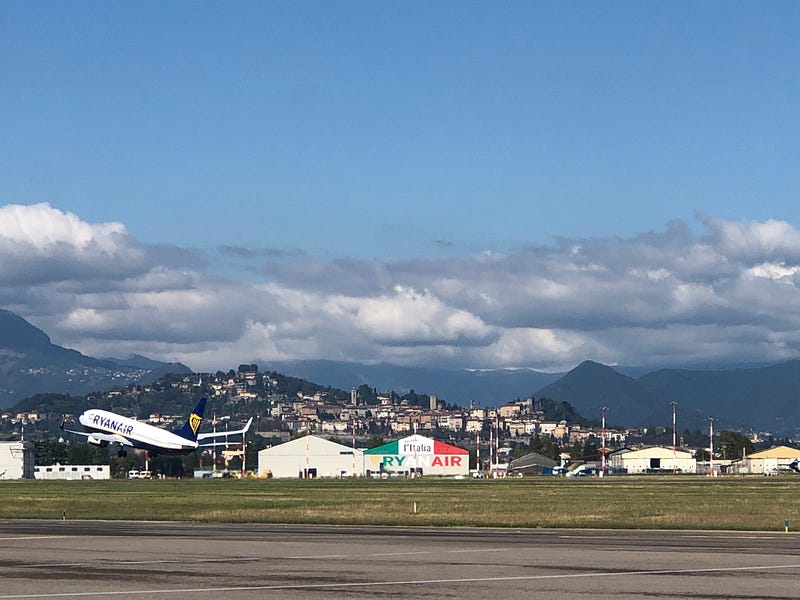
Orio al Serio Airport, in Bergamo, not far from Milano.
Since Italy’s borders are all in the north, at the Alpine mountain range, it is quite easy to reach neighboring countries within a few hours’ drive. In an hour you can be in Switzerland, in about three hours, you can reach France, and in 4–5 hours you can trespass into Austria or Slovenia.
In addition, despite being a city without any particular natural attractions, in a very short time, you can reach the Alps and some of the most beautiful lakes in Europe (Como, Garda, Maggiore or Iseo); art cities such as Venice, Turin, Bergamo or Bologna; and why not, even the wonderful Cinque Terre on the Ligurian coast. Not bad at all, right?
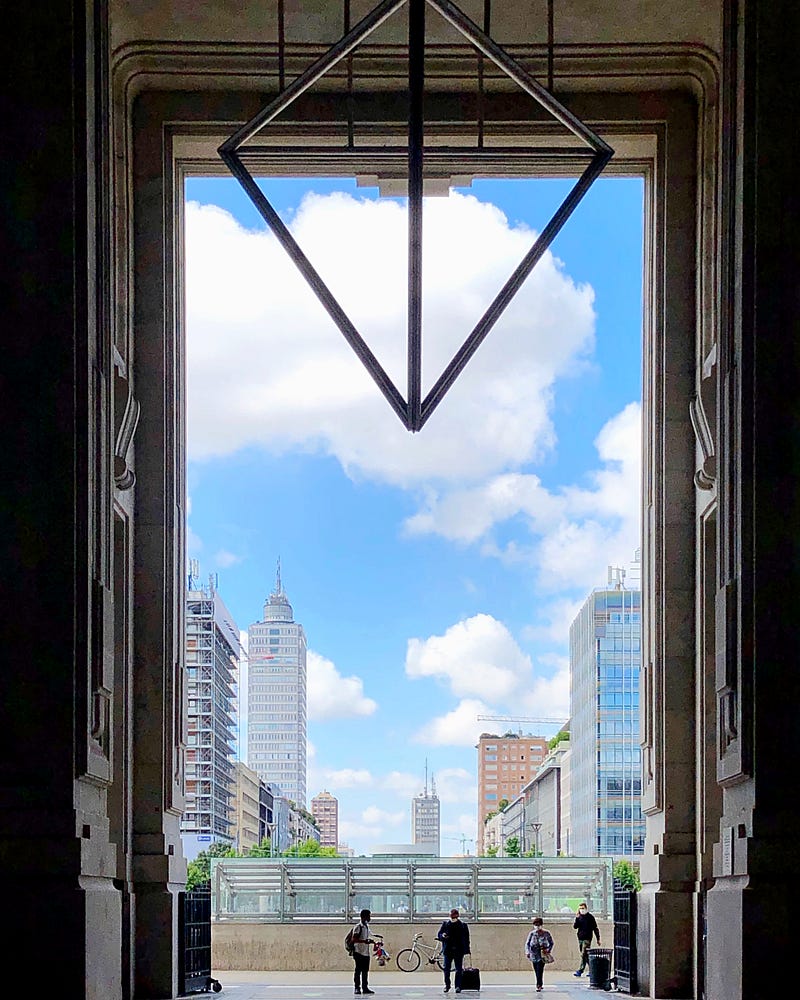
Milan’s Central Station.
None of this is to say that there are no issues or points against Milan, but the focus of the article was on what reasons I think the city deserves so much more. I have always had a sense of protection toward Milano because I feel that I know it inside out, and when that happens it is hard to sit through hasty opinions that are the result of prejudice. I strongly recommend that you give it a chance!
Have you been to Milan before? What is your opinion about it? Is there a city for which you feel the same as I do for Milan? Let me know in the comments, and as always, thanks for reading me!
If you appreciate my stories and feel like “buying me a beer” or a pizza (without pineapple, I’m Italian), you can do so at the following link: Nicholas Colombo is writing about cities, their stories, their hidden gems (buymeacoffee.com)
Thank you!


