
Migratory Birds Who Came to Visit Me
This year they came in abundance and I hope they will visit us again.
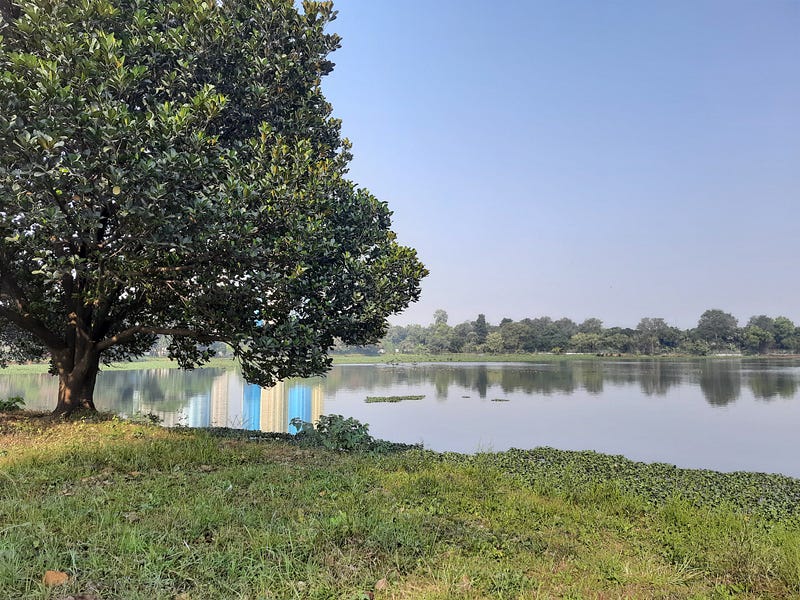
This place is just two minutes away from my home. I’m sitting on a bench in front of a small lake surrounded by lush green. Tranquil water, peaceful breeze, and soft sunrays are around me. I spend my alone time here, see birds, listen to the music of the wind and feel connected to nature.
Surprisingly, this year it has become a hub of migratory birds.
I love birds — well, not because they can fly. But from my observation, I have seen that their life is full of struggle too — just like humans. They do strive to survive, find a home, breed, and raise their offspring.
I’ve spent countless hours watching their activities. I still do so. And I know that only the ability to fly doesn’t guarantee anyone freedom and happiness. Because no living being can escape from their struggle. Think about these migratory birds that I’m seeing right now.
After flying thousands of kilometers, dissecting harsh, cold wind, they come here — only to avoid the heart-wrenching cold of Siberia, Mongolia, and the Tibetan plateau and to enjoy the warm temperature.
But do they get what they were searching for in my country?
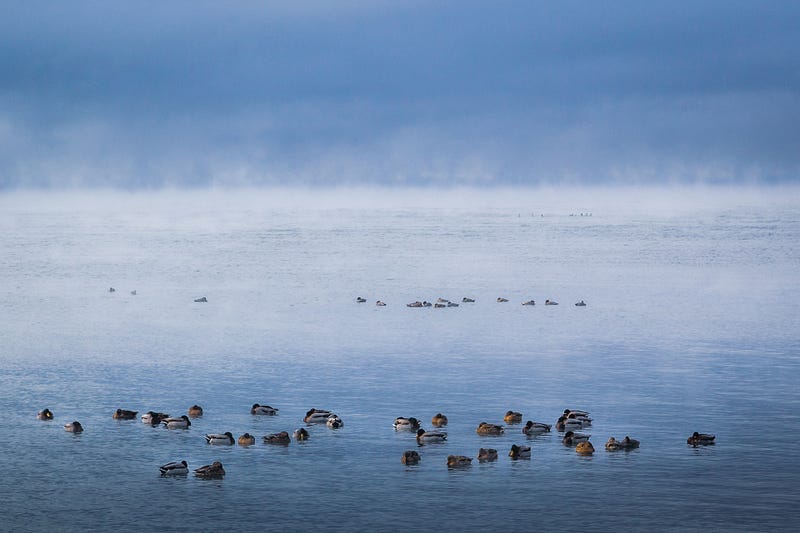
Every winter, my country Bangladesh hosts more than 250 species of migratory birds in its vast wetlands (around 6.8 million acres). The birds come in abundance to enjoy our winter season (which is far less cold than the places they come from), feed on the fish found here, and give birth to the next generation.
Generally, they come in October, and after staying for around six months, they start to leave our country at the beginning of March. Many of these migratory birds are rare, and some are critically endangered as well. But sadly, a lot of them get caught by some cruel human beings in different places all across the country.
Despite the laws and government initiatives, some greedy humans shoot them and then either eat them or sell them to others in secret.
The common migratory birds seen here are Ruddy shelduck, Tufted duck, Asian openbill stork, Red-crested pochard, Mallard, Egrets, Herons, Little grebe, White-winged wood duck, Pelican, etc.
Though most birds settle in the wetlands of the northeastern part of Bangladesh, a good quantity stay in the ponds or small lakes in the chaotic capital city, Dhaka (the very city where I have been living for the last six years), and the nearby areas.
And every morning when I wake up, the first sound I hear is the sound these migratory birds make. It’s so refreshing to start a day, hearing the conversations of these magnificent birds flying above in the sky.
They come from unknown places in the flock and then wonderfully land on the lake-water. They float from one side to another, eat the fish, and then circle the lake with joy and happiness.
Unlike other places, this lake is in the restricted cantonment area. So nobody touches them here. They can stay here uninterrupted for as long as they wish.
I hope these birds will come again in the next year in abundance, play in the lake-water, and forgive those cruel humans who hunt their relatives elsewhere out of greed.
Thank you for reading.
You can also share your love and concerns for this lovely planet. Just click the below image and be a writer for The Environment
