
Midjourney Prompt: Do you use collective nouns?
Exploring the use cases of collective nouns
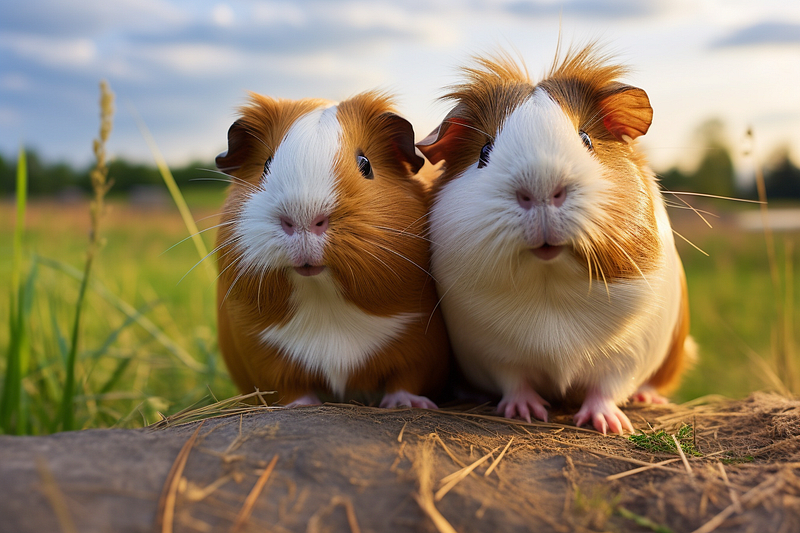
In Midjourney, we rarely hear people discuss the use cases of collective nouns other than to be more specific when compared to plural words. Collective nouns are briefly mentioned in the Midjourney User Guide. We also know that the Midjourney bot is capable of understanding collective nouns.
A collective noun is a term that describes a group of people, animals, or objects. It is a single noun that represents a collection of various things. Examples include a “herd” of animals, a “flock” of birds, and a “team” of people.
On the other hand, is it true that their use case is limited to being more specific in describing multiple items? Let’s find out, shall we?
Here are the two lengthy lists of collective nouns I refer to in this story: (1) Wiktionary; (2) Mental Floss.
We’ll start by comparing the collective nouns for Guinea Pigs and Crows. To simplify things, compare the effect of collective nouns versus the word “many.”
To ensure that the results are more reproducible, I re-prompted each prompt at least four times to reduce the effect of Midjourney V5.2’s randomness (gone are my fast hours!).
The following are the prompts:
(a) Guinea Pigs
/imagine prompt: a photo of a group of guinea pigs
/imagine prompt: a photo of many guinea pigs
The collective noun for guinea pigs, according to Wiktionary, is “a group of.” When compared to the word “many,” the result is quite interesting. The guinea pigs will self-organize and fit nicely within the default aspect ratio (1:1), whereas “many” is… too many until some guinea pigs are cropped out of the image frame.
Similar words such as “few” and “several” will also keep the guinea pigs within the image frame. Or you can give a number like “5” guinea pigs will also work even though the bot doesn’t know how to count yet.
(Don’t be embarrassed if you don’t know the collective noun for certain animals. Because, even for me as a veterinarian, I just discovered a slew of new animal collective nouns while writing this story!)
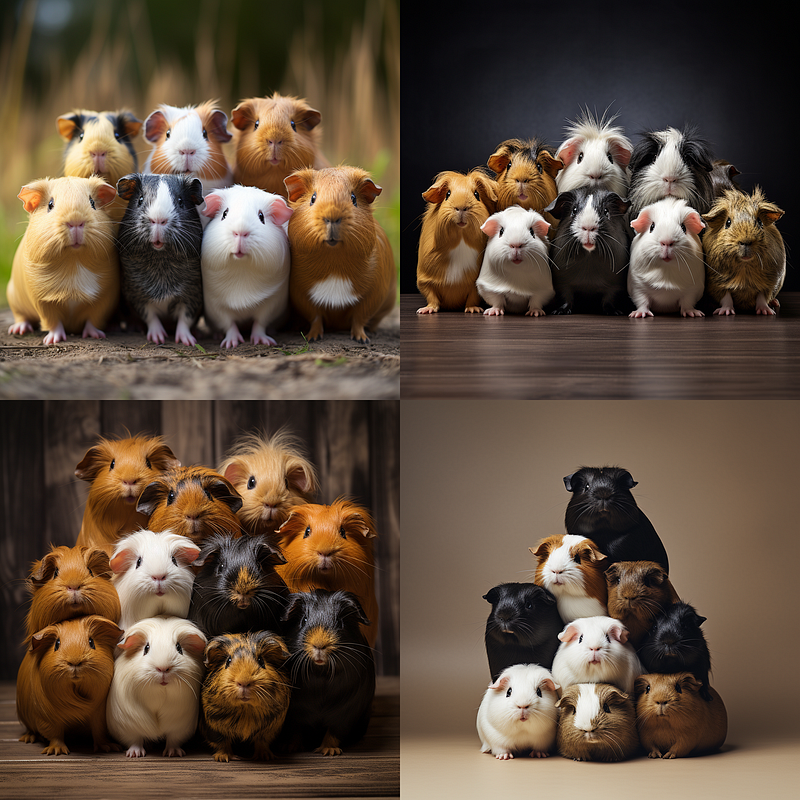
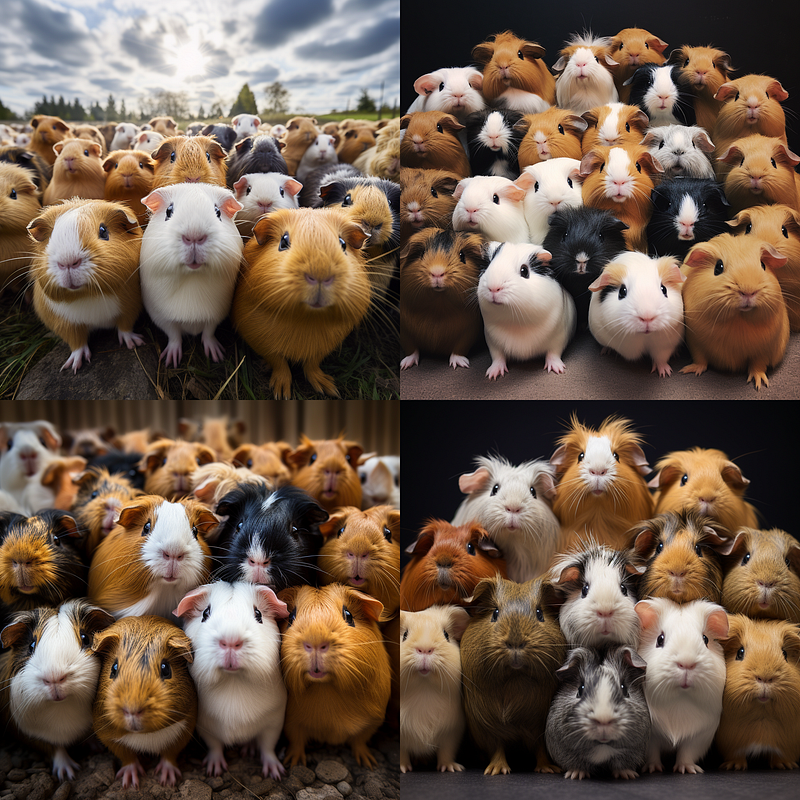
/imagine prompt: a photo of a group of guinea pigs (Bottom/Right) /imagine prompt: a photo of many guinea pigs(b) Crows
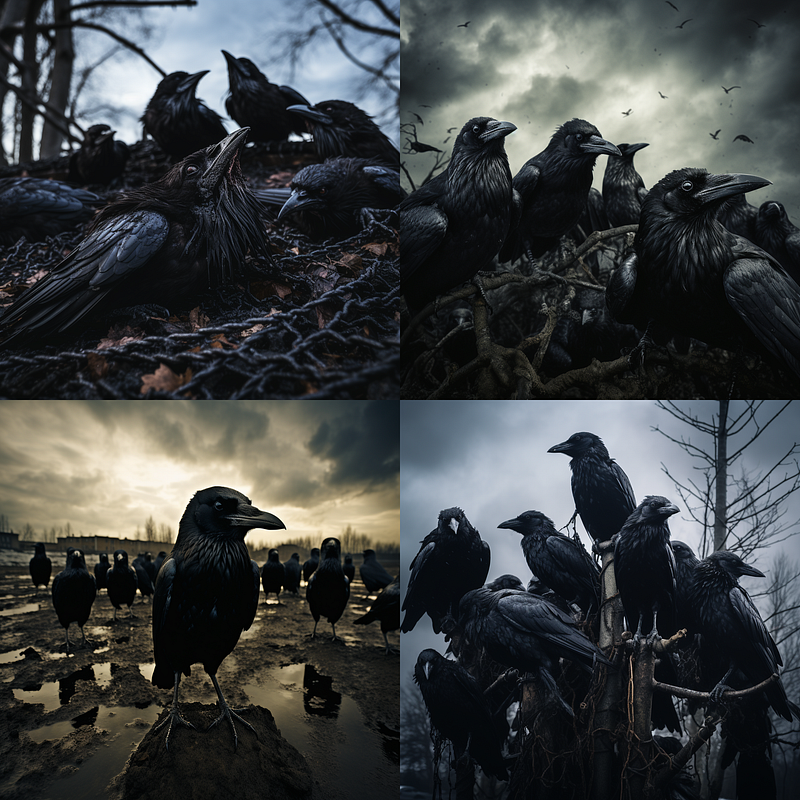
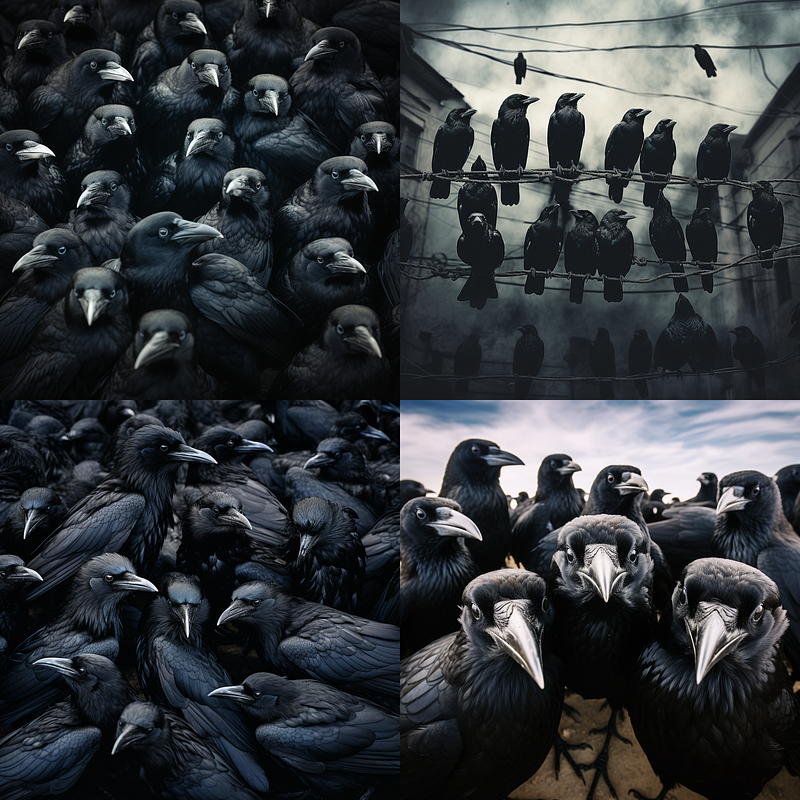
/imagine prompt: a photo of a murder of crows
/imagine prompt: a photo of many crows
When the word “murder” appears in the prompt, I expect to see a scene of police investigation or violence. But, as the Midjourney bot understands, there is no murder case. The crows were also not “murdered”.
(While /shorten is not yet a perfect tool for analyzing prompts, it does demonstrate that the bot understands the word “murder” in this case.)
Like the guinea pig case, “many” generates excessive subjects, some cropped out of the image.
Fish & Aquatic Aliens
The next question is whether we can use a collective noun to refer to another subject or thing.
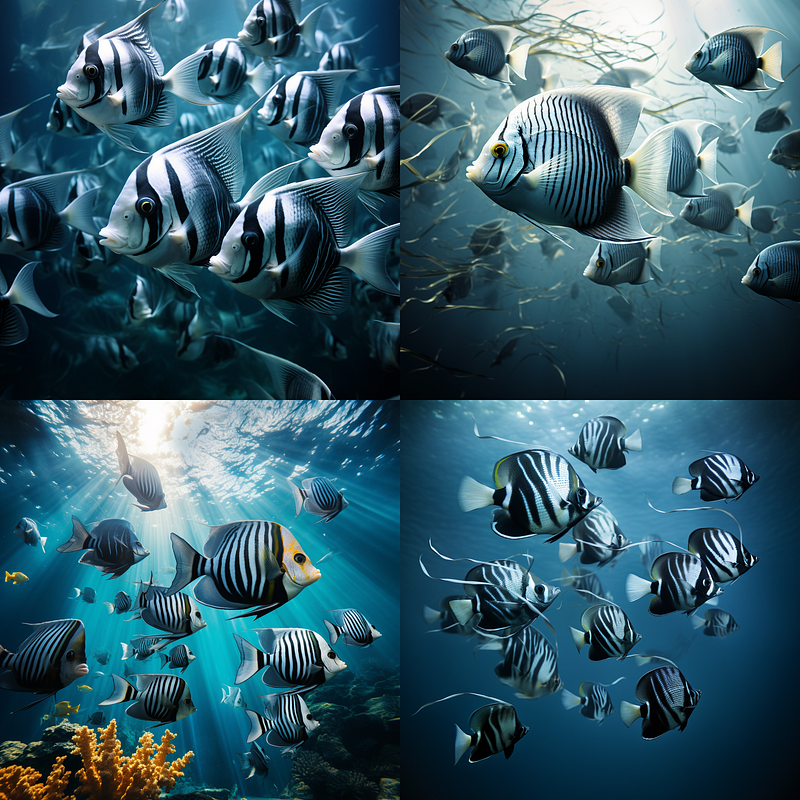
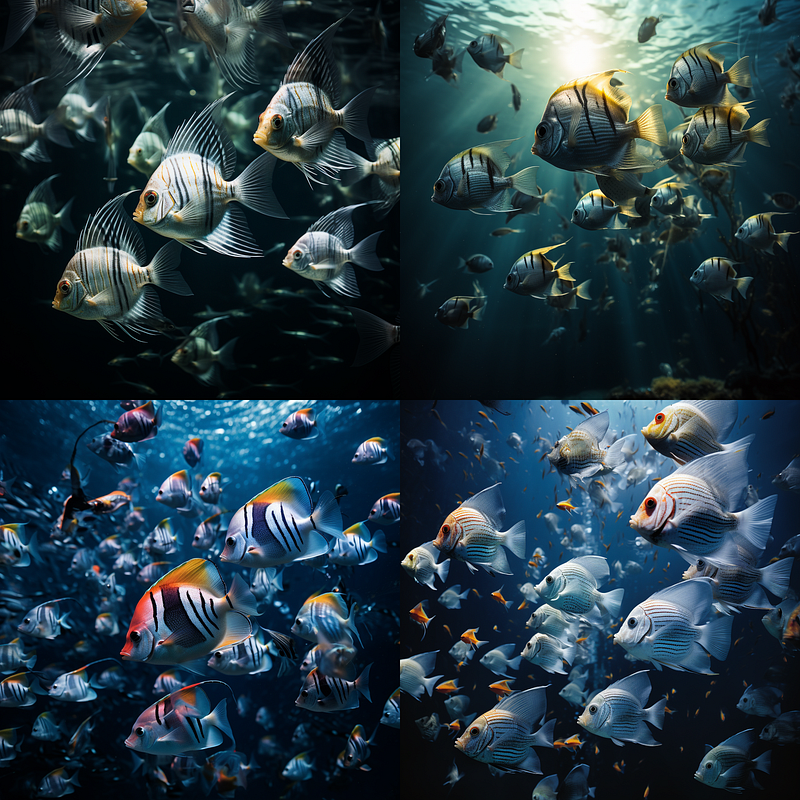
/imagine prompt: a photo of a company of angel fish
/imagine prompt: a photo of many angel fishes
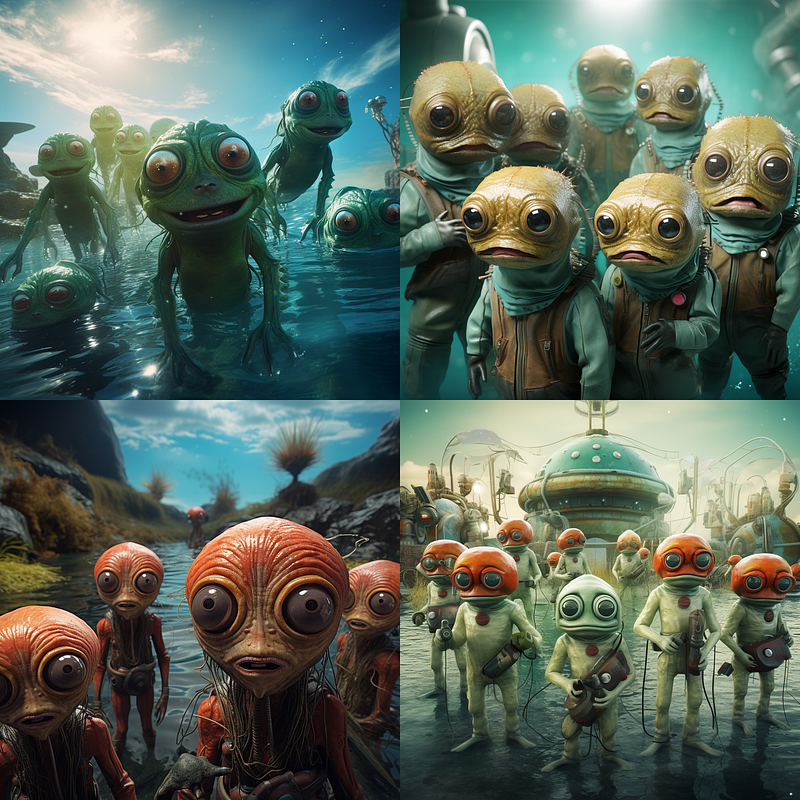
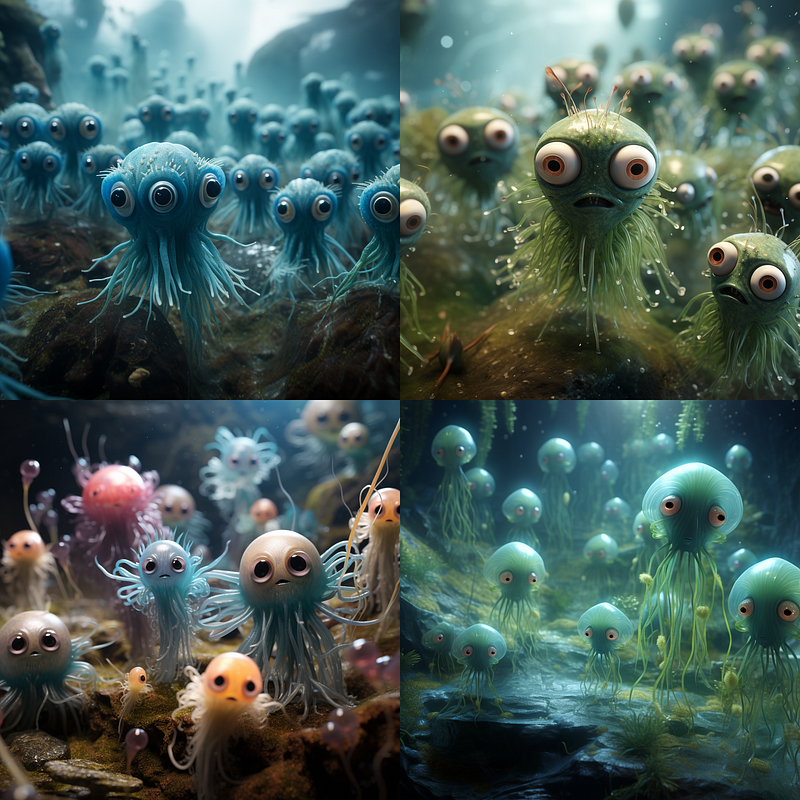
/imagine prompt: a fictional photo of a company of small aquatic aliens
/imagine prompt: a fictional photo of many small aquatic aliens
The “many” images contain more subjects. Collective nouns generate fewer subjects, but most are within the image frame.
As a result, if you want a lot of tiny creatures in the distance in your image, use “many.”
Use collective nouns if you want fewer subjects and focus more on them.
When a collective noun is preferable to “many”
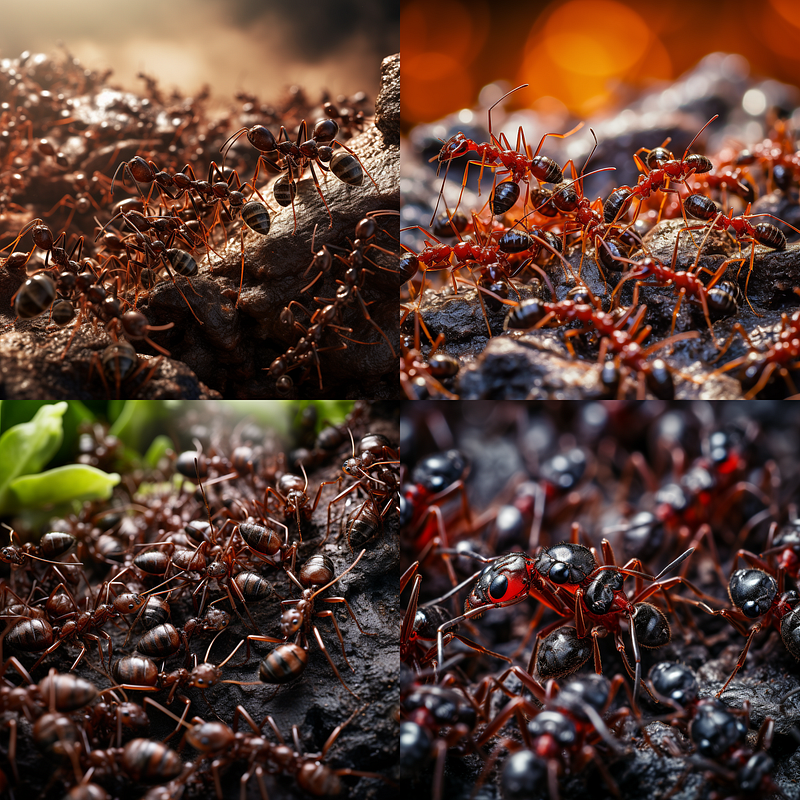
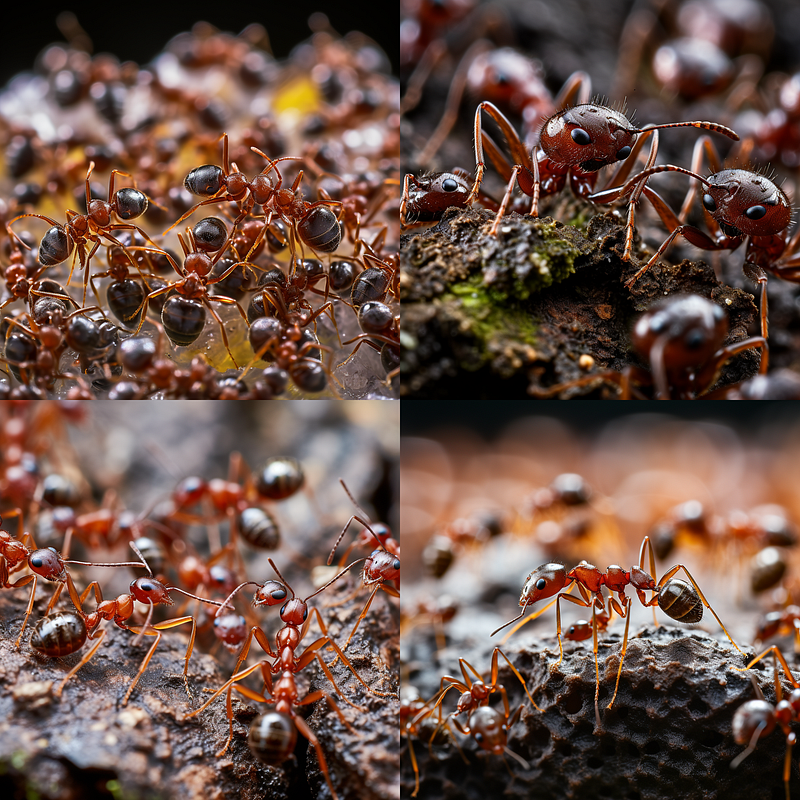
/imagine prompt: a photo of a swarm of ants
/imagine prompt: a photo of many ants
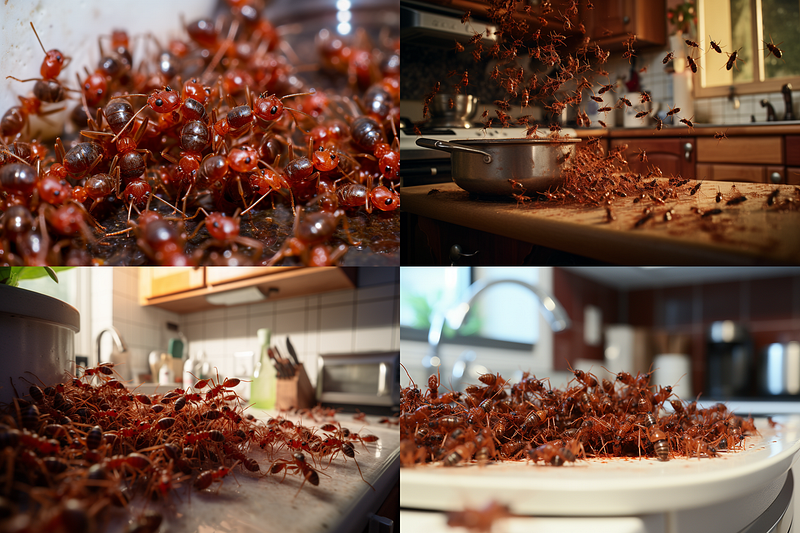
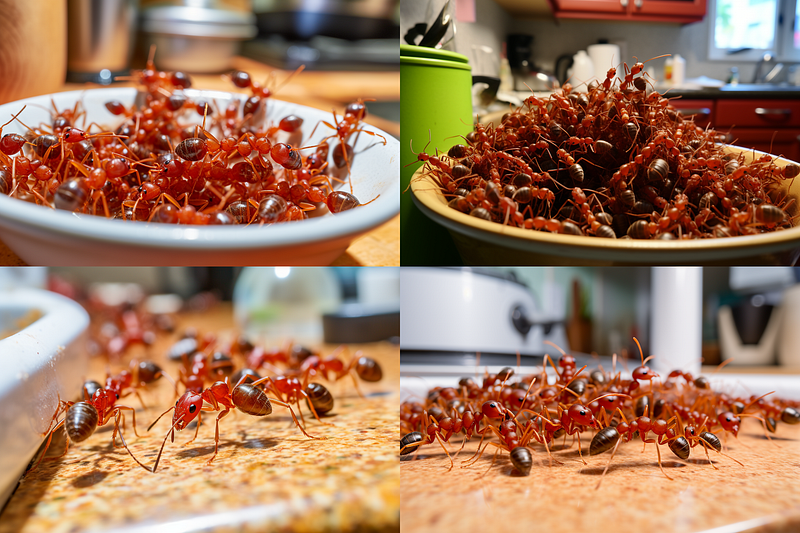
/imagine prompt: a photo of a swarm of red ants in a kitchen, far-angle --ar 3:2
/imagine prompt: a photo of many red ants in a kitchen, far-angle --ar 3:2
A collective noun like “a swamp of” is preferable to “many” because it conjures up more tiny subjects in the image.
Having said that, the outcomes are very close. Although “a swarm of” produces more images with “swarm effect” than “many.”
For comparison, see the photos below.
Do the photos above make your skin itch?
Cat & Alien Houses
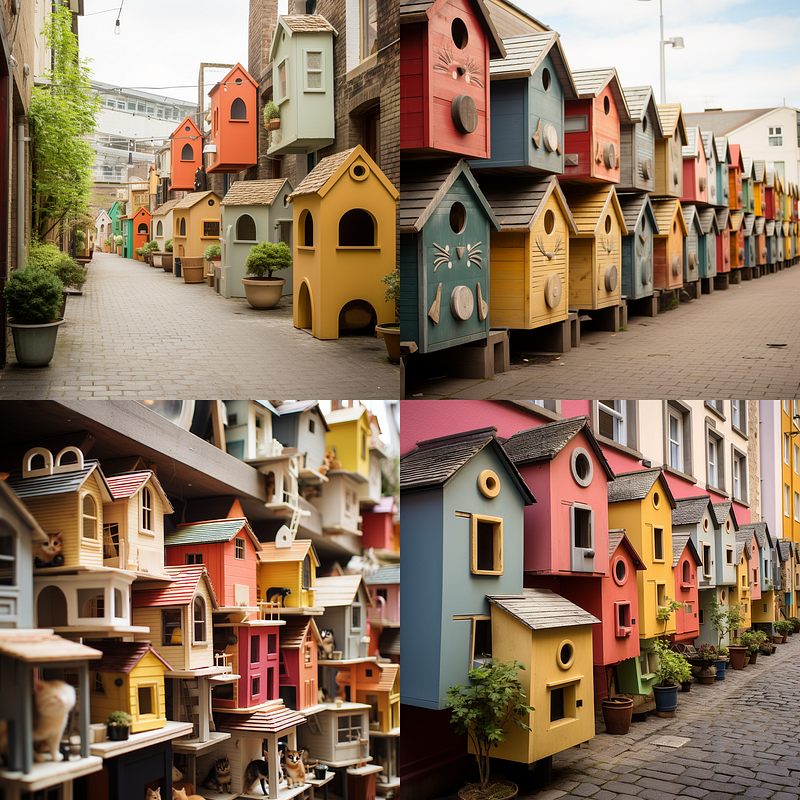
/imagine prompt: a photo of a mews of cat houses
/imagine prompt: a photo of many cat houses
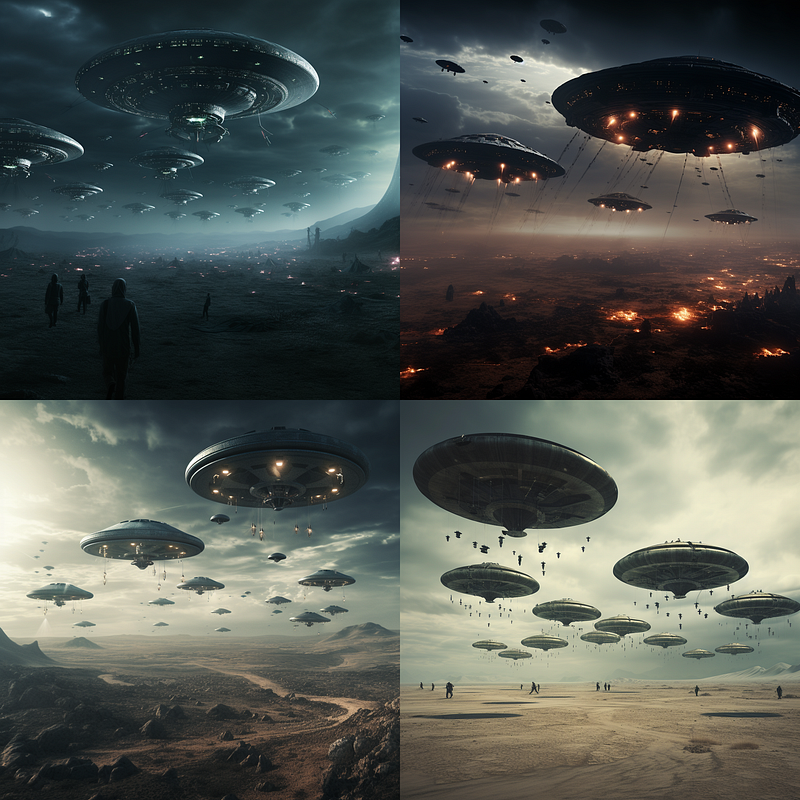
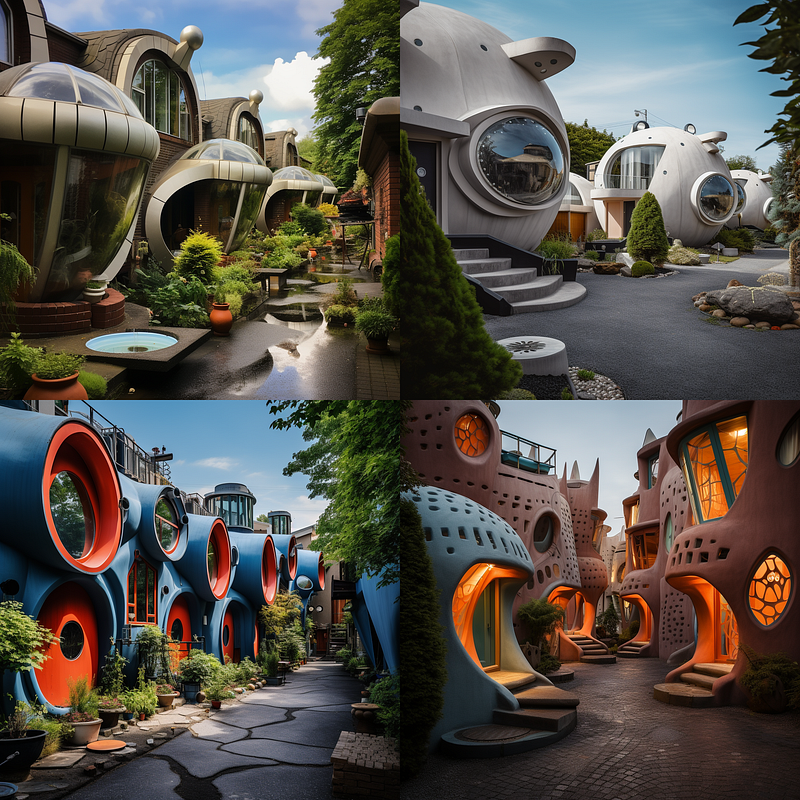
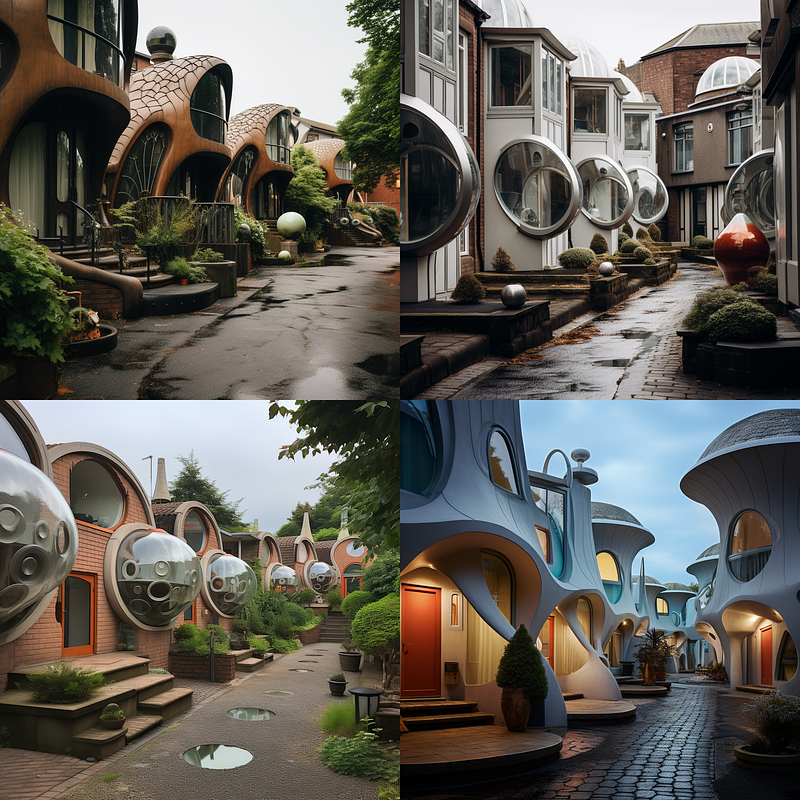
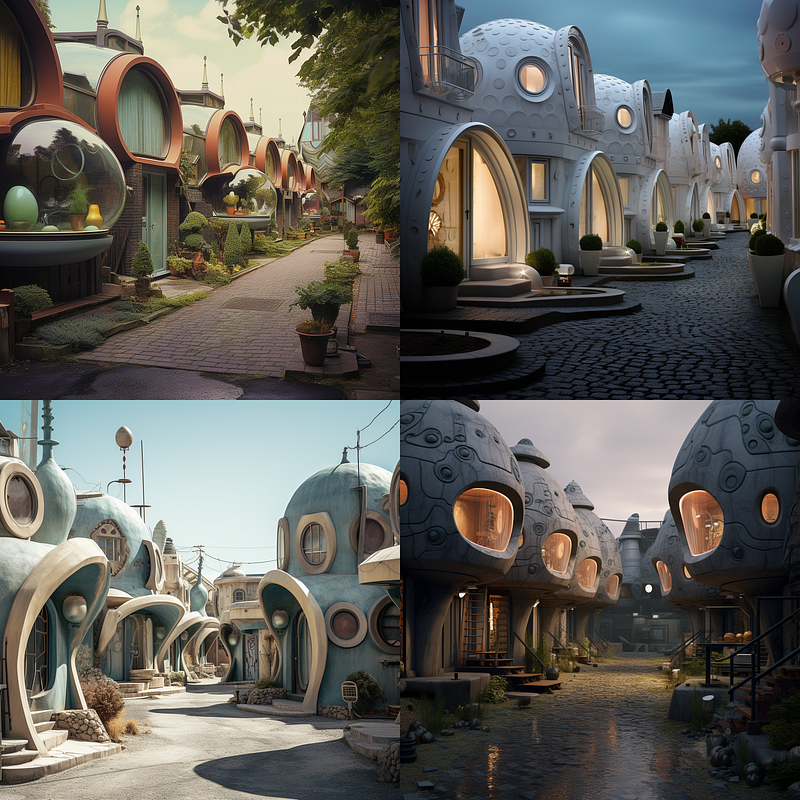
/imagine prompt: a photo of a mews of alien houses
There is something known as “a mew of cat houses.” The collective noun generated an image of rows of cat houses with a camera angle similar to a “narrow-angle shot” plus a few cats.
Whereas “many cat houses” produced many tiny cat houses and cats, with the house facades facing the camera.
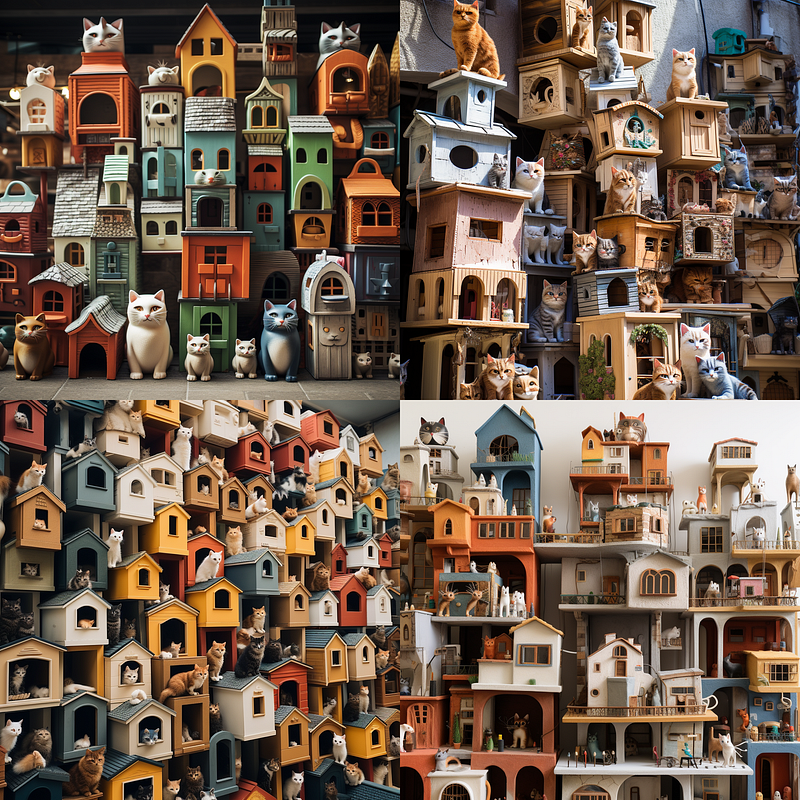
Because I suspect my cat has alien ancestry, I use the same collective noun to describe alien houses. Take a look at the results; they’re pretty good.
Easy fix for a minor issue
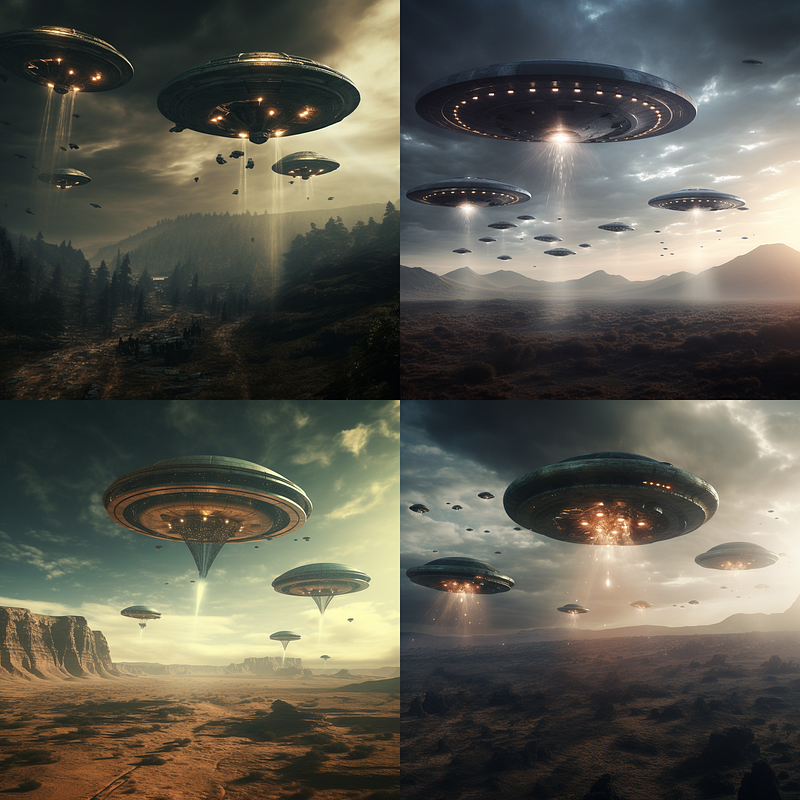
/imagine prompt: a photo of a belt of asteroids (problematic)
/imagine prompt: a photo of an asteroid belt (fixed)
If the collective noun generates something unwanted, try moving the word around to see if that solves the problem.
The collective nouns don’t always work, though. It can also cause some blending issues.


Related stories
Simple and easy-to-follow guides for Midjourney Beginners
Latest news & updates on Midjourney:
Conclusion
- Collective nouns influence the composition of an image.
- Use “many” if you want a lot of tiny creatures in the background of your image.
- If you want to focus on fewer subjects, use collective nouns.
- A collective noun like “a mews of” can even change the image’s camera angle.
- If the collective noun produced an unexpected object, try moving the word around to see if this resolves the problem.
- Collective nouns don’t always work as expected. They are, however, part of the artistic toolbox, capable of triggering specific types of effects and image compositions.
I hope you like this story!
Please give me a clap or leave a positive comment to let Medium’s algorithm know that this story is helpful and has contributed to its platform’s success.
Your support inspires me to create higher-quality content in the future!
Never miss a story. Follow me on Medium for updates, stories, and tips about Midjourney.
Sign up here for a free email alert when I post a new story.