
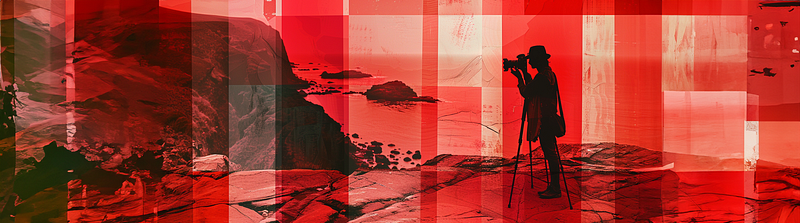
Where does the rise of AI leave human photographers?
📸 Midjourney: Prepare to Say Goodbye to Traditional Photography
I know this is a provocative idea.
Over the past month, I have encountered various opinions, ranging from extremely positive to decidedly negative, mostly from photographers who seem reluctant to face reality.
📝 The current state
The question of whether AI image generators will make photographers obsolete is a challenging one to answer. It’s a thought-provoking proposition, and one that’s certainly not easy to grasp. The field of AI image generation is advancing fast, and these advancements are introducing new possibilities that could potentially reshape the photography industry.
AI is a disruptor.
Just over a year ago, even the best AI images looked artificial, and it was easy to distinguish between AI-generated images and real photos. But with the introduction of Midjourney v6 and similar services, the level of realism significantly increased.
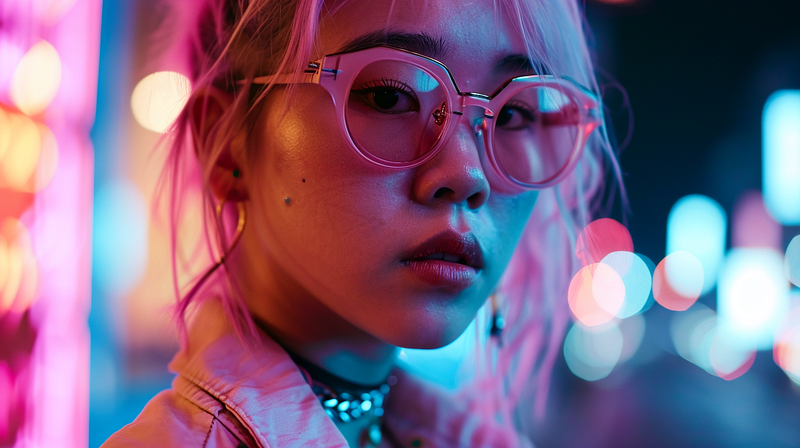
Now, one must really search for the smallest flaws to determine if an image is AI-generated. And people are beginning to realize that this issue is much more pressing than anyone could have anticipated a year ago (and I am not talking about the pope in street wear).
🕵️♀️ Deep dive
Let’s explore if AI can potentially replace photographers.
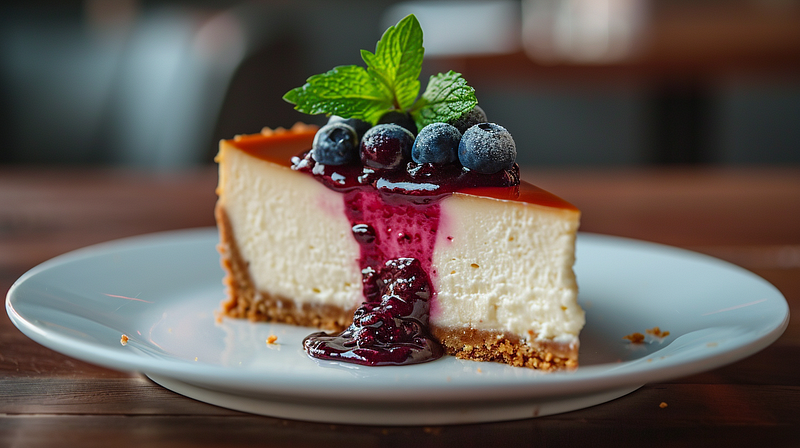
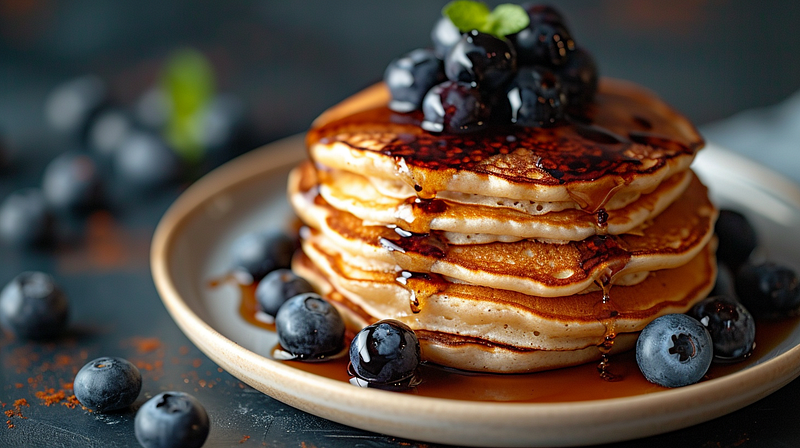
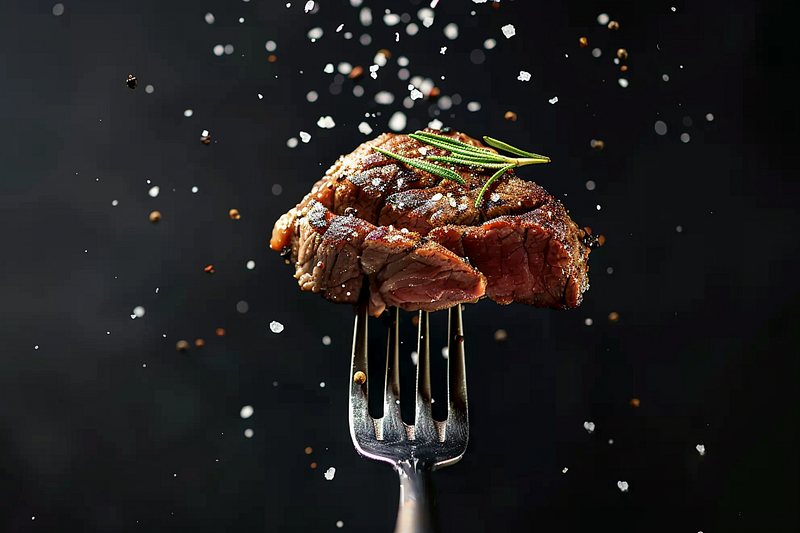
One field where this might actually happen is food photography. Artificial intelligence has advanced to a point where it can produce incredibly realistic images of food items, capturing even the smallest details with astonishing accuracy. Consider the texture of a perfectly cooked steak, the shine on fresh vegetables, or the delicate layers of a pastry — these are aspects that AI can now replicate in its images to a point where it’s indistinguishable from real photos.
Or think about landscape images that AI can produce these days. These photos are remarkable, and even more so is the way it generates people. These AI-created humans, who never existed and will never exist, appear so realistic and lifelike (despite the usual AI flaws, which are discussed further below) that it’s hard not to feel something for them.
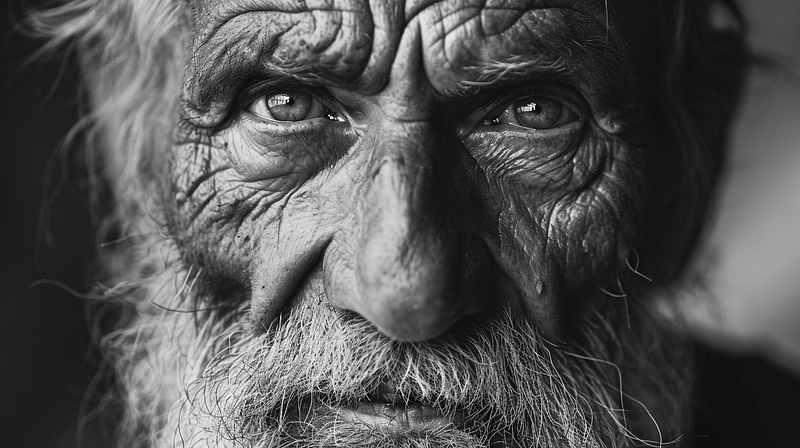
Perhaps it’s a human trait, but I often find myself wondering about these AI-generated humans and sometimes, I get lost in their eyes. Their beauty and perfection is, frankly, eerie.
🛎️ The hard truth
AI is poised to make photographers obsolete… at least to some extent.
Where there were once hundreds of thousands of photographers, there will be a select few who will either be celebrity photographers or those who’ve found a niche that AI cannot fill. These individuals will be successful, but will likely also incorporate AI into their work.
Let’s be real — AI is a helper no one can ignore.
And one field in which real photography may become obsolete is, as mentioned above, food photography. Despite requiring skill and craftsmanship, AI can easily replicate this work and save a significant amount of time. The need for food stylists, cooking, and expensive photoshoots will be replaced by someone tweaking prompts on a computer until the desired outcome is achieved.
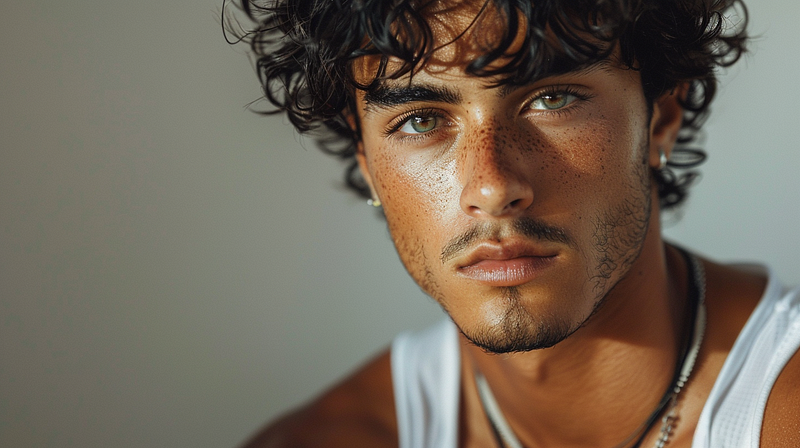
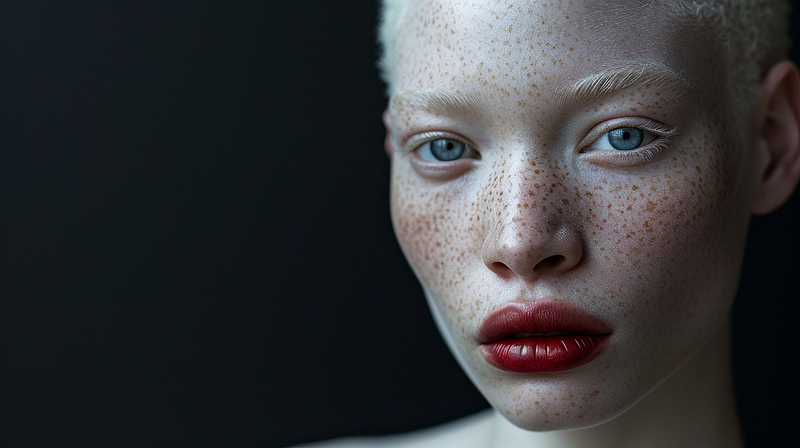
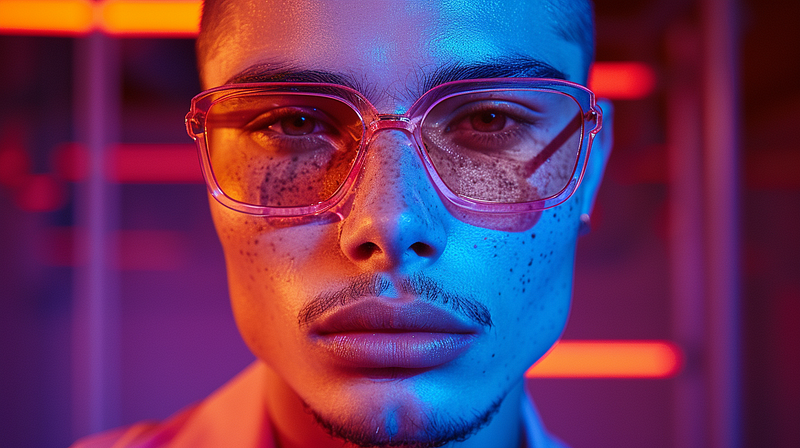
Product photography, package design, and any work involving anonymous, random models will likely be outsourced to AI. Why hire a model and stage a scene, possibly somewhere outdoors with costly permissions, when the model’s identity doesn’t matter and AI can create a person instantly?
🌤️ The silver lining
However, this doesn’t mean photographers will become obsolete immediately. While AI presents new possibilities, it may struggle to replace the creativity, perspective, and unique style inherent in a human photographer’s work.
Photography is more than just image replication — it’s about capturing moments, narrating stories, and evoking specific emotions. These elements might be difficult for AI to reproduce.
Consider it this way: The invention of the word processor didn’t render writers obsolete; it merely altered how they work. In the same way, AI advancements will change photography, not completely eradicate it.
There will always be a need for genuine, human-generated photography. Event documentation, portraiture, and memory preservation are just a few areas where traditional photography will continue to flourish (ie. wedding photography or children's portraits).
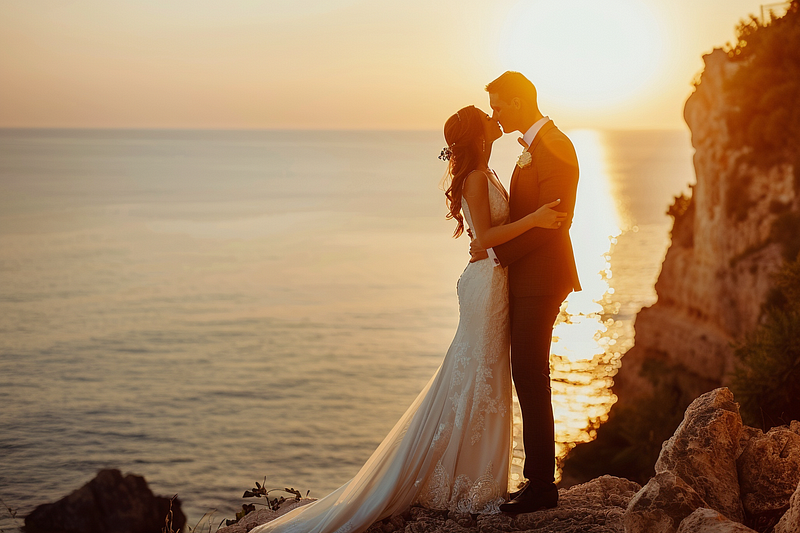
Imagine a personal wedding photo without actually being there. It’s likely that no one would want that, and it’s one niche where real photography will always be essential.
🤔 Final thoughts
The rapid development in AI image generation suggest that the photography industry may see significant changes in the future. It’s a thrilling era for both fields, and their evolution and intersection will be interesting to watch.
While there will likely be a select few who maintain the art of traditional photography, and a demand for human input will remain, much of the work that can be automated or outsourced might be taken over by AI.
Meanwhile, photographers who are just average may face challenges in the future. Currently, I believe it would be beneficial for everyone — not just photographers — to learn AI technologies like LLMs and genAI.
💬 Do you believe that the future is AI? Or do you think we will always rely on real photographers? Feel free to comment.
Hej there! Can I ask you a favour (it will really help me out to grow this blog)? If you find this article insightful, follow me please and clap 50 times. Or feel free to buy me a coffee. Thanks for reading!
How to spot AI generated images and more to read about Midjourney:

This story is published on Generative AI. Connect with us on LinkedIn and follow Zeniteq to stay in the loop with the latest AI stories. Let’s shape the future of AI together!


