
Microsoft Windows is failing. Is it time for Microsoft to face facts?
Just about everyone reading this piece will have used Microsoft Windows. It remains the world’s most popular desktop operating system, and has since operating systems were a thing.
I have used every edition of the OS, starting with 3.x and currently enjoying Windows 11, but while the Redmond giant’s software has evolved over that time, their market share has dwindled, and following failure after failure, it may be time for Microsoft to acknowledge their failings and focus on their strengths.
The demise of Windows
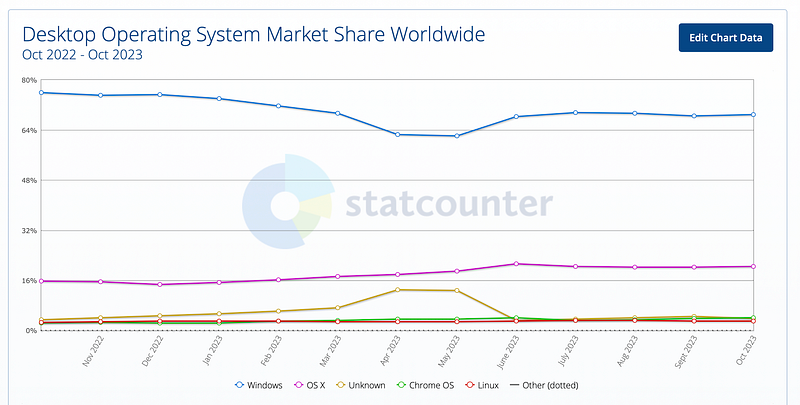
Back in 2010, Microsoft enjoyed operating system domination. Their software featured on more than 90% of the world’s desktop computers. Competitors like OSX (now MacOS) from Apple were mere specs on the horizon with single-digit market share.
The gulf in user acceptance was so huge that Apple may not have even featured on Microsoft’s SWOT analysis of their product. Oh how times have changed.
Fast forward to 2023, and Microsoft’s fall from grace has been steady and somewhat shocking. Microsoft remain the dominant operating system but their market share has dwindled to less than 70%, currently at 68% according to Statcounter.
That regression equates to about a 24% reduction of overall market share. Meanwhile, Apple have experienced gains, and while they aren’t particularly impressive from their own high standards, Apple have eaten up around 15% of the market.
Reactive Failures
While Microsoft remain dominant, as an observer, it feels more like a matter of time before they lose their perch and become one of the also rans, to Apple.
If we observe the Windows journey, things started to look quite different when Windows 8 was released. Windows 8 tried to propel Windows into a capable desktop and mobile operating system.
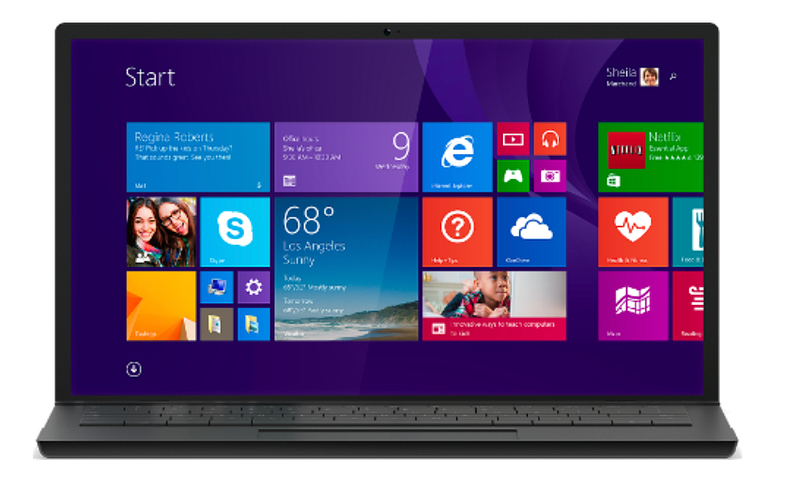
Its timing, around two-years following the introduction of the iPad, appears to have sought to appeal to those that have pivoted their mindset to wanting a touch interface. Grand ambitions, poorly executed.
I can’t think of too many people that wouldn’t consider Windows 8 as a failure.
If this was a poorly executed product that reacted to the groundbreaking iPad, then it certainly set a tone for continued failings.
Repeat Failures
But it doesn’t stop there. Microsoft continued to deliver more and more product failures.
Windows Phone had a shelf life of 7 years. It came to market less than 3 years after the iPhone and disappeared almost as quickly. There are a handful of people that crave this OS still, but the majority of people wont recognise its disappearance. To be fair, I had two Windows phones and while I wouldn’t exchange my iPhone or my Android, I did really enjoy it at the time.
The embarrassment doesn’t stop there either.
Microsoft also launched its successful Surface Pro range, but for the eager eyed observers out there, you’ll remember it originally came originally with something called Windows RT, which was Microsofts attempt at competing with the iPad. But it failed, so it was pulled and on the third iteration of Surface, Microsoft equipped the device with full Windows 8.
I had a Surface 3 and it was a decent machine. Well mine lasted about 14 months when the battery started to fail — fortunately I purchased it from John Lewis in the UK and benefited from their generous two year warranty and obtained a full refund, which funded my purchase of a MacBook Pro — but I digress.
Microsoft then launched an ARM version of the Surface, but users had a very diluted experience and were restricted on the software which it could run.
The surface is now a capable laptop that works in the form factor of a tablet, but it hardly has a successful history.
Even now, with Windows 11, which I think is the best version of Windows to date, and which delivers a stable and attractive interface, it appears to have taken design cues from MacOS rather than breaking new ground in its own right.
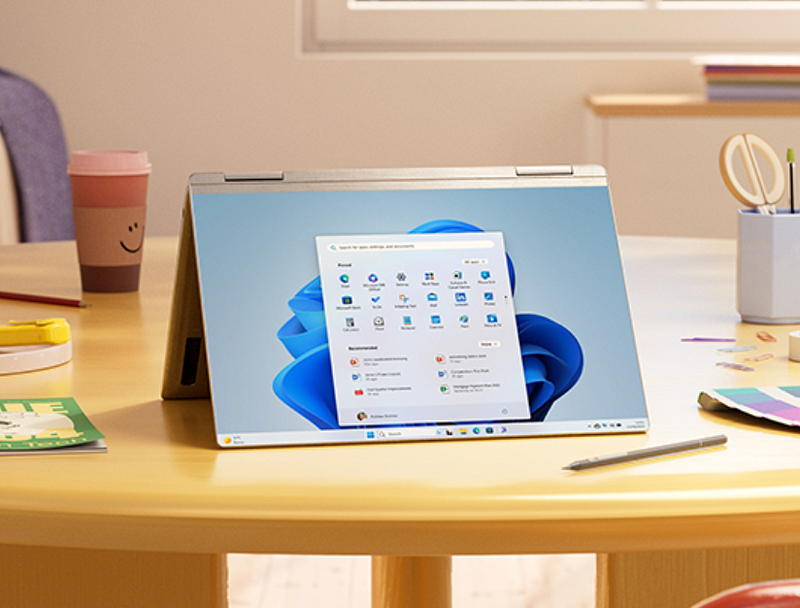
Windows 11 came with a centralised Task Bar and start menu. Sound familiar? Well to avoid possible litigation I’ll let you arrive at your own conclusion. It has a new ‘Fluent’ design language, which is actually very attractive, but design choices also appear familiar — see waiver above.
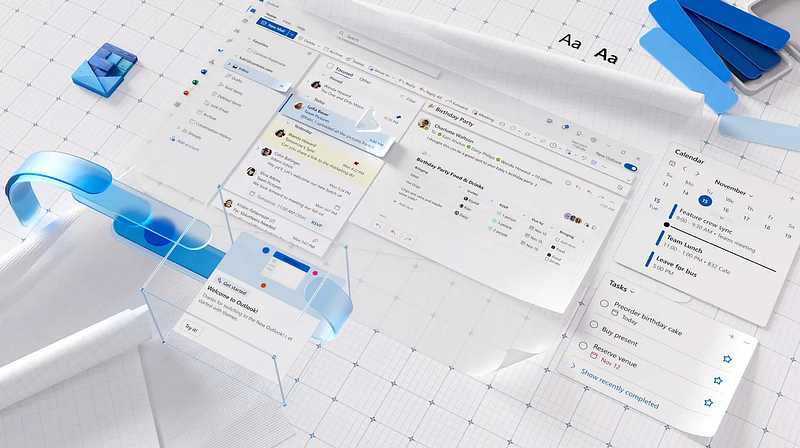
It seems to me that Microsoft has become a nervy company that despite being a market leader, is being lead. Instead of stamping their dominance by making their products better, spends time creating half baked reactive offerings that do nothing other than further diminish their profile.
What is the future for Microsoft?
Well there is something that Microsoft have got very right, and that is Microsoft Office. Although it’s feature rich profile may make it a bit clunky for those that prefer the light weight alternatives from Google or dare I say it, Apple, Office remains the powerhouse of the industry.
I’ve worked in the Financial Services sector for 20 years and I’ve never been send a spreadsheet in Apple Numbers, and the only time I see a Google Sheet is when I have a meeting with marketeers. Office is dominant and that’s because it is frankly brilliant.
Microsoft has integrated AI as well, with its Copilot solution and that has the potential to be exceptional. Imagine being given a task to create a slide deck to present a pitch and you’ve only got 24 hours notice — well Copilot could pull that together for you in less than 30 seconds.
Imagine needing to analyse some data in Excel and making buying recommendations….. ‘Hey Copilot….’.
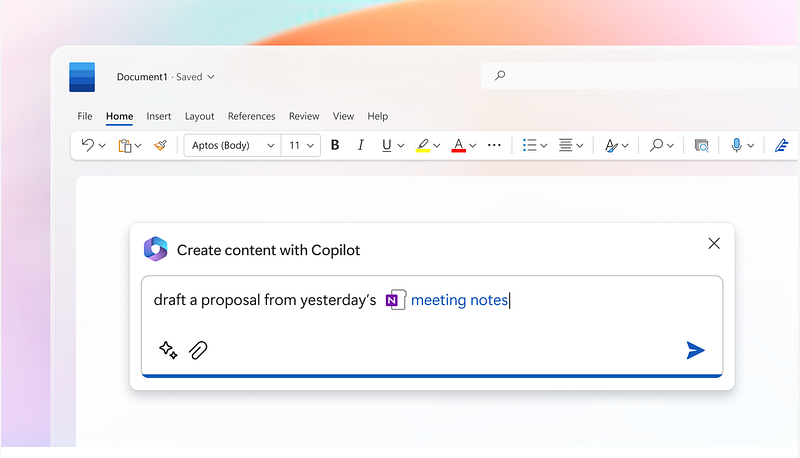
I’m therefore wondering how Microsoft react. Do they try to stem the leakage of Windows users, having failed so badly yet so consistently, or do they focus on what they’re really good at? According to some data in on businessquant.com, Microsoft generate 50% of its revenues between Office and Cloud services. Windows accounts for just 12% of its revenue, which is only 6% more than what LinkedIn contributes.
So it’s stick or twist time for Microsoft. Do they try to launch a new version of Windows that will no doubt be fraught with launch bugs that may put downward pressure on their market share, or do they go all in with AI equipped Office 365? Or do they do both?
They’re certainly big enough to do both, and it will only be a good thing for consumers to have a better Microsoft Windows in town. But what I would say, is that if they want to revamp Windows, it probably needs new creative input.
Perhaps with the launch of the hugely anticipated Snapdragon X Elite, we’ll finally see Windows devices with the hardware to compete against Apple. Maybe that will be the turning point.
But if they do nothing, then those trends we looked at first, will continue.


