
Microhabitat(소공녀)- The cost of happiness & freedom
‘‘What is it like to live like a human?’’
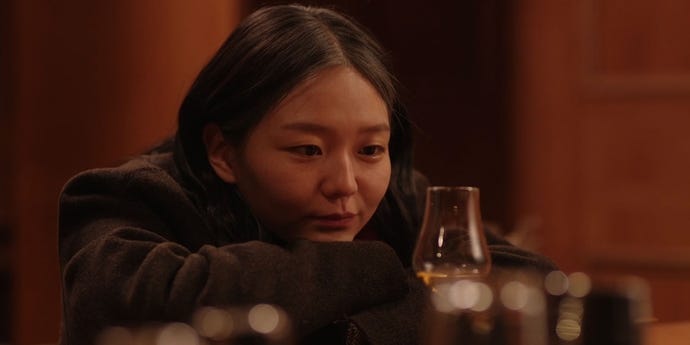
Do you know what makes you happy or are you just following the societal manual that is supposed to make you happy? And, what are you willing to do for your idea of happiness? We all want to be happy and we often forget or overlook that there is a price to pay. Is your freedom still intact after achieving so-called happiness?
Microhabitat tells a story of happiness, friendships, loss, and freedom. In the end, you are left with a smile on your face, teary eyes, and a looming question: what makes you happy?
Our protagonist Mi-so, whose only happiness in life is daily whisky and cigarettes, and her boyfriend. When her landlord bumps up the rent by 100,000 WON (approx. $ 100), she is left with the choice of either giving up whisky and cigarettes or simply accepting the rent bump. As someone who is working as a house cleaner, she had no choice but to select from these two as she can’t give up on food and medication.
So, she moves out of her apartment and decides to couch-surf with her friends until she can afford a place on her own!
What follows ahead is a beautiful story showing us what happiness means and what is the cost of it. Is it one universal thing, is it an accomplishment or is it simply something that makes it easier for you to sleep at the night? Are we ready to pay the cost of being happy and if so, what is the guarantee that you will always be happy?
When Mi-so visits her friends one by one, we are shown their daily lives, what happiness means for them, and at what cost they want to keep it. Even when they know it is nothing but a delusion, they are ready to sacrifice their freedom or they are just stuck there out of circumstances.
A job might provide stability, but not always happiness.
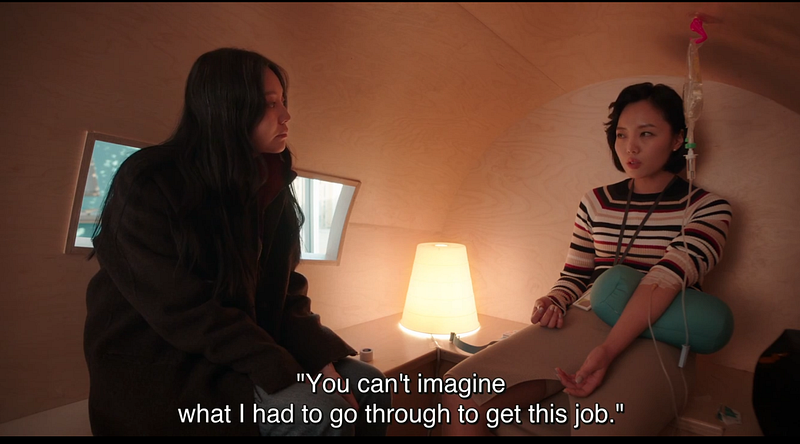
The first friend is working for a ‘big firm’ and seems to have a good professional life. However, she admits how much she had gone through for this job, no time to eat and she is going to work harder to land a ‘better job’. She refuses the request from Mi-so to crash with her as she isn’t too comfortable living with her. So Mi-so accepts it and leaves. However, her friend is really surprised to see how Mi-so hasn’t changed at all.
That makes us wonder; how much we have buried our real self to accommodate in society, given up on our pleasures so we can live from paycheck to paycheck.
Do not just live your memories, make memories.
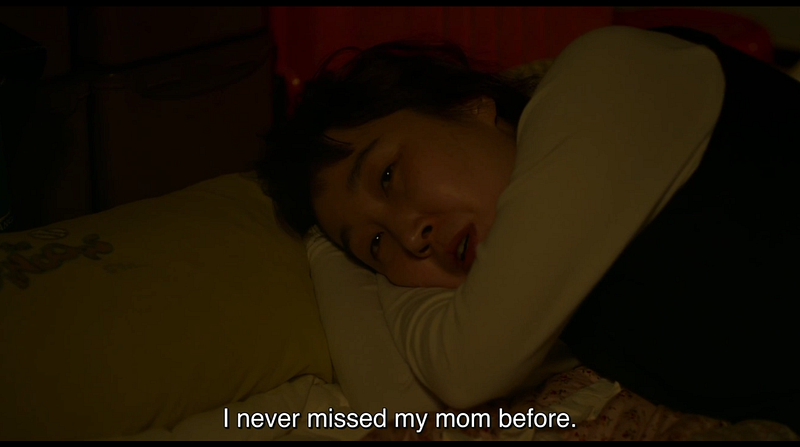
The second friend gives her the warmest welcome and is genuinely happy to see Mi-so. Mi-so notices that her married life isn’t a fairy-tale. Her friend isn’t skilled at cooking and for that receives passive reactions from her in-law. Her husband is never taking her side and is a couch potato. Mi-so and her friend reminisce about the bygone days and shares laugh. Mi-so sees the pain in her friend but her friend shuts her down. Saying that it is useless to talk about it at this point. The next day, Mi-so leaves her home, with food cooked for her and a note telling her to cook more for herself.
It is not certainly wrong to find happiness in a marriage, a partner, and a family. But does it still justify everything if all you do is try to make others happy and you stop having a life of your own?
How do you burn the bridge when all you’re left with is the bridge?
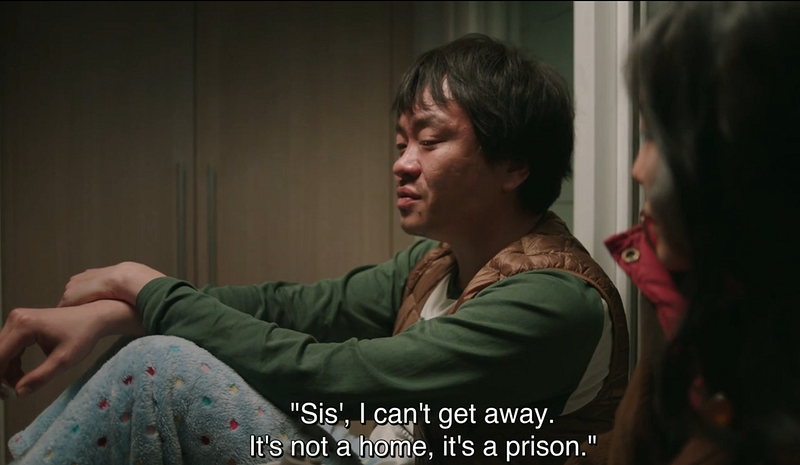
The third friend is a divorcee, her wife ran away after their wedding. More, the friend is crushed under a home loan that was supposed to be their happy family house. He is drowning himself in alcohol and is clearly in a state of severe depression with no light at the end of the tunnel.
What would you do if you have given all you’ve got, just to realize that you weren’t creating a life, a home for yourself? what if the contract of our lifelong happiness turns out to be lifelong imprisonment? Where do we go, what do we do?
Do not empty your glass to fill up other glasses.
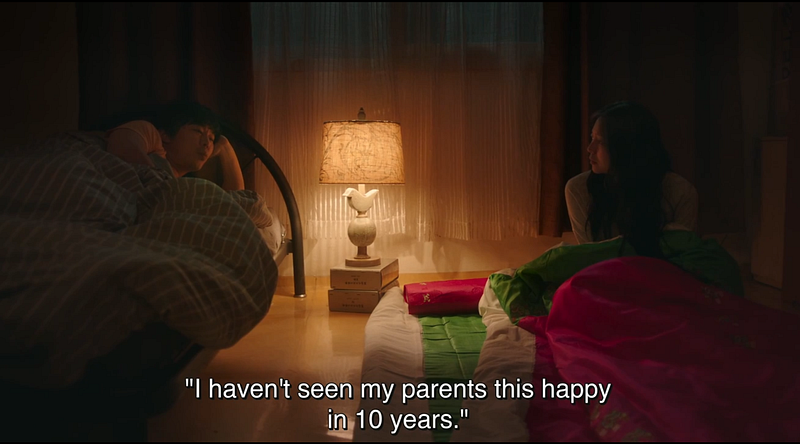
The fourth friend is a bachelor living with his parents. The only thing parent wants from his only child is a ‘nice daughter-in-law’. The parents are nice to her but not without a purpose. They force them to sleep in the same room and try to make her the house prisoner. Mi-so manages to escape from this, realizing that you don’t have to partake in such shenanigans or be nice for others’ sake.
For most of our lives, we keep putting others in the front seat for countless reasons. It is a noble deed maybe, but not if it’s a sacrifice for you.
Money doesn’t equal character.
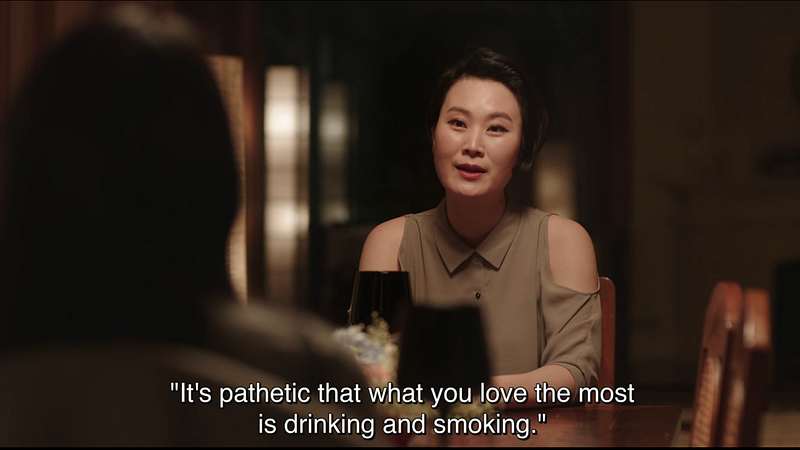
The last friend is married to a rich man and she welcomed Mi-so into her lavish home. Mi-so gains financial stability in life thanks to her. However, the friend confronts Mi-so that something is wrong with her for choosing cigarettes and whisky over accommodation and humiliates her for not having a ‘family’. Mi-so who never had any problems with her friends staying with her in the past leaves insulted and betrayed by her friend.
“I want to live like a normal person now”.
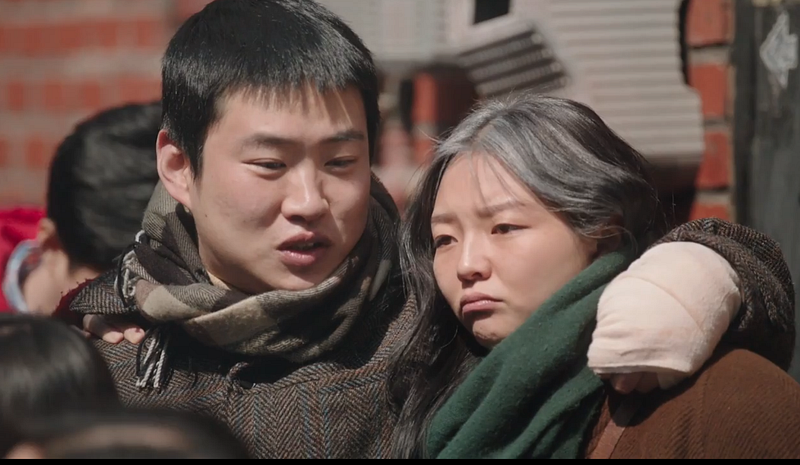
Meanwhile, Mi-so’s boyfriend enlisted in the military abroad to earn money to afford the ‘normal lifestyle’. He wanted to live like others are living. He was pointing towards job, house, and probably marriage with Mi-so at the end.
Although Mi-so does not see a point in that, all she needs is her daily whisky and cigarettes and to be with her boyfriend. While visiting all her friends, she realized that her friends had jobs, marriage, and house, but that accounted for nothing. They were all sad souls who were pretending to be successful and happy just because they had all those materialistic virtues of life.
Home is where the heart is.
Mi-so had to give up on her home, forcing her to live with friends. During this period, she saw how most people live in their homes, which was symbolic of love, lifelong bond, and security. People were living in these homes for their comfort and to keep up the delusions of a steady life.
Mi-so by the end of the movie realizes that this is not what she wants and therefore, she doesn’t need a home either. She also saw what a so-called ‘home’ did to their friends, how they changed them from how she had known them, raw and pure.
To Happiness, to Freedom, to Life.
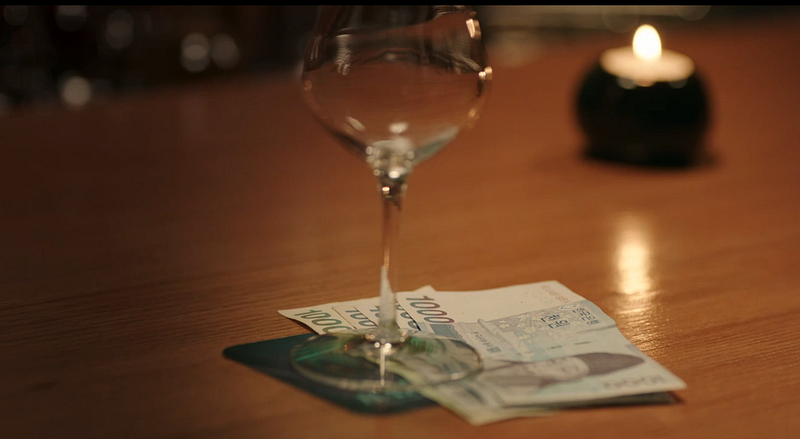
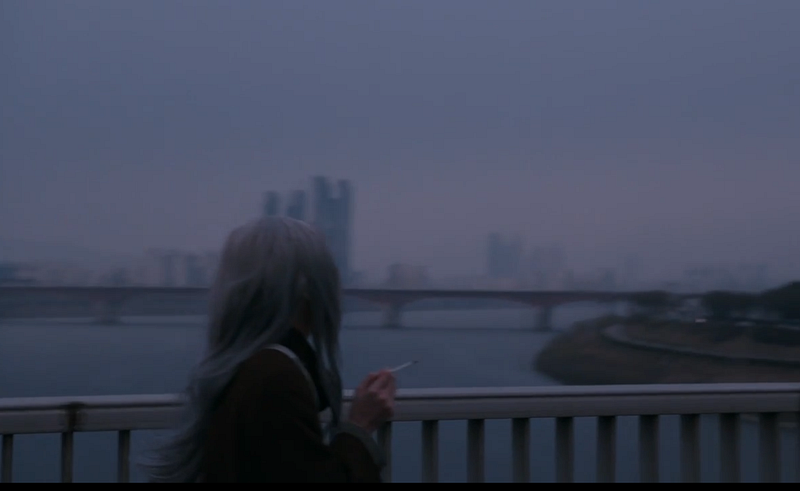
At the end of the movie, Mi-so is seen wandering the city, white-haired (indicating she also doesn’t pay for medication) and leaving the whisky money in a bar and homeless. For her, she knew what makes her happy and she chose it over everything.
This should make us look into our lives, what is happiness for us. Does happiness mean a job, money, and a home? Is it an intangible thing or a materialistic one? There is no definite answer and there never will be. Because it means different to all of us. Also, there are no rights or wrongs. We know what happiness means to us and we need to have the courage to follow our path.
It’s time for us to walk down our path, leave behind things that don’t bring happiness to us and attack our freedom in life. No matter how absurd it looks to the outside world, do your things, live for yourself! Choose life, choose happiness, choose yourself.
What makes us the most normal, is knowing that we are not normal. — Haruki Murakami, Norwegian Wood.