
👍 Microbes Saved My Life and Can Save Yours and the Planet’s, Too
My wake-up call came when I was 37 years old. I was fat, sick, and could barely function. At my annual woman’s check-up, the scale popped up to a devastating 204 pounds. My 5 foot - 2 inch body was severely out of proportion, and I was mentally drained. That winter, I learned about the healing effects of microbes and started my healing journey from the inside out. Without these tiny, single-cell organisms, we couldn’t survive, yet microbes can survive without us.
In last week’s article, I touched upon our microbiome. This week I’ll dig deeper into the guts of the matter and show how our guts relate to the planet as well. This topic is so important because our lives and the planet’s life depend on this microscopic organisms for survival. If everyone spent as much time understanding this reality as they do watching reality TV or consumed by the unfulfilling matrix, humankind just might last another century.
So let's dig in …
A microbe is a microorganism, - a bacterium either causing disease or fermentation.
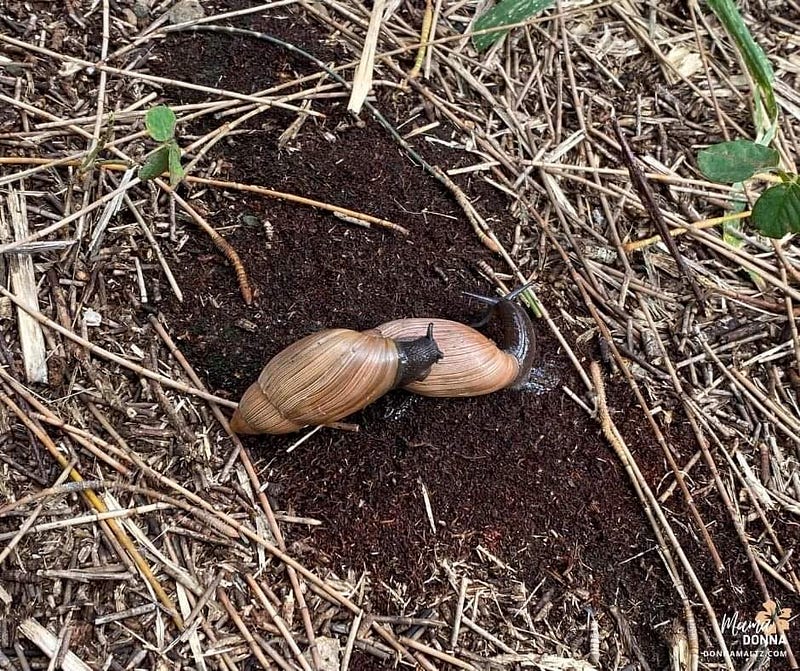
Whoa.. disease or fermentation? What does that mean? Are they good or bad?
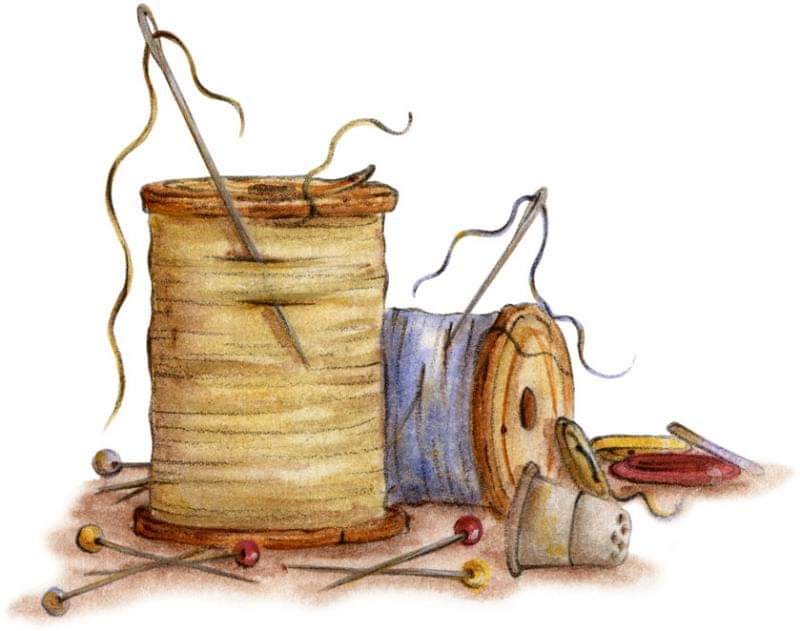
Microbe is the term for tiny creatures that are too small to be seen with the unaided eye. It's hard to imagine that millions of them can fit into the eye of a needle. Microbes include bacteria, archaea, fungi, and protists.
Microbes are the oldest life form on Earth, and were present hundreds of millions of years before dinosaurs roamed the Earth, dating back over 3.5 billion years.
Microbes are everywhere. They are in the air you breathe, the ground you walk on, the food you eat, and inside your body. The human body contains trillions of microorganisms — outnumbering human cells by 10 to 1. There are more of them on your hand than there are people on the entire planet! However, because of their size, microorganisms make up only about 3% of your body's mass (in a 200-pound adult, that's 2 to 6 pounds of bacteria) but they play a vital role in your overall health.
Without microbes, we can’t digest food, plants won’t grow, garbage won’t decay, and there wouldn’t be enough oxygen in the atmosphere to breathe.
So How Do We Get Healthier?
We welcome healthy microbes into our body with a healthy mindset.
If you suspect you have leaky gut, chronic diarrhea, or constipation, I suggest checking out Dr. Natasha Campbell’s wealth of knowledge on these subjects. She is known for the GAPS diet (Gut and Psychology Syndrome) and has helped thousands of people reclaim their gut microbiome health, which is linked to most chronic diseases.
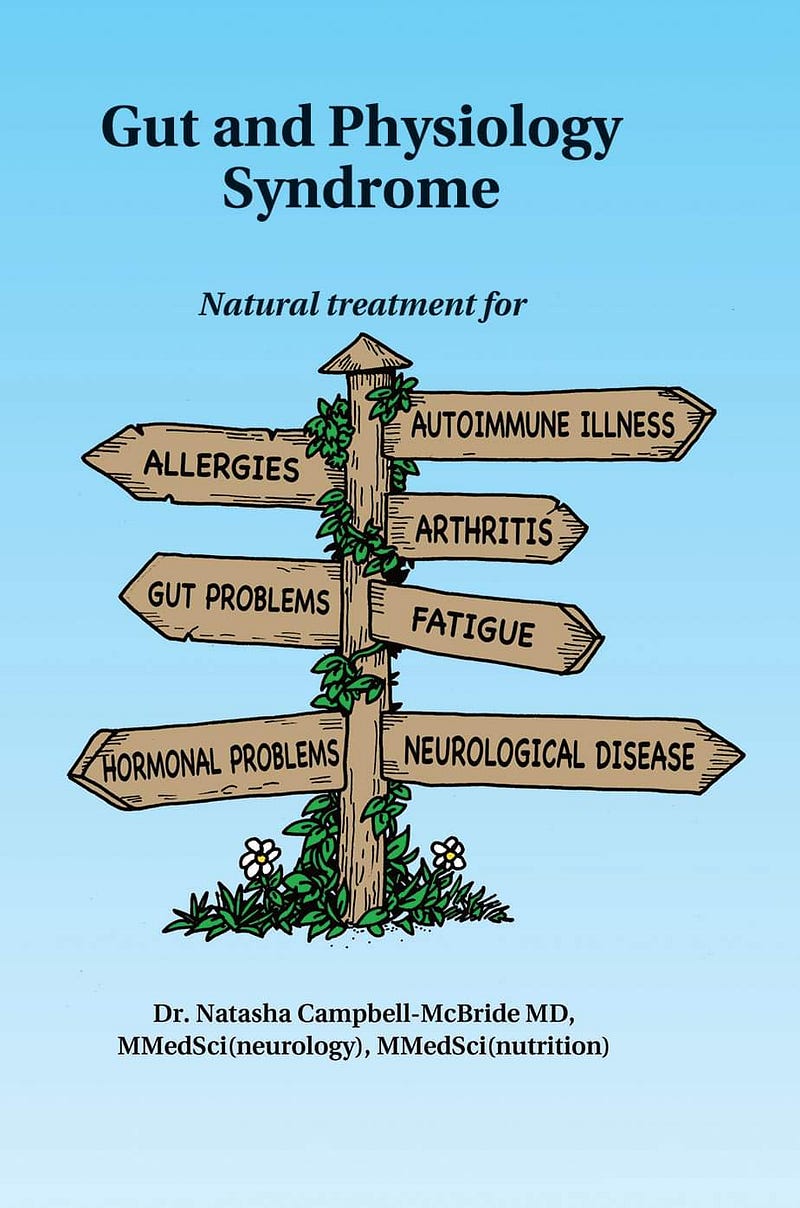
If you can change your gut, you can change your life.
Most people don't realize that what we eat, how we think, and how we live affects the makeup of our gut bacteria. It can be one of our strongest allies or one of our worst enemies.
The connection between gut bacteria and practically every other aspect of your health, including mental health, is affected by what is in your gut.
Studies have shown that gut bacteria produce neurotransmitters that affect the health of your brain. Believe it or not, your gut could be to blame for certain mental disorders.
🌏 Microbes in the Soil ~ Everything is Interconnected to our Souls
It is no surprise that the Soil, the source of most of our food, is full of microbes. Soils contain about 8 to 15 tons of bacteria, fungi, protozoa, nematodes, earthworms, and arthropods.
Eating healthy, live food lays the groundwork for beneficial microbes to thrive. When the Soil gets blasted by chemicals, like when you eat processed foods, too much sugar, or junk food, and the results are SICK! Dead food invites nasty bacteria to settle in your gut and harbor disease.
🌏 The health of the Soil is affected by what it is fed, just like us.
How does healthy soil benefit humans?
According to a Harvard Study, healthy, biodiverse soils are crucial for human health and well-being for several reasons: biodiversity controls populations of pathogens, healthy soils can reduce disease outbreaks, and carbon-rich soils may also reduce outbreaks of human and animal parasites.
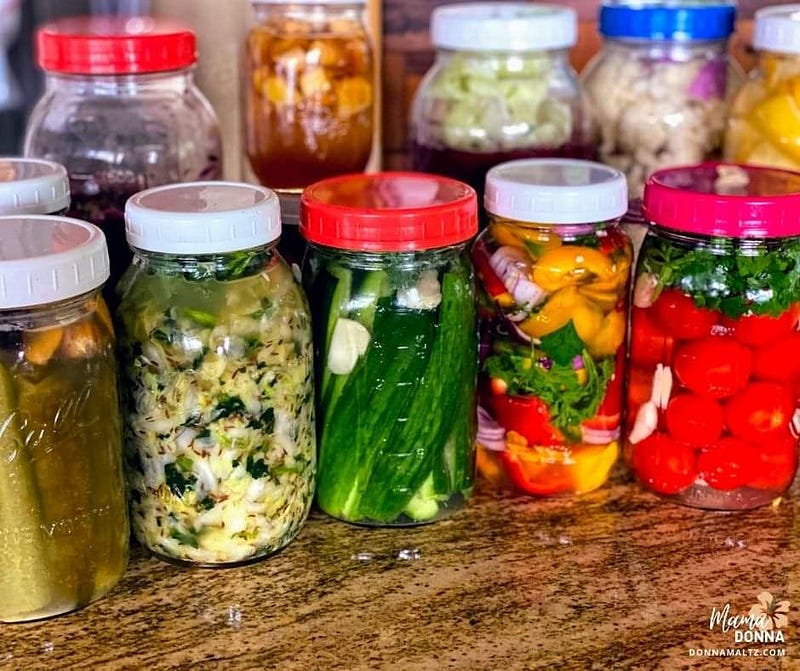
How to restore and improve your gut bacteria
🥕Add fermented foods to your diet
🥕Eat only organic fruit and vegetables from local farmers
😇 Reduce stress
🍅 Reduce or eliminate processed sugar and processed foods
🤟🏽 Stay healthy so you can avoid antibiotics if possible
🌏 Get a daily dose of grounding by walking barefoot, or getting your hands in the Soil
🐝 Spend time in Nature and breathe in fresh air.
❌ Never use antibacterial products that have Triclosan as an ingredient.
Covid has perpetrated the use of antibacterial products, such as hand soaps, mouthwashes, cleaning products, cosmetics, and products containing the chemical Triclosan.
According to many reputable sources, including Beyond Pesticides, the antibacterial compound Triclosan has been linked to numerous human health problems. Exposures come mainly by absorption through the skin or through the lining of the mouth. These exposures have resulted in contact dermatitis, skin irritations, and increased allergic reactions, especially in children.
It has been added to many consumer products—including clothing, kitchenware, furniture, and toys—to prevent bacterial contamination. Yes, it is important to be sanitary, but make sure you understand what these products are doing to you and the earth. There are many natural alternatives mega corporations would prefer you not know about.
In Summary: Care deeply about youself and the Earth.
There are more microbes in a tablespoon of healthy Soil than people on Earth. We are made up of the Earth’s elements. 99% of the human body’s mass comprises: oxygen, carbon, hydrogen, nitrogen, calcium, and phosphorus. When the Earth microbiome is healthy, it means we are relating to the Earth and working with the systems and cycles of Nature, and we are healthier. Eat to live.
I hope this post piques your interest to learn all you can about the value of healthy microbes in your gut and in the Earth. My message to you is to get down to Earth, touch the soil, and satisfy your soul.
References:
Does Soil Contribute to the Human Gut Microbiome
Dr. Natasha Campbell McBride - GAPS
🌴 Aloha, New Followers March 21-27,2022✍️
Anjana Samindra Perera, Aparna Gurav, Nidhya Palaniappan, Diana Meresc, Inching Towards Nothing, Kathleen Strickland, Lelwyn Nishal Lawrence, Ameer Hamza, Flynn Hannan, Sarah J Clarke, Createxdigital.
These precious people create beautiful and useful content 👏😊❤️
YOU are Invited
Ever week I interview health professionals change makers and though leaders. Kindly check out my FB group to learn how you can particpate in these incredible educational and uplifting events.
Join our Positive Group
Want a daily dose of positivity and to mingle with other like minded people making a difference in the world? Join our Facebook Group for A Daily Dose of Positivity. Contribute your positive vibration and receive from others. 💕 We all love nature being healthy and living like the future matters.
If you have enjoyed this content, please become a Medium Subscriber and support independent writers making a difference with their words. You can read all my stories and others, night or day ❤️ on the beach or cozy in bed.
♥️ Need some Mama Donna love? Book a complimentary call with me if you’re ready for a break though with you health or career.
🥰 Book a free discovery call ✨ Donna Maltz - Soil To Soul Solutions


