
Mice rewind the aging clock in new Harvard research. How soon humans?
Maybe sooner than you think!
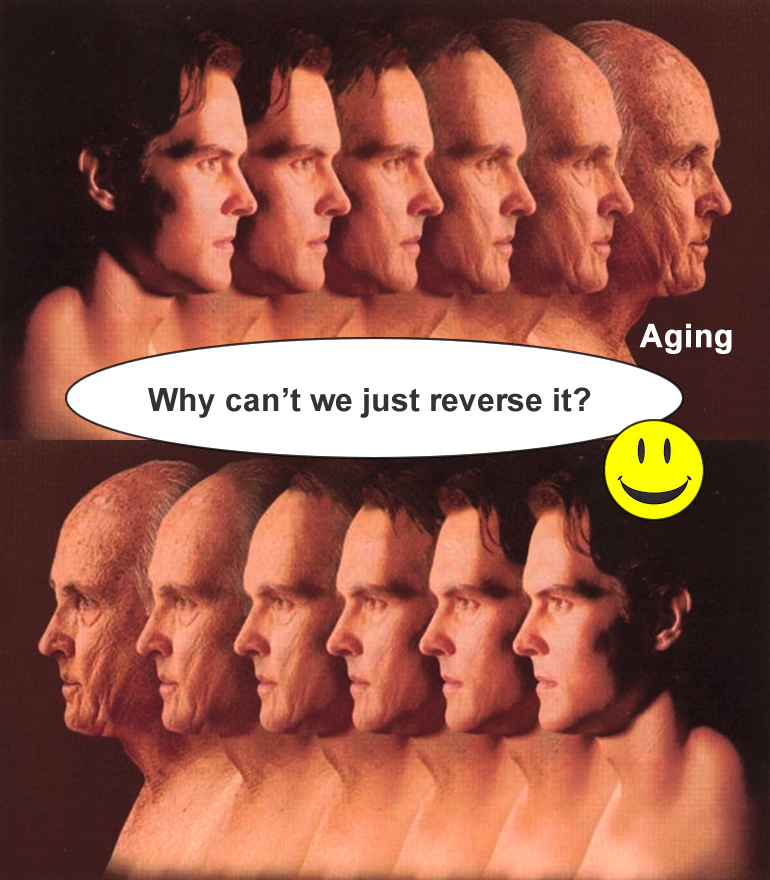
Getting older can mean getting better in many ways. For example, better in knowledge, skill, wisdom, and compassion.
So why can’t we get better in other ways too, areas where we normally decline? For example, better in strength, agility, disease resistance, and memory?
Maybe we can!
One key is to revive the tiny blood vessels that, over the years, do a poorer and poorer job of supporting muscle growth. It’s been done with mice, increasing their exercise capacity by up to 80 percent. Greater increases are possible and human applications are more than a gleam in researchers’ eyes.
Research leader David Sinclair explains why and how it works. He’s professor in the Department of Genetics at Harvard Medical School and co-director of the Paul F. Glenn Center for the Biology of Aging at Harvard Medical School. Click to view:
For technical details, see “Rewinding the Clock” by Ekaterina Pesheva.
While waiting for breakthroughs, what can you do to fight aging NOW?
Exercise, says Sinclair and other experts. It’s the best way to slow aging while science tries to reverse it. Of course, good diet and other healthy habits also keep us going longer, stronger.
# # #
Since 1900 the global average life expectancy has more than doubled. Most of us now have more than 30 “extra years” to spend. We spend too many of them in sickness and disability. Spending them better is the opportunity of our lifetimes.
This alert features Level 3 of Smile Longer: Expect breakthroughs. To review the power of all 4 levels, CLICK HERE.
# # #
For more about living longer better, join the awareness campaign: Smile, You’re Living Longer, which offers timely alerts and partners with positive programs and resources around the globe.