
Mexico: Living on the Edge
Good for your faith
“Crossing the street in this country is an extreme sport!” commented a friend who was finding the ordeal nerve-wracking. As I think about it, living in Mexico is an extreme sport, yet I’ve always claimed such challenges have no appeal for me. But after making this country my home for several decades, I’ve taken the rolls and bumps, and now find it a bit amusing when visitors get freaked out.
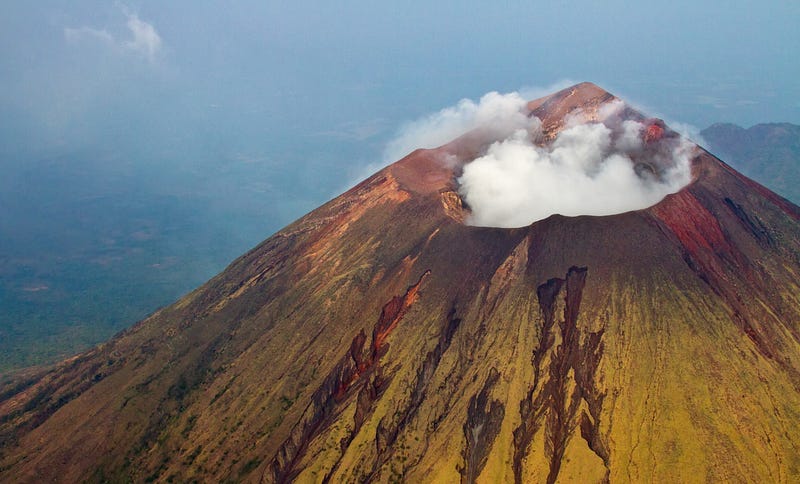
Take the realities of life. We expect earthquakes and have had a few that rattled us quite a bit. We are within view of an active volcano; much as we are told our city is not in great danger from its eruptions, a few times we’ve been overwhelmed by ash covering cars, streets, and vegetation.
“Bugs” are part of the package. Amoebas and other parasites seem to get into your system even if you avoid street fare. Pork that isn’t well-cooked may cause dangerous trichinosis. Some ex-pats automatically take a powerful anti-parasite treatment every year or so just to be sure they don’t have further complications.
In addition, driving is an extreme sport. Getting a driver’s license used to require no test, but that has changed recently; all the same, many drivers hark back to those old times. Regulations differ from one state to another. More recently, a very simple test of 10 to 20 questions is required. One in our state asks whether children are supposed to travel in the front seat, the back seat, or the trunk of the car!
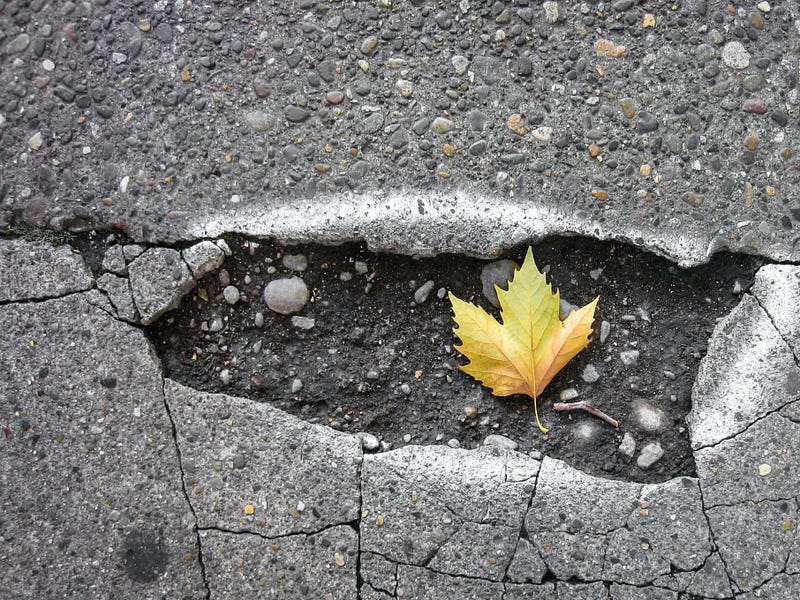
Driver’s education exists, for a fee, but it is by no means a common practice to take it. So when you’re on the road, you run the gauntlet daily and need to be on the defensive at all times. Then, too, the abundant potholes and speed bumps make driving an obstacle course that requires extreme vigilance.
What is taken for granted elsewhere is not, here. The power may go out during a thunderstorm or even when you blow a fuse when using two appliances at the same time. People run out of gas and can’t cook or shower, and the gas truck doesn’t show up.
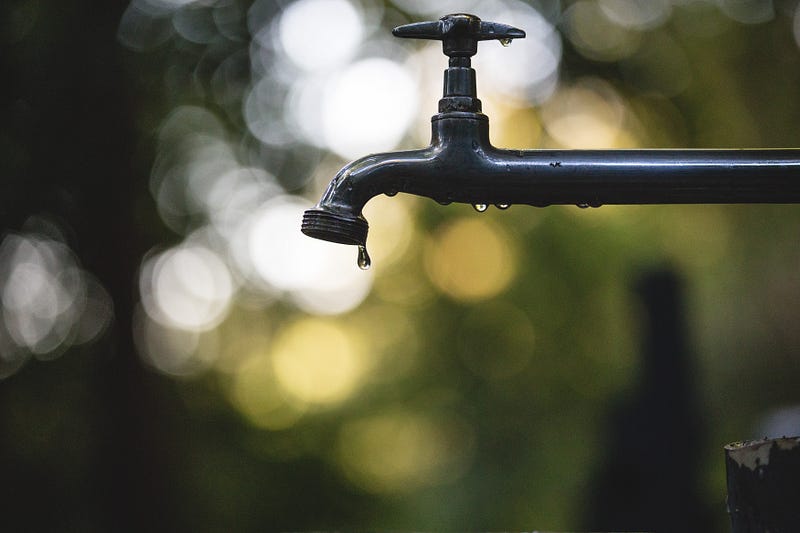
Water in taps is not always a given, depending on where you live and even what day it is. (see my previous article: https://readmedium.com/water-in-a-tap-or-in-a-bucket-learning-to-live-in-mexico-b51ef81658aa )
Just this year, 16 states are facing severe drought. In many areas of Mexico, drinking water must be bought in bottles, which means always remembering to buy more before you run out.
Fortunately, at one point I had my sights on living in a small town where some of these basic utilities would not necessarily be available, so that helps me to do a reality check when I want to grumble. Hey! I remember. This is nothing compared to what it could be!
The other constant reality check is how the vast majority live. The wealthy and even middle classes are often surrounded by their little bubble, unaware of the extreme needs that lie just outside. I remember once realizing that several families in our church (at the time) lived in a single room! That helped me not complain about my limited economy as often.
How could I feel deprived because we didn’t have a car for years, when people may walk kilometers to save a few pesos by not taking the bus? To tell the truth, when times were hard, I used my feet more, too, and benefited from the exercise.
Yes, just making ends meet is part of this lifestyle. Even professionals like me can find there are few well-paying jobs. Part-time teachers generally have no benefits. Having faced times when we couldn’t afford gas for cooking and survived with very simple meals, I have grown.
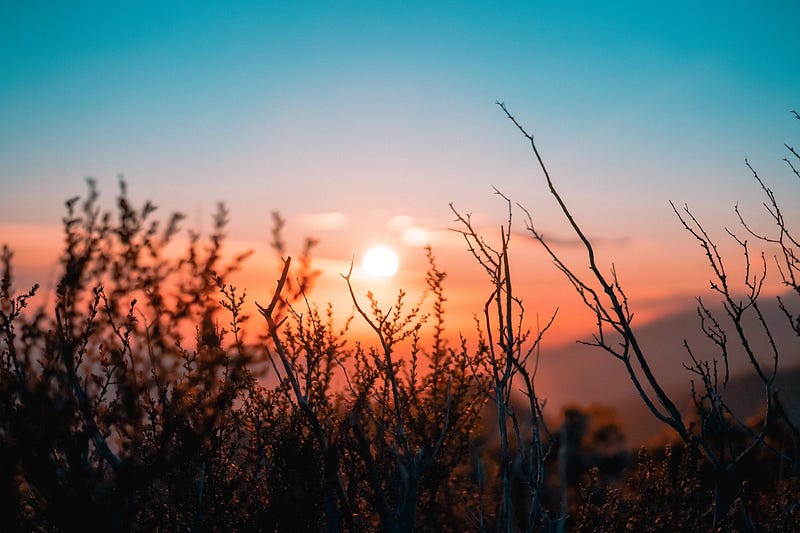
Living on the edge does that. You appreciate the simple blessings all the more: a sunset, a hike with the kids, or an unpretentious meal from scratch. It helps you relate to others whose life is a constant struggle, and they find you more “real” if you know what they go through.
Returning to Canada for a visit helped me realize how living there, one is so much more distanced from the needs and suffering of the rest of the world. If you lose a job, there is the cushion of unemployment insurance. There is more support for the needy and homeless. Okay, blizzards can occasionally wreak hazardous conditions. However, the prevailing sense, at least to those of us who have lived closer to the line, is that comfort –including basic utilities and warm houses — and safety from major disasters are taken for granted.
Living on the edge has its benefits. Above all, it gives faith room to grow. Security is not a given and that means throwing yourself on God’s mercy. Like the apostle Paul, you learn to be content in times of abundance and times of scarcity.
Whether you’re in Mexico or elsewhere, the lesson is similar, for life everywhere hits us with curve balls. Keep those eyes on what’s deeper and higher than all the “material stuff”. Fall into those big arms, those everlasting arms that are there when all else fails.