Summary
The poem reflects on the bittersweet nature of a long-distance love, where mutual affection is overshadowed by the inevitability of separation and the fear of emotional entanglement.
Abstract
The poem "Mermaids are too good to be true" delves into the complexities of a love that is both deep and distant. It portrays a relationship where the speakers, despite their strong feelings for each other, are unable to bridge the gap created by physical distance and personal fears. The water and sea metaphors suggest an overwhelming depth of emotion, yet the speakers acknowledge that their love may never materialize into a tangible, lasting connection. The poem concludes with a nod to another poet, Hilda Carroll, whose work also explores themes of love and longing.
Opinions
- The poem conveys a sense of resigned acceptance of the challenges inherent in long-distance relationships.
- There is an underlying current of melancholy, as the speakers seem to understand that their love is fraught with insurmountable obstacles.
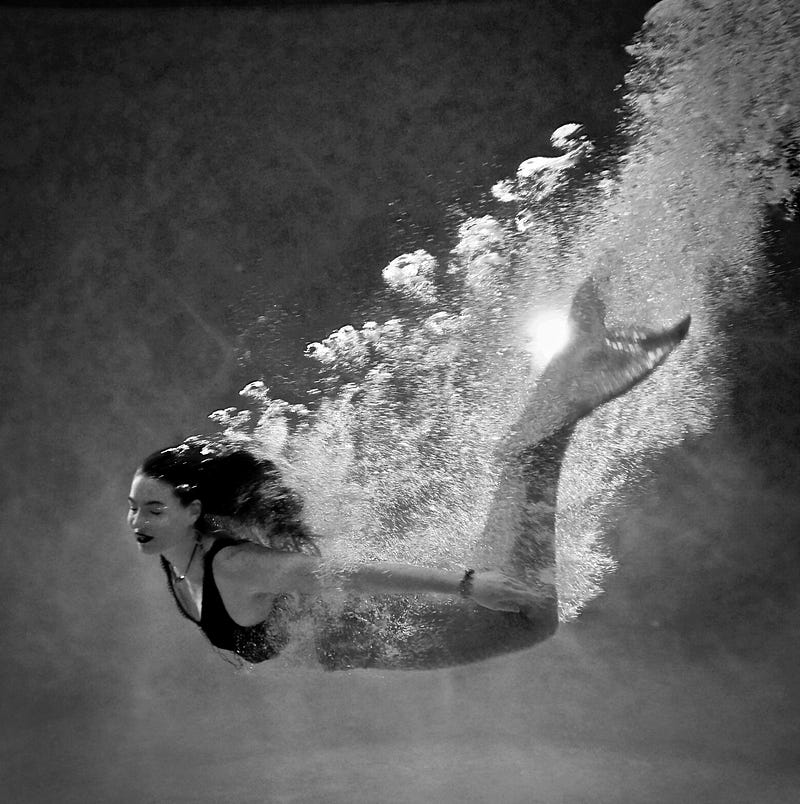
- The imagery used implies that the intensity of their emotions is both alluring and intimidating, much like the mythical allure of mermaids.
- The acknowledgment of Hilda Carroll suggests that the themes of love and distance are universal and resonate with other poets and readers.
- The poem is a reflection on the pain of unrequited love, where one's feelings are not enough to overcome the barriers that keep the lovers apart.