
Mental Health in the Lockdown: Tips on How to Stay Sane
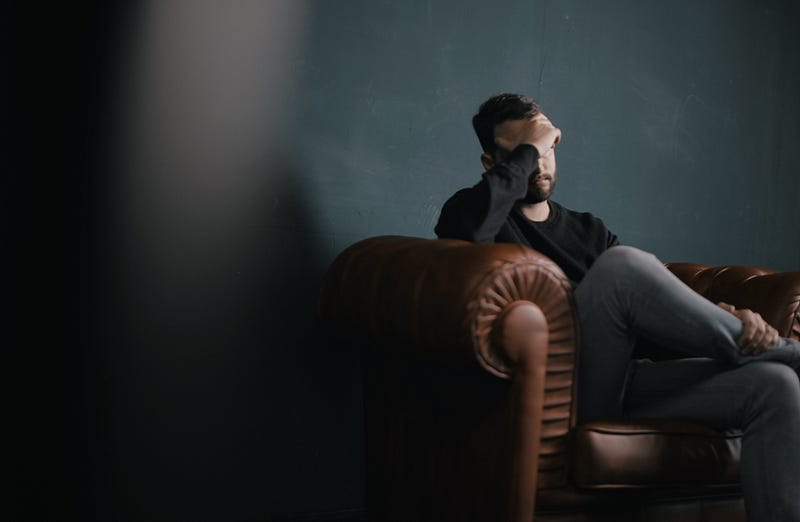
The coronavirus has taken over the minds of the world more than it has our the lungs of our people. COVID-19 related topics have cropped up to such an extent that it feels like we never knew a “before” world that wasn’t impacted by the virus. Everyone’s focus is suddenly disproportionately on maintaining physical health, in particular physical immunity, without much to do about mental health. To top it off, the breadth and volume of information and news related to the disease that the mind is assaulted with (due to content forwarding via social media) is massive.
In this era of information overload, anxiety about the future, the uncertainty of the next course of action related to the virus, and the inability to move out of our homes, it is imperative that we also focus our attention on keeping a healthy mental outlook. Constant fear and anxiety would mean the lesser quality of life, irritability, and obsession leading to a depressed mood.
I’ve curated a list of five simple tips that continue to help me and you can use to tackle virus-related anxiousness and help lessen the fear:
Understand that it is OK to be upset: We’re all grieving the loss of routine, a perfectly happy life or in some cases, a job. It’s okay to be upset about it. You don’t have to pretend to be happy. Let yourself feel the sadness, allow your mind to assess the loss of your previous lifestyle. Talk to your loved ones about the past, about your goals and dreams before the pandemic took over. You have a right to be sad and the best way to deal with sadness is to let the feeling wash over you. You’ll get around to accept the new way of life, eventually.
Keep a watch on what is in your control and what isn’t: Your hygiene, cleaning your masks after you come home from doing essential work, washing your hands periodically, and sneezing into your elbow are some of the things in your control. Things like the healthcare scenario of your country, the level to which the virus spreads in other parts of the nation, and the timeline of the current lockdown are examples of what is out of your control. Focus only on the things that are in your control, and realize that thinking about the things that are out of your control will do no good. If it helps, make a list of things that are in your control and those that aren’t. If you still find yourself thinking about things not in your control, then stop your thoughts by saying the word “STOP”. Practice this again and again, until thoughts related to things out of your control stop coming to you.
Bring yourself back to the present: Every time you catch yourself overthinking things that serve no purpose, try and get yourself back to the moment. One way to do so is to breathe strategically. Take a long deep breath, hold for five seconds, and let it go slowly. Repeat this step fifteen-twenty times until you can feel the calm take over you. You can do this exercise every time you feel like you’re panicking or experiencing high levels of anxiety. If you can’t hold your breath for five seconds, you can just do deep breathing for ten minutes.
Find ways to physically exert yourself, every day: Apart from helping you remain physically fit, studies have shown that exercise changes your brain chemistry in a way that reduces stress and anxiety. Exercising also releases the hormone endorphin, which causes a boost of happiness. Make it a point to keep your heart rate elevated for 30–40 minutes in a day (sweating is a great thing). There are thousands of YouTube videos to choose from for full-body workouts or simple dance routines that can keep your heart rate up for a set period of time. If that doesn’t work, then walk every day on your roof, balcony or inside your home at a quick pace for 30 minutes.
Practice empathy: Staying cooped up in the house as opposed to going for work is taking a mental toll on all of us. There will be times when your loved ones will be cranky or irritable, maybe unusually so. Give them the benefit of the doubt. It’s tough to not have the freedom to switch off from daily situations by going outside our homes. Remember to forgive your loved ones for their outbursts (and they should forgive yours) even more than normal.
I’d love to hear your thoughts on this piece. You can contact me on @thesanb on Instagram or email or on [email protected]