
Mental Health and the Athlete: The Importance of Mental Wellness in Sports

In the world of sports, the spotlight often shines brightly on physical prowess, strength, and skill. However, there’s an equally important aspect of an athlete’s well-being that’s sometimes overlooked — their mental health.
In this article, we delve into the significance of mental wellness in sports, shedding light on the challenges athletes face and the steps needed to prioritize their mental health.
The Mental Struggles of Athletes
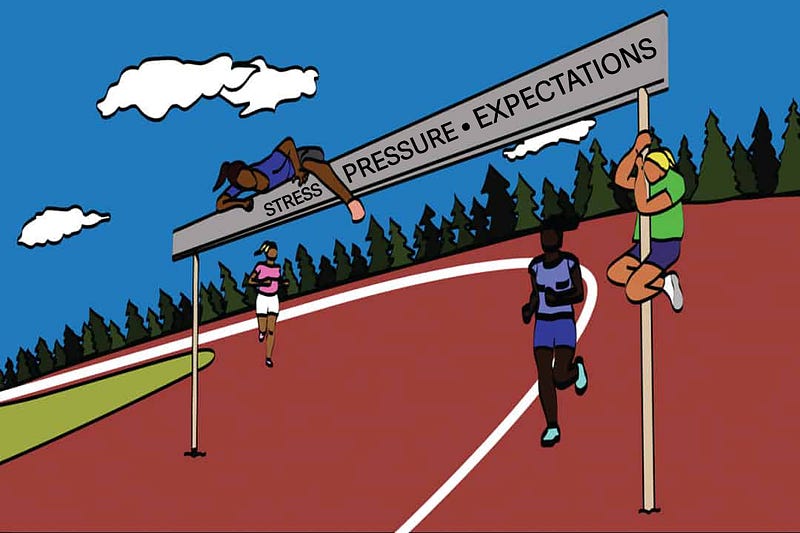
Athletes, whether at the amateur or professional level, encounter a unique set of pressures and stressors that can take a toll on their mental health:
1. Performance Anxiety: The pressure to perform at their best can lead to anxiety, affecting an athlete’s focus and confidence.
2. Injuries and Recovery: Dealing with injuries and the recovery process can be mentally taxing, leading to frustration and anxiety.
3. High Expectations: Athletes often face immense expectations from themselves, coaches, fans, and sponsors.
4. Media Scrutiny: The constant media attention can be invasive and impact an athlete’s mental well-being.
5. Transition and Retirement: The transition out of a sports career can be emotionally challenging, leading to depression and identity crises.
The Stigma of Mental Health in Sports
Despite the mental challenges athletes face, there’s often a stigma associated with seeking help for mental health issues. This stigma can prevent athletes from acknowledging their struggles and accessing the support they need. It’s essential to break down these barriers and promote open discussions about mental health in sports.
The Importance of Mental Wellness
Recognizing the importance of mental wellness in sports is a significant step toward addressing these issues:
1. Performance Enhancement: Mental wellness programs can help athletes develop mental resilience, focus, and confidence, which can enhance their performance.
2. Injury Recovery: Mental health support is crucial for athletes recovering from injuries, helping them stay motivated and maintain a positive outlook.
3. Reduced Burnout: Addressing mental health issues can prevent burnout and prolong an athlete’s career.
4. Life Skills: Mental wellness programs teach valuable life skills such as stress management, coping strategies, and emotional intelligence.

Supporting Mental Health in Sports
To promote mental wellness in sports, several key strategies can be implemented:
1. Education: Athletes, coaches, and sports organizations should receive education on mental health, recognizing signs of distress, and available resources.
2. Access to Mental Health Professionals: Athletes should have access to mental health professionals who specialize in sports psychology.
3. Destigmatization: Efforts should be made to destigmatize seeking help for mental health issues, creating an environment where athletes feel comfortable seeking support.
4. Holistic Approach: Mental wellness should be integrated into the overall training and development of athletes.
5. Balancing Pressure: Coaches and sports organizations can work to strike a balance between encouraging excellence and supporting mental health.
Athletes are not invulnerable to the mental health challenges that affect us all. Recognizing and addressing the importance of mental wellness in sports is a crucial step toward helping athletes thrive both on and off the field.
By breaking the stigma, providing access to mental health resources, and promoting education and awareness, we can ensure that athletes’ mental well-being is prioritized alongside their physical performance, ultimately contributing to their overall success and happiness.