
Men ‘n Mirrors: Some of My Boyhood Encounters with Madness
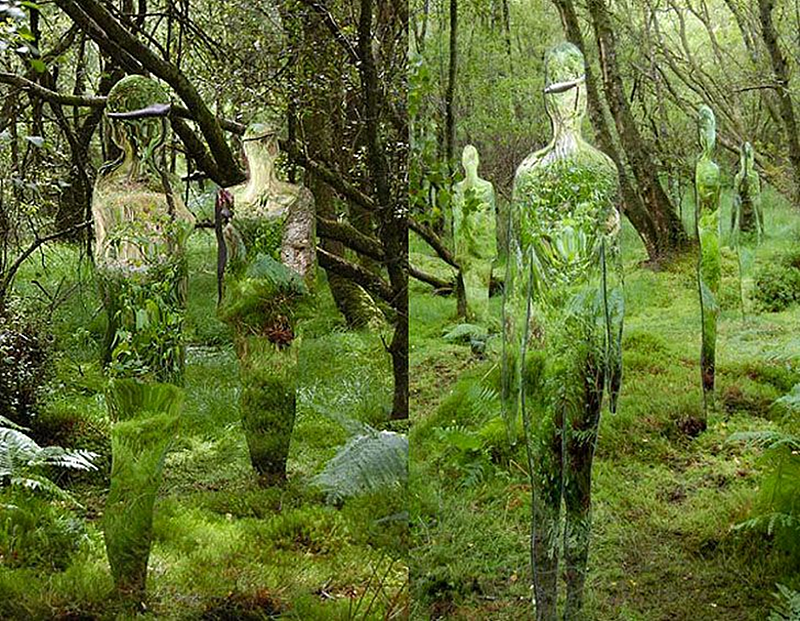
This is an introduction and overview to a seven-part series about four truly unique experiences that defined my life growing up in the Amazon and coming of age in America. These true stories are excerpts from the opening chapters of an unpublished memoir that I (Josh Hammond, creator and editor of At The Break Of Day on Medium) have authored. They have been tailored to fit Medium’s format and to be a shorter, more manageable read. The first two and the fourth stories are presented in two parts each to facilitate easier reading.
The stories describe my childhood encounters between the ages of six and eleven with the chiefs of an indigenous (“savage”) tribe of the Bolivian Amazon, the Ayoré; a shocking in-house encounter with two Nazis officers on the run; and the attempted assassination of a Bolivian Revolution spy on our doorstep that implicated my father in some sort of conspiracy beyond a kid’s understanding.
My father, a petulant parent, is the antagonist in all these stories. He was a fundamentalist evangelical missionary in Concepción, Bolivia, where I was born and raised for the first 12 years of my life. He chose mission over family, and I was then flown off to America, on my own, to “finish” my education, essentially orphaned and left to my own devices.
If you’ve seen the movie The Mission, starring Robert De Niro and Jeremy Irons as Jesuits trying to protect their 18th century mission from the marauding Portuguese, you will see a tribe that was closely related to the one I encountered in some of these stories.
These same Jesuit missionaries established seven permanent churches in the northeastern part of Bolivia that are still functioning to this day. Our village of Concepción was one of them, about 250 farmers, traders, army and essential public service workers, and Catholic priests and nuns to support the cathedral’s services. The only White family within 250 miles was mine, with two parents and two brothers, and our only transportation a Patton-like Willys Jeep — a taxi, ambulance, lead float in local parades, and jungle transport. The city now has paved streets, cars, electricity, and indoor plumbing, but not much else has changed.
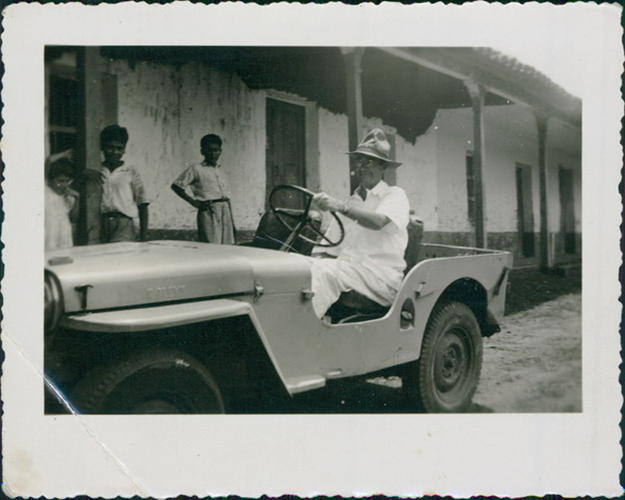
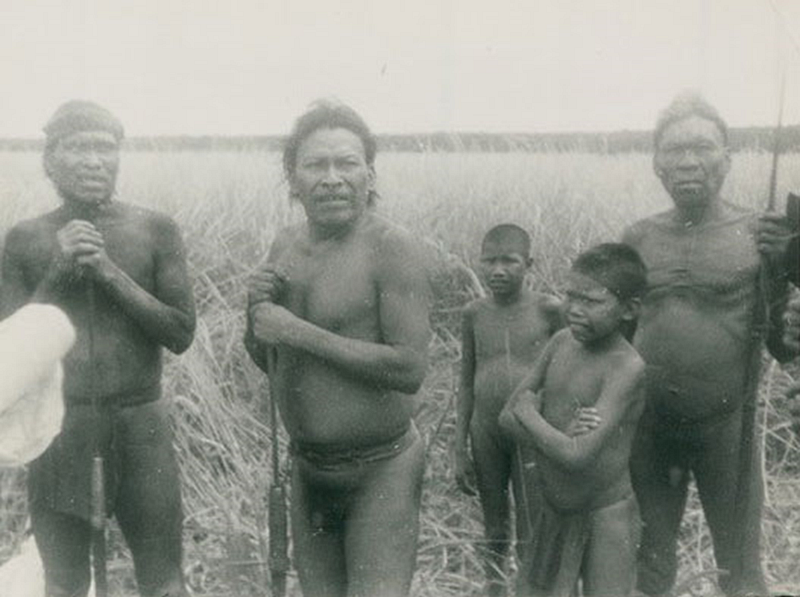
Part 1: Bait — The story of how my father used me in his gambit to contact, clothe, and convert the previously uncontacted native tribe of the Ayoré, pictured below. As they tracked our approach and lurked in waiting on the edge of the Amazon, I was sent out as the bait.
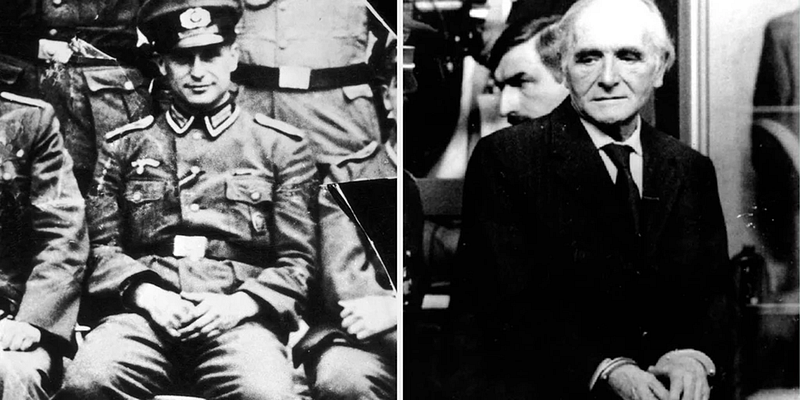
Part 2: Strangers in Our House — The story of how two uninvited “guests,” Nazi officers on the run from their crimes against humanity during WW2, broke into our house to steal my father’s home-made maps of the Amazon jungles and routes to the mica and silver mines of Bolivia. One was most likely Klaus Barbie, the infamous Butcher of Lyon, who changed his name when he came to Bolivia on the Vatican-backed Ratline, fueled by mendacity, money, and murder. A next-door neighbor would grow up to be the dictator of Bolivia and hire Barbie to reprise his role as a butcher of men.
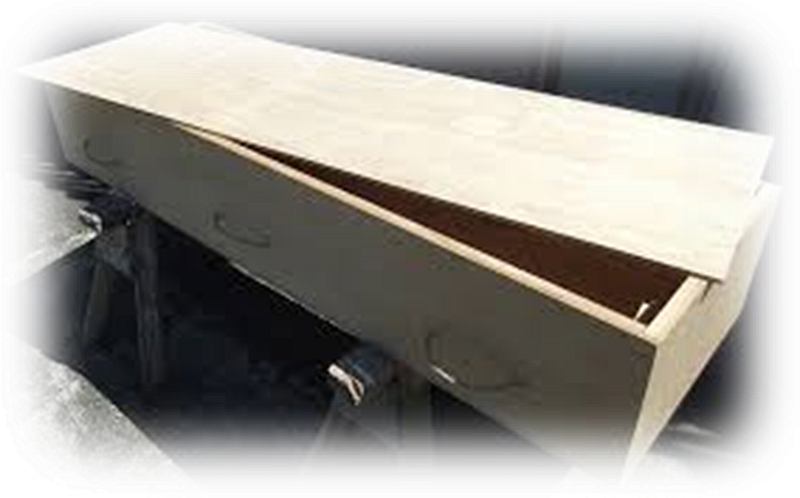
Part 3: The Coffin Man — On Day 1 of the 1950s Bolivian Revolution, a spy on the run was shot in the doorway of our house right on the strategically-placed corner of the plaza. My father “happened” to be there and caught him before he fell, creating the appearance that the assassin, shooting from across the plaza, had missed his target. Like Luke in the 1985 movie Witness, with Harrison Ford in Philadelphia and the Amish country of Pennsylvania, I was a witness to this dramatic opening to the Bolivian Revolution in my village, in the front yard of our house.
Part 4: Men ‘n Mirrors — Several years after the gambit move with the Ayoré in Part 1, I tagged along for a second visit to a much tamer Ayoré tribe. Still naked and not yet converted, they now were more traders than hunters, more curious than calculating, more cunning than confrontational. This is a story of what happens when a native tribe in the Amazon sees themselves in a mirror for the first time. The reflections turn out to be not what you’d think.
As mentioned at the beginning, these stories will be split into seven shorter posts for the convenience of readers, spread out over eight weeks, as follows:
· Bait, Part 1 · Bait, Part 2


