
Men aren’t from Mars and Women aren’t from Venus.
The Psychological Differences Between Men and Women
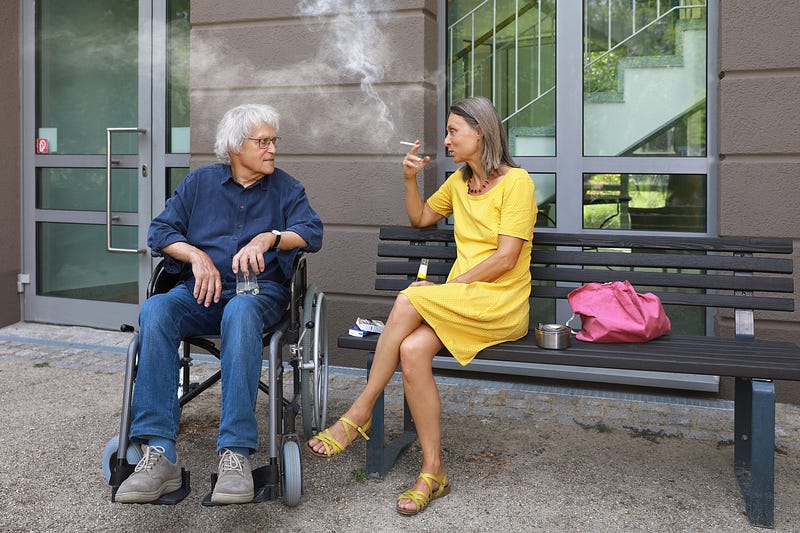
Men and women are the same species from the same planet. But the sexes certainly aren’t the exact same. The differences between men and women are real and important.
Men and women are from the same planet and share the same origin. Yet, nestled within the intricacies of our shared existence are subtle nuances, and psychological distinctions that render each gender uniquely in life.
Let’s discuss the fascinating differences between men and women, acknowledging that while not from separate planets, their psychological landscapes do have diverse terrains.
1. Communication Styles Men and women often engage in communication with distinct styles. Women might lean towards more expressive and detailed conversations, fostering emotional connections. Meanwhile, men might navigate conversations with brevity and directness, focusing on the exchange of information. Women communicate for affection while men communicate for information. Women think emotionally while men take the logical route. Understanding these differences can enhance interpersonal dynamics.
2. Emotional Expression The emotional palette is a shared canvas, but the hues applied vary. Women may paint with a broader spectrum, showcasing a rich display of emotions. Men, on the other hand, might stick to a more muted selection. Recognizing and appreciating these differences fosters empathy and allows individuals to connect on a deeper emotional level.
3. Problem-Solving Approaches When faced with challenges, men and women often take different routes to find solutions. Women may opt for collaborative and empathetic problem-solving, nurturing a collective effort. Men might gravitate towards independent and analytical approaches, seeking a direct route to resolution. Combining these diverse methods can yield comprehensive problem-solving strategies.
4. Stress Coping Mechanisms The stress is traversed differently by men and women. Women may find solace in social connections, sharing their burdens with friends and seeking communal support. Men, on the other hand, might retreat into individual activities or problem-solving endeavours.
Women might choose to talk to destress. Talking and sharing everything that happened at work that day with her partner is a major way to destress for women, but men would rather be left alone after a long stressful day. Recognizing these coping mechanisms allows for a more supportive environment during challenging times.
5. Risk-Taking Tendencies The propensity for risk-taking exhibits variance between the genders. Men might lean towards bolder choices, driven by an adventurous spirit. Women, often more risk-averse, might prioritize safety and stability. These differences contribute to a harmonious balance, ensuring a spectrum of perspectives in decision-making processes.

6. Response to Stress Hormones The biochemical components within the body orchestrate responses to stress hormones differently in men and women. Understanding these variations sheds light on potential health implications and informs personalized approaches to stress management, emphasizing the importance of tailored healthcare strategies.
7. Spatial Awareness Spatial awareness is another way gender differences manifest. Men might showcase enhanced spatial abilities, excelling in tasks requiring mental rotation and navigation. Women, while equally adept, might approach spatial challenges through different cognitive avenues. These differences can foster collaborative problem-solving in various fields.
8. Memory Encoding The encoding of memories unfolds uniquely in men and women. Women may exhibit a preference for detailed and emotionally rich memory storage. Men, on the other hand, might prioritize information that aligns with their goals.
Women have more bandwidth and storage space for details. This is why women do better with detail-oriented tasks, while men perform better with crafting the vision and long-term goal. Recognizing these distinctions aids in effective communication and ensures a more comprehensive understanding of shared experiences.
9. Response to Pain The experience of pain is filtered through distinct perceptual lenses. Women might display a higher pain threshold, often attributed to biological factors. Men, while equally resilient, might express pain differently. Acknowledging these nuances allows for more compassionate healthcare approaches tailored to individual needs.
10. Approach to Competition The area of competition unfolds with unique dynamics. Men might exhibit a more direct and confrontational approach, facing challenges head-on. Women, while equally competitive, might infuse collaboration and teamwork into the competitive scenario. Recognizing and valuing these diverse approaches enriches collective endeavours.
The differences between men and women add vibrancy and depth to the shared human experience. By understanding these distinctions, we experience enhanced empathy, effective communication, and collaborative growth.


