avatarChristian Baghai

Summary

On January 3, 2021, all ten living former U.S. defense secretaries issued a warning about the potential threat to democracy, specifically concerning the military's role in the presidential transition, in an open letter published in The Washington Post.

Abstract

In an extraordinary move, the bipartisan group of former Pentagon chiefs, including notable figures such as Dick Cheney, James Mattis, and Mark Esper, expressed deep concern over the possibility of a military coup to overturn the 2020 election results. The open letter, which directly addressed acting Secretary of Defense Christopher Miller, was published amidst reports that President Trump had instructed Miller to protect demonstrators rallying on January 6. This was followed by a restrictive memo from Miller that limited the autonomy of the D.C. National Guard, requiring his personal approval for any deployment, a decision that was described as "unusual" by Major General William J. Walker. The timing and implications of these orders raised significant questions about the intentions behind the unprecedented constraints placed on the National Guard's ability to respond to civil unrest, especially in light of the subsequent Capitol attack.

Opinions

  • The former defense secretaries were alarmed by the potential for a military intervention in the democratic process, viewing it as a significant threat to American democracy.
  • The letter's direct mention of acting Secretary of Defense Christopher Miller was intentional and indicative of the seriousness of their concerns.
  • President Trump's reported directive to Miller to protect the January 6 demonstrators was seen as a troubling sign given the subsequent events at the Capitol.
  • The memo issued by Miller, which imposed strict controls on the D.C. National Guard, was perceived as an extraordinary and questionable move, particularly as it deviated from standard protocols for responding to civil disturbances.
  • Major General William J. Walker's characterization of the new orders as "unusual" suggested a shared sentiment among military leadership that the restrictions were out of the ordinary and potentially problematic.
  • The context of these events, especially considering the January 6 Capitol attack, led to speculation and inquiry about the motivations and timing of the orders, with many questioning whether they were intended to hinder an effective response to the insurrection.

Memo to Chaos: The Unusual Orders Before the Capitol Siege
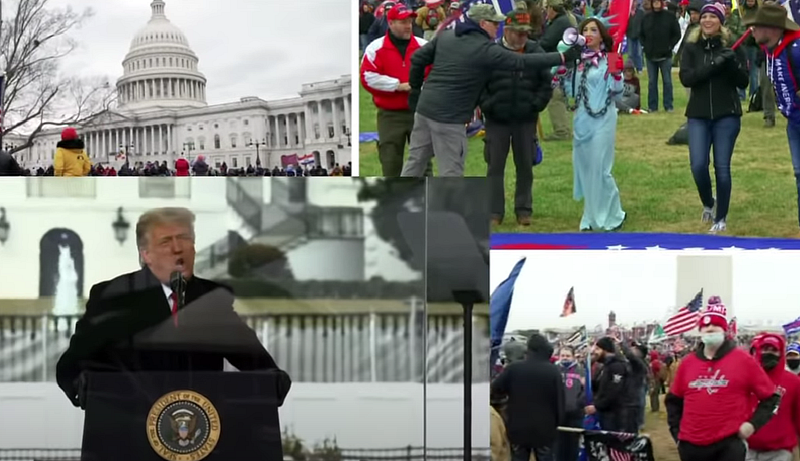
Hey there! Let’s dive into a bit of recent history that feels more like an episode of a political thriller than real life. So, on January 3, 2021, something pretty unprecedented happened. All ten living former U.S. defense secretaries came together to pen an open letter that was published in The Washington Post. This wasn’t your average “congrats on your retirement” kind of letter. Nope, this was a serious “we’re worried about our democracy” alarm bell.

The letter was signed by a bipartisan who’s who of former Pentagon chiefs, including big names like Dick Cheney, James Mattis, and Mark Esper. They were all pretty concerned about the potential for a military coup to overturn the election results. And they didn’t beat around the bush — they called out acting Secretary of Defense Christopher Miller by name, which is kind of a big deal.

Now, here’s where it gets even more interesting. On the same day, President Trump reportedly told Miller to “do whatever was necessary to protect the demonstrators” who were planning to rally on January 6. The very next day, Miller put pen to paper on a memo that seriously clipped the wings of the D.C. National Guard. This memo wasn’t just a small administrative change; it required him to personally green-light any deployment of the Guard.

Major General William J. Walker, the guy in charge of the D.C. National Guard, was used to having the authority to respond to civil disturbances without having to ask for permission. But on January 5, he got new orders from Secretary of the Army Ryan McCarthy that changed the game. Now, he needed explicit approval from McCarthy and Miller before he could make a move.

This shift was so out of the ordinary that after the Capitol attack, Walker himself called it “unusual.” He pointed out that this change meant he had to get authorization from higher-ups just to protect his own troops. It was a move that raised eyebrows and had people asking questions about the intent and timing of such orders.

January 6 2021
Trump
Right Wing
Militia
Civil War
Recommended from ReadMedium