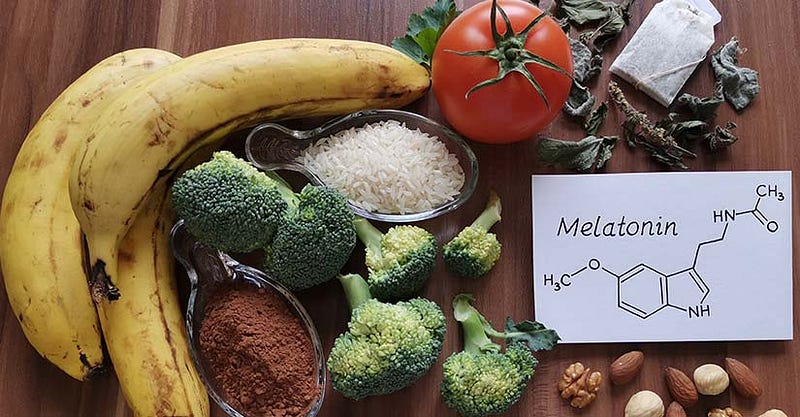
Melatonin and it’s Great Importance in Your Health (Cancer Series on Sleep V)
Especially if you suffer from Insomnia, autoimmune, cancer, fatigue, or poor health in general, you might want to check this out!
It’s imperative not only for sleep, but also for your cells and in particular your Mighty Mitochondria!
Be sure to read to the very end in order to enjoy the references section at the end for resources used to support this article formatted in APA style as well as a ‘You might also be interested in’ section of related articles.
Please also see my about page for my educational background, additional info about me, and any additional disclaimers.
Before we get into that though, I want to stress something first and foremost … whenever we can find natural sources of what our bodies need the better (IMO), and melatonin is no different. Although I know it can and has helped many people in its supplemental form, I have also come across information over the years (as well as both personal and professional experience) of the exact opposite being true. This can in part be true because many forms on the market are synthetic and our bodies don’t really care for that; however, there are ways to naturally increase your melatonin WITHIN the body from our Healthy Sleep Habits as well as from our food!
If you read Combating Insomnia, in general and, from Chemotherapy (Cancer Series, Part I) you know we talked about natural sources of melatonin in foods such as pistachios.
What you may or may not know is that the amino acid Tryptophan is a precursor for serotonin, and serotonin is a precursor for melatonin (2). With that said, by increasing your tryptophan and/or serotonin, you also increase your melatonin — hip hip hooray!!!
Of course serotonin and tryptophan are used for other processes as well, so be sure to do your best not to hinder your body’s natural production of melatonin by establishing healthy pre-sleep and sleep habits (such as not drinking caffeine after a certain time if you are more sensitive).
Please be sure to read to the very end in order to enjoy the references section at the end for resources used to support this article formatted in APA style as well as a ‘You might also be interested in’ section of related articles.
Now, I realize not everyone geeks the bleeeeeeeep out like I do about as many things, and science in particular, buuuuut this article is freaking fascinating and I highly encourage you to read it; however, here is a bit to peak your interest:
“Melatonin is a potent antioxidant and antiageing molecule, is nontoxic, and enhances the efficacy and reduces the side effects of chemotherapy…
…
Melatonin, an effective free radical scavenger, is highly concentrated in mitochondria, which enhances its ability to resist mitochondrial oxidative damage. However, senescence can lead to the deterioration of circadian rhythmicity; thus, it causes disorders in melatonin synthesis. A certain amount of evidence has been accumulated showing that melatonin supplementation counteracts the exacerbating effects of senescence by inhibiting oxidative stress, mitochondrial dysfunction, and inflammation. Various studies have demonstrated that melatonin protected against mitochondrial dysfunction because of its direct free radical-scavenging activity and its indirect antioxidant properties.
Melatonin effectively combats chemotherapy-mediated mitochondrial dysfunction
by increasing the expression and activity of the mitochondrial respiration chain complexes (complexes I and IV), thereby increasing ATP production. When melatonin inhibits oxidative stress, lipid peroxidation is repressed and the mitochondrial membrane structure is protected…
…
Mounting evidence indicates that melatonin exerts a variety of anticancer properties at different stages of tumor progression and metastasis” (1)
Okay, I get that that was a lot, but I think it was worth it! Wouldn’t you agree? Seriously, anytime you want to start reading more research studies, check out PubMed — simply fascinating and such an incredible resource! Also, of course, be sure to check out NutritionFacts.org by Dr. Michael Greger who regularly posts new videos and blogs about the latest research that is oftentimes buried in mountains of research literature.
To better understand the enormity of this information it helps to know a bit more about our cells, how they function, and specifically the importance of the mitochondria. I did write an introductory article,Your Mighty Mitochondria and Why they are so Vitally Important to your Health, Well-being, and…, and I hope to expand upon that more in a follow-up article. Be sure to also check-out Giving your Body an ‘Oil Change’?, as it also talks about our cells (the mitochondria are within our cells), and how to start to keep them healthy.
Hopefully those and this article help to break things down as to how and why our cells, and in particular the mitochondria, are important to our health (so you might want to read those first).
To explain further, the mitochondria have their own membrane (two in fact), and it is vital to the survival of the mitochondria, and therefore our cells and us, that their membranes stay in tact and healthy from the free-radical damage they are continuously exposed to from the process of creating ATP (energy) for the rest of the body. What these, and other, scientific research articles from various studies show, is that the hormone melatonin plays an intricate role in protecting these wonderful little powerhouses with their high antioxidant activity!
Okay, again I have a long quote for you, but just reading the beginning of this article should give you hope about just how important, effective, and potent melatonin is for our bodies, our sleep, healing, various disease (which they list), and our overall health and wellbeing:
“Insomnia is a serious worldwide health threat, affecting nearly one third of the general population. Melatonin has been reported to improve sleep efficiency and it was found that eating melatonin-rich foods could assist sleep. During the last decades, melatonin has been widely identified and qualified in various foods from fungi to animals and plants. Eggs and fish are higher melatonin-containing food groups in animal foods, whereas in plant foods, nuts are with the highest content of melatonin. Some kinds of mushrooms, cereals and germinated legumes or seeds are also good dietary sources of melatonin. It has been proved that the melatonin concentration in human serum could significantly increase after the consumption of melatonin containing food. Furthermore, studies show that melatonin exhibits many bioactivities, such as antioxidant activity, anti-inflammatory characteristics, boosting immunity, anticancer activity, cardiovascular protection, anti-diabetic, anti-obese, neuroprotective and anti-aging activity…” (3)
Read that again, and again. Studies show… anticancer activity!!! This shit just got really fucking real — go home and eat your melatonin rich health promoting foods right fucking now!
Soooooooo, there are Melatonin supplements you can try and for some people they work great. As always, I would just say do your research on the different brands and what it is sourced from, as well as testimonials. I hope you find something that helps :)
How can you naturally increase your melatonin, serotonin, and/or tryptophan???
First, be sure to read the first four of this sleep series as there are already some great foods listed in all of those.
Once again, I am not entirely against animal products. I do, however, strongly suggest organic, grass-fed, pasture raised, hormone and grain free, local farmer if possible, etc., and that you take in a wide variety of sources.
Foods high in tryptophan include (but are not limited to):
- turkey (poultry)
- banana, mango, kiwi, avocado, apples, plantains, plums, grapefruit, tomatoes, pineapple, and more!
- nuts and seeds (especially pistachios, cashews, and almonds)
- beans (soy beans in particular)
- cruciferous veggies & greens (in particular spinach, broccoli, watercress, peas, etc.)
Foods high in serotonin include (but are not limited to):
Many of the same fruits and veggies…
- Bananas, kiwi, plantain, strawberries, pomegranate, passionfruit, plums, pineapple, etc.
- dark leafy greens,
- nuts and seeds
- beans (especially soy)
- eggs
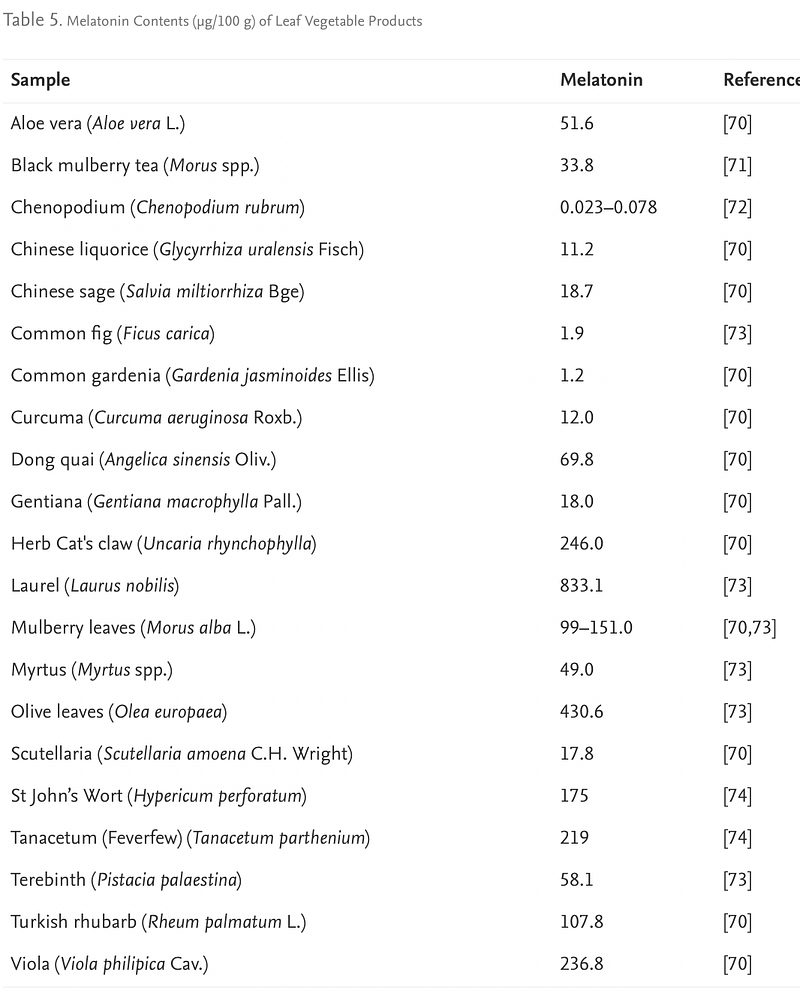
Foods high in melatonin include (but are not limited to):
Many of the same fruits and veggies…
- cherries
- eggs
- fish (I recommend wild pole caught if possible, but that’s me)
- nuts and seeds (pistachios in particular)
- germinated legumes or seeds are also good dietary sources of melatonin (3)
Just for Ss and Gs (Shits and Giggles for those who don’t know), I double checked myself and sure enough “vitamin B6, [Piridoxine], aids in the production of the hormones serotonin and melatonin, both of which are important to sound, restful sleep, and also to mood. There’s a strong correlation between depression and sleep problems” (Best Vitamins for Sleep).
See, I have to take high amounts of B-6 and since I have, I tend to sleep better. Not saying I do not still have my troubles, but compared to what it used to be like, I sleep incomparably better! Sure, there are many other contributing factors, but I know it positively effects me, my mood (less anxious and depressed), and my overall health. It might be worth testing your B-6 levels 🤷🏻♀️
*Just a side not for those going through Chemotherapy, I will have to do more research, but upon initial curiosity, supplementing with additional B-6 shows positives; however, like most things there are potentially cons as well. Soooo check with your doctor, do your research, and per the usual, I would go with high quality food (preferably plant) based sources.*
Because I do need to take B-6, and my nerdiness, I have done some brief research since — you know … for funsies lol. Turns out it is a highly essential vitamin for not just hundreds of functions within the body, but very important functions neurologically. In particular, with our neurotransmitters (like our hormones tryptophan, serotonin, melatonin, GABA, and soooo many more. All of these ones aid in relaxation and improved sleep!).
Neuro — nerve, Transmitter — ‘communicator’ also known as a chemical transmitter or messenger, chemical as in chemistry not as in toxic (although toxic chemicals can mess with all things in our bodies including our brain chemistry). Basically, a neurotransmitter sends signals or messages via a chemical reaction — we can get more into this at another time, but it is crazy awesome none-the-less.
Perhaps needless to say, but I shall say it anyway, there are always things you can do to help yourself, your body, your healing process, and to support all of those things. Never give up hope regardless of what you might be facing — easier said than done sometimes I know, but just know that you have me rooting for you in every corner!
🙏🏼 If you would like to sign-up for a Medium membership, please click this link as it directly helps me, HolisticNerd — you are awesome — thank you, Thank you, Thank You! 🙏🏼
❤ With all the Love, Grace, and hopes for a Better, Brighter, Happier and Healthier tomorrow, as well as to Your Health & Wellness, Happiness, and Well-being. ❤
(Note: Any links/books/etc. mentioned in the article are NOT affiliate links, and I do NOT earn any commission.)
With Love, Light, Prayers and Blessings ❤ Your Idealistic HolisticNerd ~ ❤ Mind ❤ Body ❤Spirit/Soul ❤ ~
You might also be interested in:
References:
- Ma, Z., Xu, L., Liu, D., Zhang, X., Di, S., Li, W., Zhang, J., Reiter, R. J., Han, J., Li, X., & Yan, X. (2020). Utilizing Melatonin to Alleviate Side Effects of Chemotherapy: A Potentially Good Partner for Treating Cancer with Ageing. Oxidative medicine and cellular longevity, 2020, 6841581. https://doi.org/10.1155/2020/6841581
- Paredes, S. D., Barriga, C., Reiter, R. J., & Rodríguez, A. B. (2009). Assessment of the Potential Role of Tryptophan as the Precursor of Serotonin and Melatonin for the Aged Sleep-wake Cycle and Immune Function: Streptopelia Risoria as a Model. International journal of tryptophan research : IJTR, 2, 23–36. https://doi.org/10.4137/ijtr.s1129
- Meng, X., Li, Y., Li, S., Zhou, Y., Gan, R. Y., Xu, D. P., & Li, H. B. (2017). Dietary Sources and Bioactivities of Melatonin. Nutrients, 9(4), 367. https://doi.org/10.3390/nu9040367