
Young Women behind Financial Literacy on Instagram
A new genre of self help gurus emerged on Instagram and goes candid about money matters. Carefully crafted charts, savings schedules, net worth portfolios and personal finance advice are just a few of the valuable gems of finance education proffered to inspire young people to develop better financial habits.
“Take Apple Pay/Google Pay off your phone if you find it makes you spend more easily (many say it does!)” and “Never let your web browser auto-fill your card details like they do with passwords.It makes it too easy to buy when your details just pop up automatically.” posted Emma Edwards of @the.brokegeneration.
Advising her followers about recognising their own spending behaviour, releasing holiday countdown savings templates, infographics about topics such as “dollar cost averaging in investing” are all part of her impeccably designed collection of posts on the photo-sharing platform.
She came highly recommended on a financial literacy Facebook group for women, called She’s On the Money, another proof the millennial generation isn’t merely obsessed with consumption, avocados brunches and Afterpay. Instead we are taking control of our finances, starting retirement funds at an early age and investing.
With the introduction of the new “Shops” tab on Instagram, reflecting their attempt to break into the $3.35 trillion ecommerce industry, the growing finance community on the platform has a huge amount of untapped potential to make everyone redefine their relationship with money.The social taboos of talking about one’s money matters have eroded, inspiring young adults looking to aspire to financial independence.
Motivation for taking control of your finances, @thebrokegeneration

British-born Emma Edwards, a marketing grad now based in Melbourne, creates a mixture of relatable, funny reels documenting the outcomes sticking to her budget, infographics about navigating healthy consumer habits, pros and cons about different loans help her community of over 36 thousand followers improve their financial literacy.
Her bite-sized, easily digestible infographics are simple to comprehend, carefully designed to inspire everyone of their potential to discipline their own spending habits through her Holiday Countdown savings template. Her How-To posts about rebalancing budgets, and cutting out unnecessary purchases are deemed necessary for our society which preaches mass consumption.She also includes anecdotes from her own journey from making money through her side businesses. What makes her stand out, is her inclusion of behavioural management in her advice. Examples such as mapping out expectations of money management against how it actually happens not only adds humour, and helps her audience build confidence to reach their financial goals. It’s her realistic approach which makes her so well-received in the community.
Financial Freedom Inspiration, @tashinvests
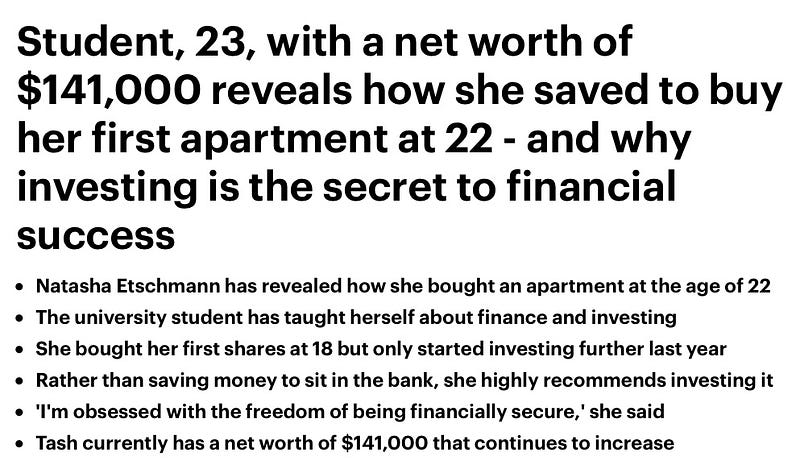
Natasha Etschmann, the 23 year old behind @tashinvests posts about her journey towards financial freedom.She was featured in an article in the Daily Mail UK about buying her first apartment at the age of 22 with two part time jobs.
“Follow my journey to financial freedom” is stated in her Instagram introduction.
What exactly is financial freedom?
Financial freedom occurs when one has enough savings and income for expenses to allow work to be optional.
“I’m obsessed with freedom that comes with being financially secure. The freedom that allows you to work less, travel the world and make life choices based around what you want to do, not what you need to do to survive.’’ she told FEMAIL
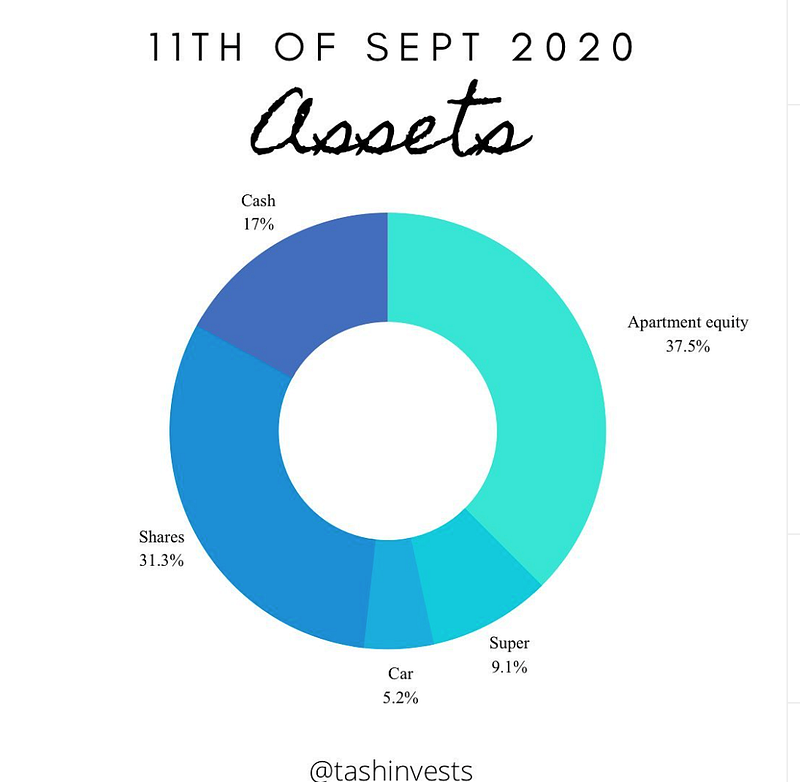
Her account tracks her progress, and her audience sees her expenditure, investment portfolio and net worth carefully broken down by percentage with the use of colourful charts. Every month, there are updates of her growing net worth and what it comprises of.Natasha’s transparency about her $141k net worth, which includes her impressive achievement of buying an apartment at the age of 23, has inspired a lot of young women to follow in her footsteps. Recommendation of Westpac’s high interest 3% p.a. Savings account, in addition to her speaking up against working with a BNPL ( Buy Now,Pay Later), company ups her trustworthiness. Her tried-and-trusted methods such as planning a holiday budget,or communicating the inability to afford certain gifts may seem simple,but goes a long way in meeting long term financial goals.
Learning how to invest, @girlsthatinvest

New Zealand based @girlsthatinvest, are the team behind a Moneyhub rated Top 10 Business Podcast in New Zealand. Sim and Sonya features easy-to-read financial jargon being broken down for beginners. The lack of pretentiousness and condescension makes them the perfect fit for people who are too intimidated to participate in investing. Humour is utilised, namely the description of blue-chip stocks being “the type of stock your parents would want you to marry” makes them stand out.
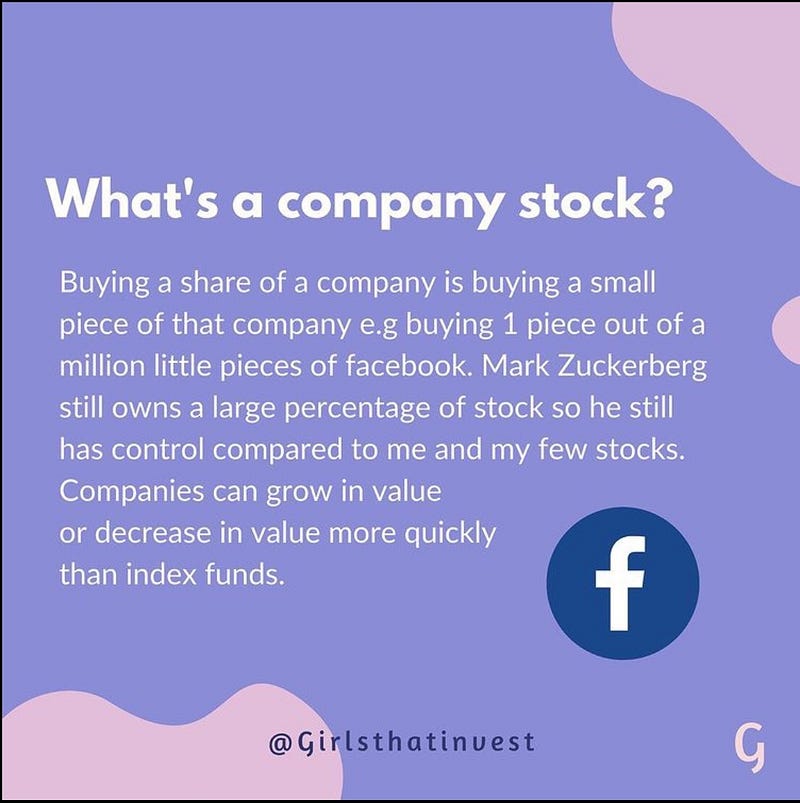
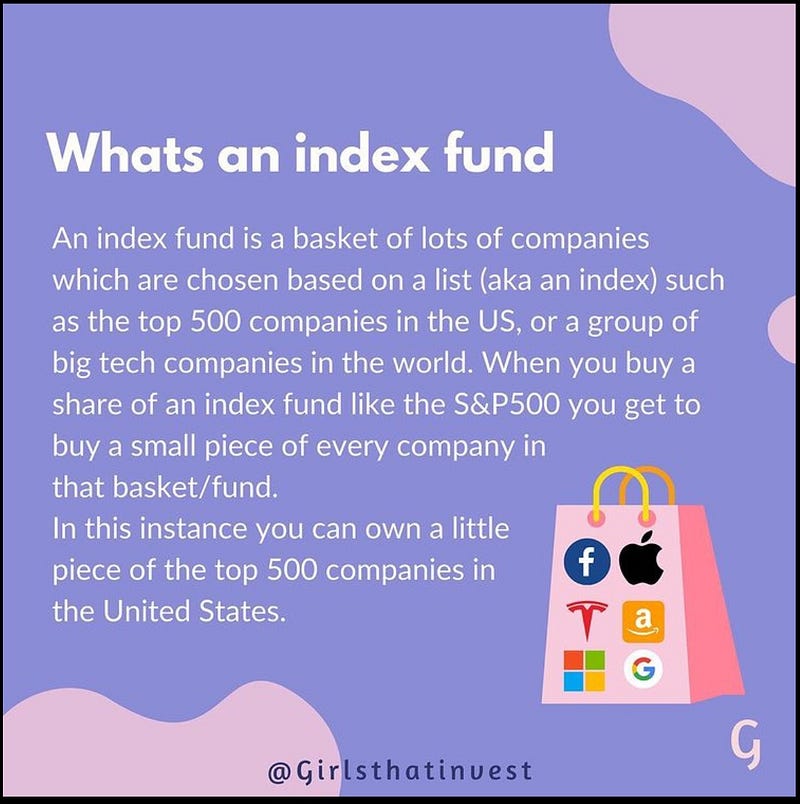
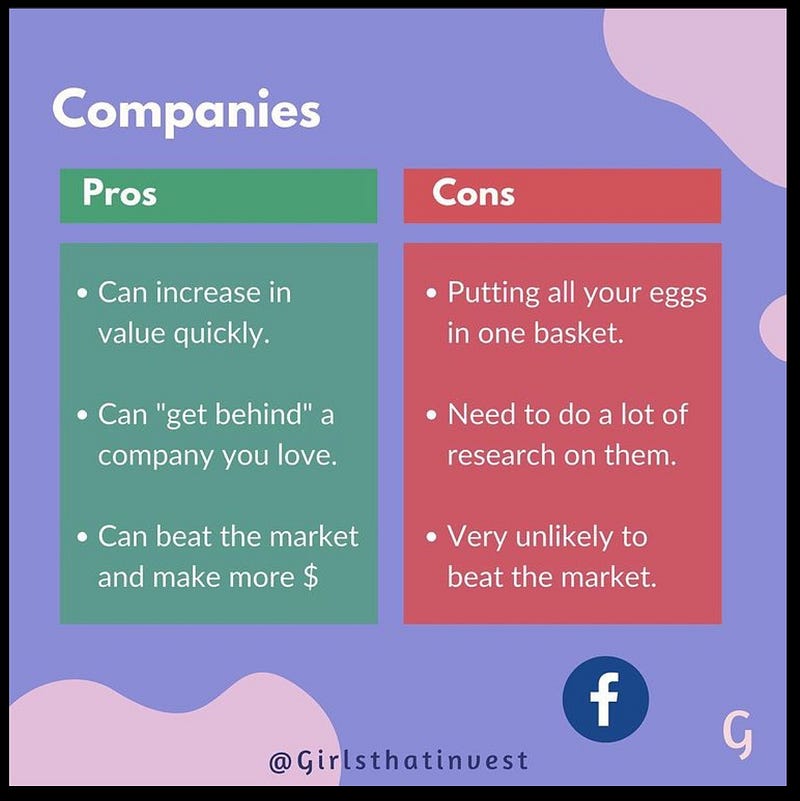
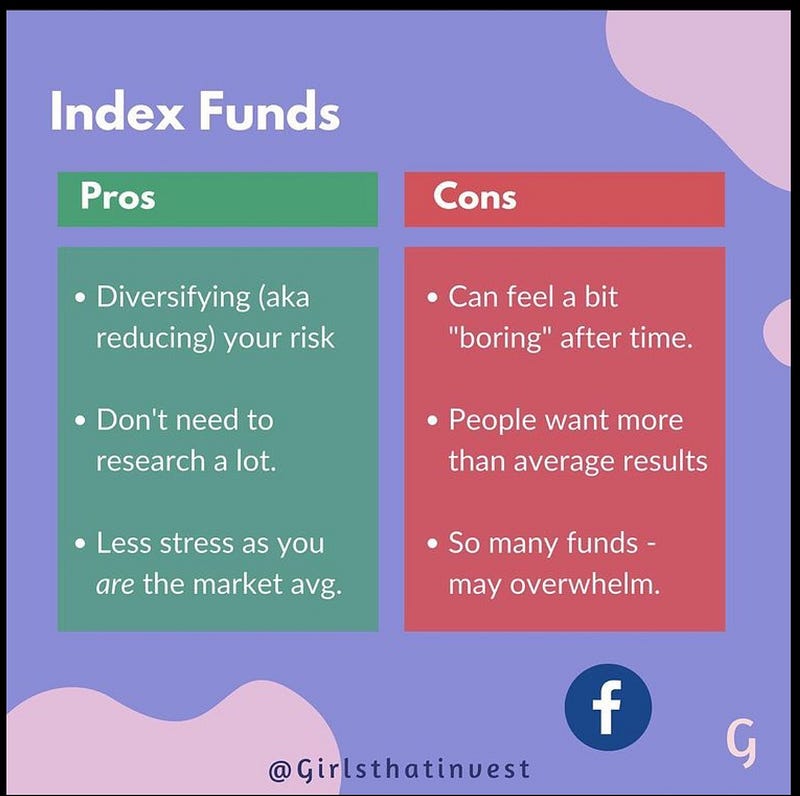
The carefully designed infographic describing the differences between an index fund and a share for their audience is helpful, with enough information to not overwhelm, similar to their podcast. The episodes describes their own investment strategies and mistakes they have made in their past, such as panic-selling without taking brokerage fees into account. In addition, they discuss what ESG investing and cryptocurrency are. All of these give Sim and Sonya a “big sister” demeanour, which encourages women to overcome self doubt and start investing.
The growing significance of online money-matters advice are bringing financial literacy into social media mainstream, forcing us to redefine our relationship with money. It has improved accessibility to information for people, and having an online community inspires people to take control of their own finances. The pandemic has already led to an improvement in people’s savings, and the influence of personal finance content creators is here to stay.
Glossary :
Dollar-cost averaging : Dollar-cost averaging (DCA) is an investment strategy in which an investor divides up the total amount to be invested across periodic purchases of a target asset in an effort to reduce the impact of volatility on the overall purchase. The purchases occur regardless of the asset’s price and at regular intervals; in effect, this strategy removes much of the detailed work of attempting to time the market in order to make purchases of equities at the best prices. (Investopedia)