
Meet Other Learners
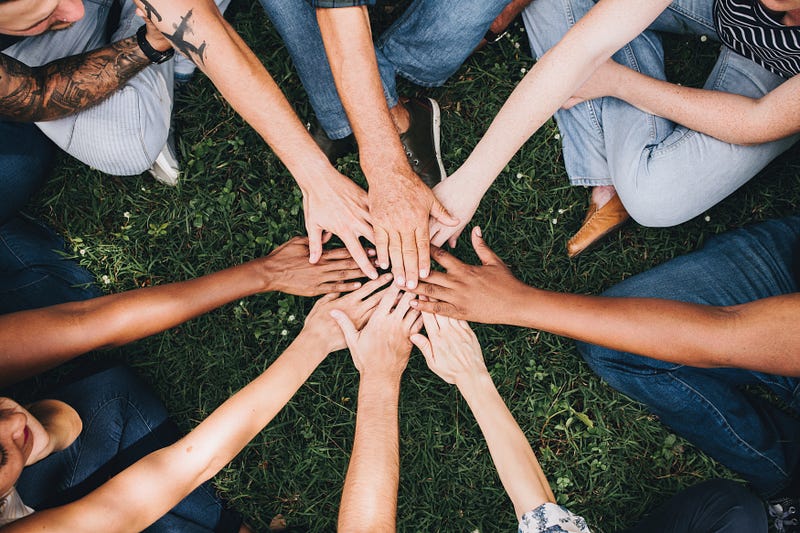
Learning a Language is a task that cannot be accomplished entirely on one’s own. To learn any language, you will need at one point to meet some people and exchange in order to figure out your weaknesses and sometimes to pass the plateau you may find yourself in.
We often believe this to mean that we need to meet native people of the target language in question, but in reality, we also need to meet other learners.
Obviously, meeting or exchanging with native people is crucial in order to get the language’s rhythm and get on the spot corrections from time to time.
However, meeting other learners is equally important. There are 2 types of “others learners” so let’s analyze the importance of each:
1) Learner of a different language
While not obvious at first, meeting any language learner at all is already almost all you need. Indeed, the biggest challenge for a language learner is to keep the motivation high. Going through the plateau, the loneliness sometimes accompanying the learning process and such can be hard and finding someone who goes through the same difficulties will help in finding the stimulus needed to keep going.
Furthermore, you can then exchange about the learning style of a different language. Whereas the study of languages in itself is rather similar for all languages, there are usually some aspects that need a different approach for X or Y language.
For instance, Korean and Japanese have very different polite ways of talking and as such it is important to dig deeper on this aspect in order to speak either well. For European languages, while this is not often put forth much, there are cases for which a polite way of expressing thoughts becomes very different from “standard” language. Listening to how one learned the politeness levels in Korean or Japanese may thus bring more ideas in how to tackle it in French for example.
2. Learner of the same language
Obviously meeting someone learning the same language as you is very useful in keeping the motivation high but if the difference of levels is too high or if the person started learning later than you but is better at it, depending on your mindset, you may end up losing motivation. For this reason, I do not think this should be a way to keep the motivation high that we should be looking for here.
However, learning the same language means going through the same stages, learning the same things and having the same hardships. You can thus make this an opportunity to exchange tips and resources for said language.
You can also exchange in this target language and thus correct each other as one may have already made a similar recurring mistake that the other does. Learning through experiencing is the best way to improve and natives are great for this as well, but there are mistakes which aren’t big enough to disturb a conversation’s flow. In such cases, the native person will usually let it go and you can end up repeating the same tiny error time after time. Another language learner aware of said mistake, on the contrary, will mention it to you so that you can avoid letting it cement and repeat it over and over again.
Meeting any learner, whether of the same language or not will always be a feat that you should appreciate and use to your best advantage. Learning anything, and especially a language, cannot be done alone entirely. We are all aware of this but often turn our back to learners of other languages, thinking that it has nothing to do with the one we’re learning.
In reality, we can all learn together and motivate each other, so get out there and meet other people!


