avatarCD Richardson

Free AI web copilot to create summaries, insights and extended knowledge, download it at here

2381

Abstract

y much. This is baffling to me.</p><p id="fe9f">I joined Medium in an effort to build some sort of online presence.</p><p id="0ae6">After finishing a 75,000-word memoir about my kooky family and atypical childhood, I spent months submitting query letters and sample pages to dozens of literary agents. From most, I received either a form rejection letter or nothing at all.</p><figure id="8c02"><img src="https://cdn-images-1.readmedium.com/v2/resize:fit:800/1*p2sHWiV7xDPIPlvlXGBS1Q.jpeg"><figcaption><b>I received quite a few form rejection letters.</b></figcaption></figure><p id="6da1">But a few well-known agents actually took the time to write me personalized and constructive responses. I know from researching these agents that they only send such responses to near misses or authors they wish to encourage. They were still rejections, but I was excited and flattered all the same.</p><p id="009b">I received three personalized responses, and they all had one thing in common. They mentioned the need for an online presence. A means of promoting your work. According to these agents, books from unknown authors are hard to sell.</p><p id="595e">The following is a quote from a Medium article by <a href="undefined">Benjamin Sledge</a> entitled<b>, The Traditional Publishing Model Sucks (and I would know):</b></p><blockquote id="f2ba"><p>· Publishers only spend <b><i>2% of their revenue</i></b> on marketing.</p></blockquote><blockquote id="b0e1"><p>· Of the 58,000 trade titles published per year, half of those titles <b>sell less than a dozen copies</b> (<i>insert slack jaw here</i>).</p></blockquote><blockquote id="c4a6"><p>· 90% of titles sell fewer than 2,000 copies.</p></blockquote><p id="a914">Benjamin’s article is a real eye-opener for anyone interested in having their work published. You can read the entire article here:</p><div id="5912" class="link-block"> <a href="https://writingcooperative.com/the-traditional-publishing-model-sucks-and-i-would-know-82aa1e598196"> <div> <div> <h2>The Traditional Publishing Model Sucks (and I Would Know)</h2> <div><h3>Welcome to the industry of massive disappointment</h3></div> <div><p>writingcooperative.com</p></div> </div> <div> <div style="background-image: url(https://miro.readmed

Options

ium.com/v2/resize:fit:320/1*P7T44RMId6HauVaTVmyrlw.jpeg)"></div> </div> </div> </a> </div><p id="2d96">Since many writers tend to prefer solitude and seclusion, it stinks that literary agents and publishers are now overlooking authors who don’t “put themselves out there.” So many artistic types are “on the spectrum” to varying degrees, or are otherwise socially awkward — making things like networking and self-promotion very difficult.</p><p id="70fa">I realize that getting a book deal has always been a long shot, but forcing a typically anti-social group of people to be their own cheerleaders seems harsh. Especially since most traditionally published authors make less than 10% of the book sales.</p><p id="ec1d">When I started to weigh the pros and cons of traditional vs. self-publishing, one of the biggest pros for traditional would have been the promotional aspect. This was before I realized that publishing houses barely promote first-time authors. The authors who need it the most.</p><p id="32e3">If an author has to do most of their own promotion or pay someone else to do it for them, I can see why so many authors are opting to self-publish these days. What a shame.</p><p id="70bf">In spite of my sourpuss attitude, I’m glad to be on Medium.</p><p id="17ae">I do consider it social media. A bit more sophisticated, but still social media. Social media for the anti-social. The addictive aspect is certainly there, but Medium seems more intelligent and much more interesting than other options. During my first five weeks on Medium, I found many thought-provoking and humorous tidbits to share with my husband.</p><p id="84c3">While I joined Medium for the sole purpose of trying to be more attractive to agents, I’m gaining more than I expected. Sharing my writing outside of my family is nice, but it’s just as nice to read the work of other Medium writers. I find myself enjoying a variety of topics. Topics that wouldn’t normally catch my eye. I also love how interactive, supportive, and welcoming most people are.</p><p id="eb62">So thank you fellow Medium writers.</p><p id="366b">From the bottom of my cynical, yet pleasantly surprised heart.</p><figure id="fbd5"><img src="https://cdn-images-1.readmedium.com/v2/resize:fit:800/1*_dwhypAwI-lPopgpnGbKFQ.jpeg"><figcaption></figcaption></figure></article></body>

Medium, Social Media For the Somewhat Anti-Social

Consider this sourpuss charmed
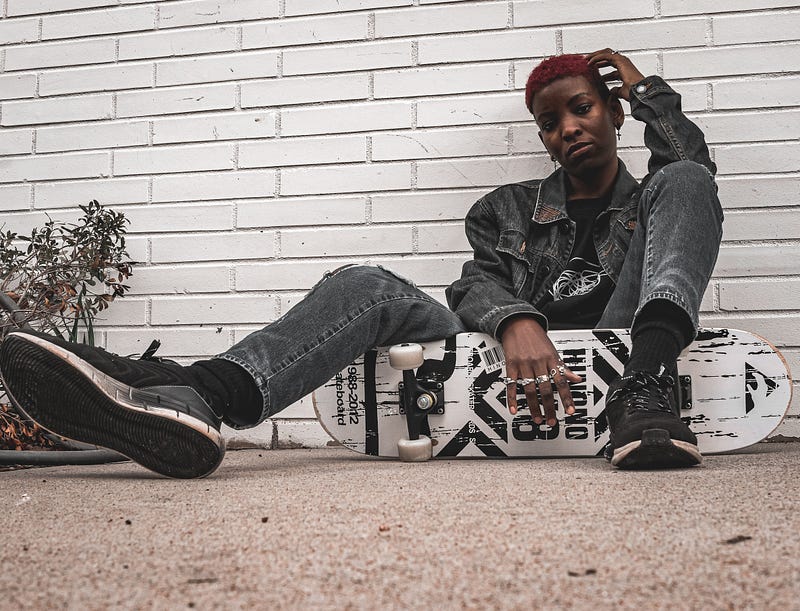
Most writers are not social butterflies. Photo by Jakayla Toney on Unsplash

I’ve never been interested in social media. This is partly due to the long-term relationship I have with my husband. He and I have been together since 2007 and we are both haters and technophobes. Had I been single when social media exploded, I may have given it more of a chance.

Years ago, at the prompting of friends, I did stick my toe in the Facebook waters. I created a basic profile with the barest of information and no picture. Having a name as common as mine made it easy to remain anonymous.

Facebook was troubling to me. I hated seeing friends that I thought were above such vanity, post twenty-some-odd photos of their new haircut, new jeans, or whatever else they thought the world needed a slideshow of.

Check out my new haircut! Make sure you look at the entire photo series, because in each shot, I change my facial expression a bit. You’ll see sexy, coy, demure, sassy, and moreall with my new haircut!

I would much rather take in my surroundings than take selfies. Photos by George Dolgikh on Pexels

There were times when I struggled to remain friends with people after seeing their Facebook pages because I was disappointed by how fake they seemed. I remember thinking, “Who in the fuck do you think you are? Why would anybody give that much of a shit about your hair — or your lunch — or your car? Why is a lengthy exhibition of subtle variants necessary?”

I’m obviously the weirdo, though. People do care. And they seem to care very much. This is baffling to me.

I joined Medium in an effort to build some sort of online presence.

After finishing a 75,000-word memoir about my kooky family and atypical childhood, I spent months submitting query letters and sample pages to dozens of literary agents. From most, I received either a form rejection letter or nothing at all.
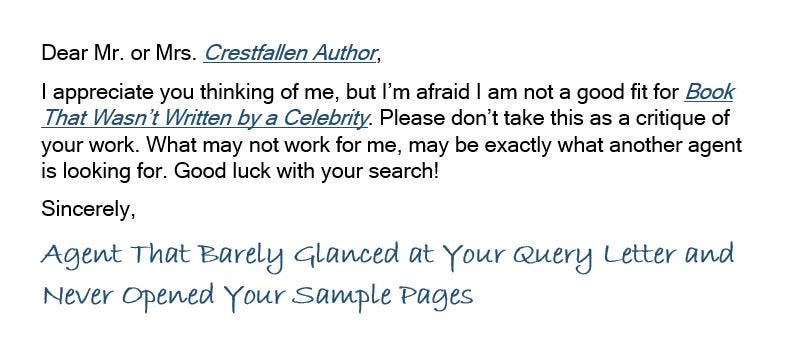
I received quite a few form rejection letters.

But a few well-known agents actually took the time to write me personalized and constructive responses. I know from researching these agents that they only send such responses to near misses or authors they wish to encourage. They were still rejections, but I was excited and flattered all the same.

I received three personalized responses, and they all had one thing in common. They mentioned the need for an online presence. A means of promoting your work. According to these agents, books from unknown authors are hard to sell.

The following is a quote from a Medium article by Benjamin Sledge entitled, The Traditional Publishing Model Sucks (and I would know):

· Publishers only spend 2% of their revenue on marketing.

· Of the 58,000 trade titles published per year, half of those titles sell less than a dozen copies (insert slack jaw here).

· 90% of titles sell fewer than 2,000 copies.

Benjamin’s article is a real eye-opener for anyone interested in having their work published. You can read the entire article here:

Since many writers tend to prefer solitude and seclusion, it stinks that literary agents and publishers are now overlooking authors who don’t “put themselves out there.” So many artistic types are “on the spectrum” to varying degrees, or are otherwise socially awkward — making things like networking and self-promotion very difficult.

I realize that getting a book deal has always been a long shot, but forcing a typically anti-social group of people to be their own cheerleaders seems harsh. Especially since most traditionally published authors make less than 10% of the book sales.

When I started to weigh the pros and cons of traditional vs. self-publishing, one of the biggest pros for traditional would have been the promotional aspect. This was before I realized that publishing houses barely promote first-time authors. The authors who need it the most.

If an author has to do most of their own promotion or pay someone else to do it for them, I can see why so many authors are opting to self-publish these days. What a shame.

In spite of my sourpuss attitude, I’m glad to be on Medium.

I do consider it social media. A bit more sophisticated, but still social media. Social media for the anti-social. The addictive aspect is certainly there, but Medium seems more intelligent and much more interesting than other options. During my first five weeks on Medium, I found many thought-provoking and humorous tidbits to share with my husband.

While I joined Medium for the sole purpose of trying to be more attractive to agents, I’m gaining more than I expected. Sharing my writing outside of my family is nice, but it’s just as nice to read the work of other Medium writers. I find myself enjoying a variety of topics. Topics that wouldn’t normally catch my eye. I also love how interactive, supportive, and welcoming most people are.

So thank you fellow Medium writers.

From the bottom of my cynical, yet pleasantly surprised heart.
Life
Social Media
Culture
Medium
Life Lessons
Recommended from ReadMedium