Meditation and Psychedelics as Tools for Journalists
In the age of COVID-19, journalistic integrity is more important than ever. A global pandemic, a defiant president, and the prevalence of misinformation on social media have created a breeding ground for conspiracy theories, fear, and division. Journalists are tasked with seeking the truth and presenting it in a way that is both compelling and compassionate.
If journalism is to stay relevant in the Digital Age, reporters must find ways to recognize their own biases and work with them in ways that encourage healing rather than harm. Every person, including journalists, has opinions. The problem for journalists is when those opinions turn into presumptions and those presumptions guide their reporting.
In their book, Blur, journalists Bill Kovach and Tom Rosenstiel stress the idea of “portable ignorance”. The term was used to describe Homer Bigart’s reporting on the Vietnam War. Bigart would approach a scene or interview as if he knew nothing about it. He freely asked numerous questions about any detail. Bigart was not afraid to ask questions that may have made him appear stupid or uninformed. He questioned every answer he was given. This quality allowed Bigart’s reporting to remain untainted by his own predilections or the opinions of others.
Blur does not mention if Bigart was born with this super-power or if he worked to cultivate it. Meditative practices and the use of psychedelics are two ways that journalists today might be able to develop their own portable ignorance.
Mindful Reporting
Mindfulness meditation is having a moment. In recent years corporations like Google, Apple, and Nike have implemented mindfulness programs to boost productivity and creativity. Mindfulness meditation originated in the Buddhist tradition. Many modern meditation teachers have extracted this ancient practice from its spiritual context which has made mindfulness more attractive to our increasingly secular society. The simplicity of mindfulness meditation has also contributed to its popularity. A practitioner needs only to follow their breath and become aware of their thoughts. This practice can be done anywhere, anytime.
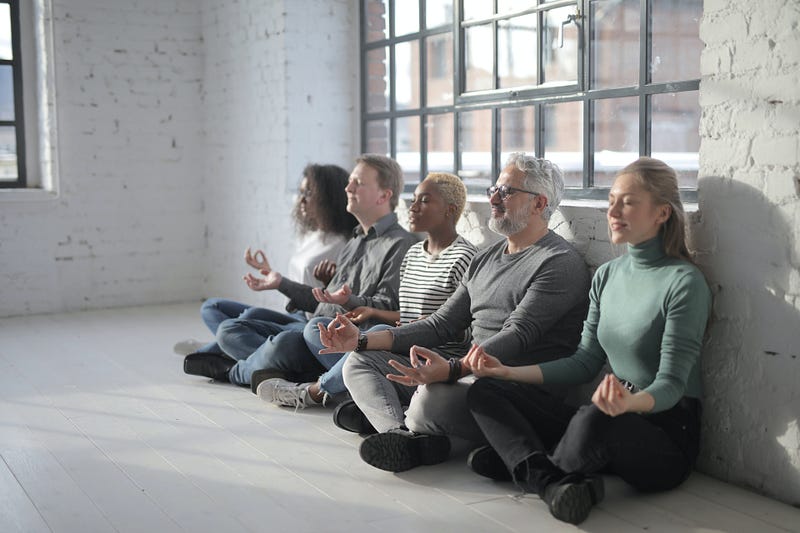
Meditative practices could be a great tool for journalists. In 2018, Ryerson University implemented a mindfulness program for journalism students. The program helped students deal with the stress of college deadlines and influenced the stories they reported. According to Ryerson professor Ann Rauhala, mindfulness meditation “quiets the mind so that you can listen to what people are saying instead of barreling along with what you think the story is… It helps you to be more empathetic and understand where people are coming from.”
Beyond benefitting individual journalists, mindfulness could influence news organizations to make more ethical decisions about what news should be covered. According to University of Tennessee journalism professor, Melanie Fazier, “mindfulness can help journalists make choices in accord with the profession’s best practices: more long-term reporting on issues of public importance, more diversity of sources, more emphasis on solutions, and less fear-mongering.”
Psychedelic Storytelling
The Western world is currently experiencing what some are calling a Psychedelic Renaissance. Recent research into the therapeutic value of drugs like psilocybin, MDMA, and other psychedelics has been very promising. Micael Pollan’s bestseller How to Change Your Mind has further catapulted the psychedelic movement into mainstream society. Beyond the therapeutic use of psychedelics, Pollan wanted to explore the use of these substances for “the betterment of well people.”
Pollan said that one researcher told him that the effect of the psychedelic experience on mental habits is similar to fresh snowfall.
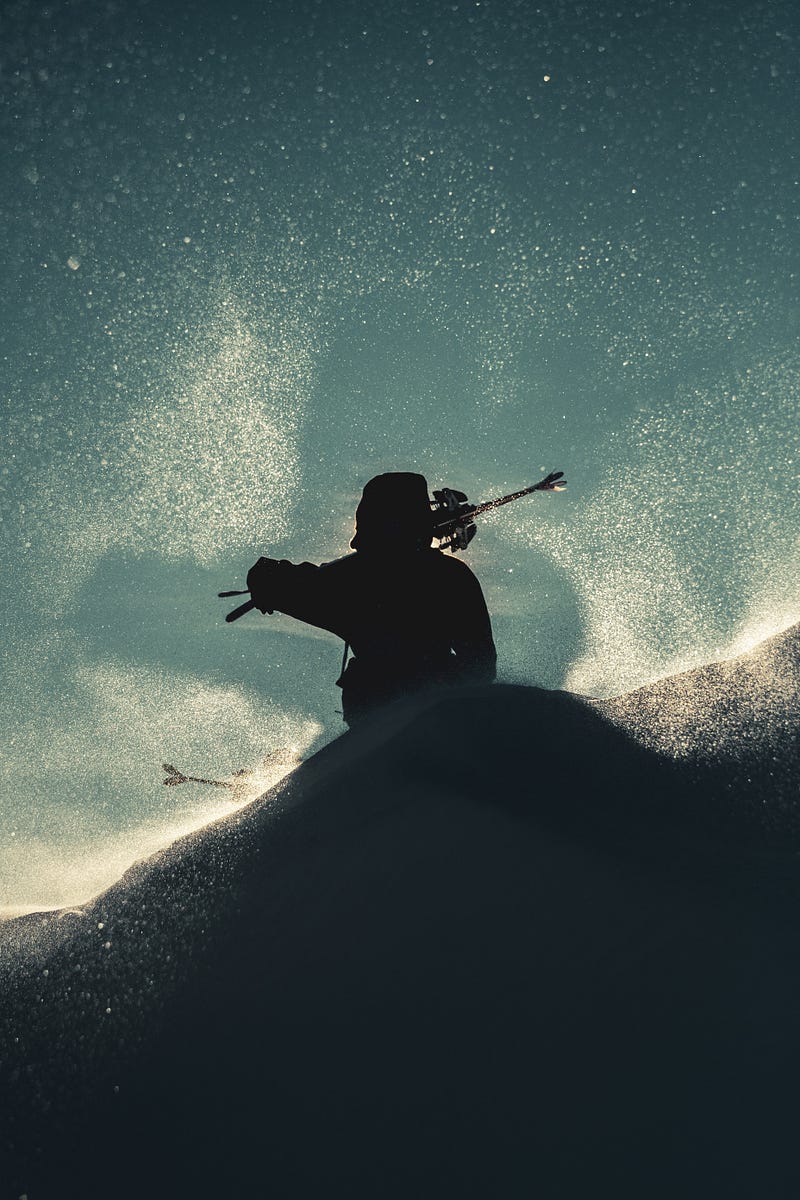
“Think of your mind as a hill covered in snow. And your thoughts are sleds going down that hill. After a while, after having many thoughts over the years, there will be these grooves carved into the snow. And they get deeper and deeper over time. And after a while, you can’t make it down the hill without slipping into one of those grooves. Psychedelics flatten the snow and add lots of fresh powder. And then, you can take the sled anywhere you want to go.”
Shelby Hartman is a journalist who contributes to VICE, LA Weekly, and The Huffington Post, among others. She is a Co-Founder and Editor-in-Chief at DoubleBlind, a magazine dedicated to stories about psychedelics.
During a phone interview, Hartman offered several insights about the impact psychedelics could have on the journalistic world. Hartman says that “psychedelics can inspire compassion and open-mindedness and those things can allow us to be more open to listening to other perspectives.” Becoming more “open” could have a profound impact on the way that a journalist listens and asks questions during an interview.
When applied on a macro level, Hartman believes that psychedelics “encourage us to think outside of current paradigms and to challenge them in the spirit of a more evolved society.” The potential she spoke of is not just a journalistic revolution, it is an improved way of life for the entire planet. Hartman went on to say that psychedelics could help journalists “find ways to engage audiences around stories that matter.”
If portable ignorance becomes more prevalent in reporting, journalists will tell stories with more integrity. As media consumers read these stories, they will hold journalists to a higher standard and demand more high-quality reporting. Thus the feedback loop between journalists and society at large becomes more and more ethical over time.
Perhaps journalists can play an integral role in creating the “evolved society”. If so, journalists must make the first move. Reporters must strive to connect with society on a deeper level. Divisive partisan “news” must be overtaken by content that urges consumers to question why they believe what they believe. The aim of portable ignorance is not to bring all journalists or citizens to a consensus on every topic. The goal is to make every human better at seeing through narratives and understanding what is actually happening in the world.


