
Meditation: The Artistry of Techniques, Merits, and a Novice’s Handbook
Meditation 101: Techniques, Benefits, and a Beginner’s Guide on How-to
MASTERING THE ART OF MEDITATION THROUGH GUIDED PRACTICE TIPS FOR NOVICES
Meditation constitutes a cerebral discipline akin to how physical fitness shapes the body. Yet, it comprises a diverse array of techniques. The question then arises: How does one embark on the journey of meditation?
“In Buddhist tradition, ‘meditation’ mirrors ‘sports’ in the U.S., representing a spectrum of activities, not a singular entity,” elucidated Dr. Richard J. Davidson, Director of the Neuroscience Lab at the University of Wisconsin, in discourse with The New York Times. Distinct forms of meditation demand diverse cognitive prowess.
For a neophyte, achieving hours of undisturbed contemplation or an “empty mind” proves an arduous feat. Herein, tools such as a novice meditation DVD or a brain-sensing headband can serve as allies during the initiation into meditation’s mysteries. Primarily, meditation commences with the act of breath concentration — an exemplar of the most prevalent meditation approaches.
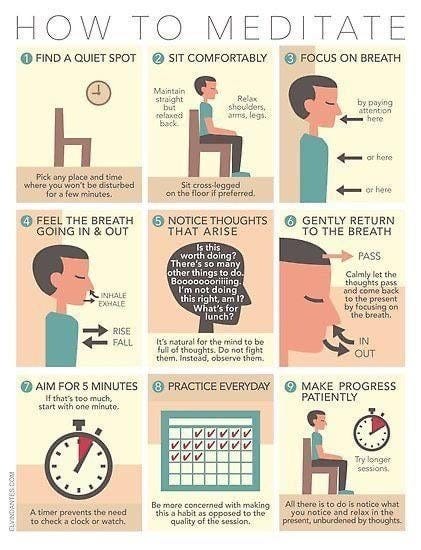
Photo bys
THE REALM OF CONCENTRATION MEDITATION
Concentration meditation involves an unwavering focus on a solitary focal point. This may encompass breath monitoring, the repetition of a singular word or mantra, rapt contemplation of a candle’s flicker, attunement to a recurring gong’s melody, or the enumeration of beads upon a mala. Given the taxing nature of mind concentration, novices might begin with brief sessions and gradually extend their temporal investment.
Within this meditation variant, periodic reorientation of mental focus toward the chosen focal object replaces the pursuit of errant thoughts. Random mental wanderings find acquiescence in this process, bolstering the capacity for sustained concentration.
EMBRACING MINDFULNESS MEDITATION
Mindfulness meditation advocates the detached observation of transient thoughts as they traverse the mental landscape. The aim here is not active engagement with thoughts or judgment but rather an unprejudiced acknowledgment of each cognitive entry.
Through mindfulness meditation, one develops insight into the patterns governing the ebb and flow of thoughts and emotions. Over time, an enhanced awareness of the human inclination to swiftly appraise experiences as good or bad, pleasurable or displeasurable, crystallizes. In select meditation disciplines, students synthesize elements of both concentration and mindfulness. Silence remains pivotal to various traditions, albeit to varying degrees contingent upon the instructor.
OTHER AVENUES OF MEDITATIVE PRACTICE
A multitude of alternate meditation techniques exist. Among them, the daily practice of compassion cultivation prevails within Buddhist monastic circles. This technique involves the imaginative reconfiguration of negative occurrences into positive narratives through the alchemy of compassion. Furthermore, dynamic meditation forms encompass disciplines such as tai chi, qigong, and walking meditation.
REAPING THE FRUITS OF MEDITATION
Though relaxation might not constitute meditation’s primary objective, it frequently materializes as a byproduct. In the 1970s, Dr. Herbert Benson, a Harvard University Medical School researcher, introduced the term “relaxation response” following his study of transcendental meditation practitioners. Benson characterized this response as “an antithetical, involuntary reaction inducing a diminution in sympathetic nervous system activity.”
Subsequent investigations into the relaxation response have delineated the following transient nervous system benefits:
- Diminished blood pressure
- Enhanced blood circulation
- Reduced heart rate
- Attenuated perspiration
- Slower respiratory pace
- Mitigated anxiety
- Lowered blood cortisol levels
- Heightened sensations of well-being
- Reduced stress
- Profound relaxation Presently, contemporary researchers explore the potential long-term advantages of consistent meditation practice, observing positive ramifications on brain and immune function among dedicated practitioners. Nevertheless, it bears reiteration that meditation’s essence is not the pursuit of rewards. In the words of an Eastern philosopher, meditation’s objective is the absence of objectives — it exists simply to be.
Within Buddhist philosophy, meditation’s ultimate boon is the liberation of the mind from attachments to uncontrollable external circumstances and potent inner emotions. The enlightened practitioner no longer heedlessly succumbs to desires or clings to experiences. Instead, they maintain an equanimous psyche and inner accord.
THE ART OF MEDITATION SIMPLIFIED: A BEGINNER’S GUIDE TO EFFORTLESS PRACTICE
This meditation exercise serves as an ideal initiation into meditative techniques.
- Settle into a comfortable seated or supine position, perhaps investing in a meditation chair or cushion.
- Close your eyes, and if you opt for the supine posture, consider using one of our Cooling Eye Masks or Restorative Eye Pillows.
- Allow your breath to flow naturally, relinquishing any attempt at breath manipulation.
- Direct your attention to your breath and its synergy with bodily movements during inhalation and exhalation. Observe how your body responds to each breath cycle — take note of chest expansion, shoulder movements, ribcage fluctuations, and abdominal undulations. Contemplate your breath without dictating its tempo or intensity. In instances of mental digression, gently guide your awareness back to your breath.
- Inaugurate this meditative regimen with durations of two to three minutes. Gradually, extend your meditation sessions.
Harvard Health Publishing — “Relaxation Techniques: Breath Control Helps Quell Errant Stress Response”
This article discusses the relaxation response and its connection to breath control, which is a fundamental aspect of many meditation techniques.
Mayo Clinic — “Meditation: A simple, fast way to reduce stress”
Link: Mayo Clinic
The Mayo Clinic provides insights into how meditation can reduce stress, lower blood pressure, and promote relaxation.
Psychology Today — “The Neurobiology of Grace Under Pressure”
Link: Psychology Today
This article delves into the neurological aspects of meditation, explaining how it can positively affect the nervous system and reduce stress.
Harvard Medical School — “Meditation offers significant heart benefits”
Link: Harvard Medical School
Harvard Medical School discusses the cardiovascular benefits of meditation, including lower blood pressure and improved blood circulation.
National Center for Complementary and Integrative Health (NCCIH) — “Meditation: In-Depth”
Link: NCCIH
- The NCCIH provides comprehensive information on various aspects of meditation, including its effects on stress reduction and overall well-being.
Gemini Crypto: Unlock the Future of Finance
Gemini: Your Passport to the Future of Finance

Photo byk
- Security Meets User-Friendliness: Gemini takes pride in offering a secure and exceptionally user-friendly platform. Whether you’re a crypto enthusiast with years of experience or just dipping your toes into the digital waters, our platform is crafted to make your journey seamless.
- Trade with Ease: Immerse yourself in the dynamic realm of digital assets with our straightforward crypto exchange. Buying, selling, and trading a diverse range of cryptocurrencies has never been simpler.
- Gemini Earn: Let your crypto assets work for you! With Gemini Earn, your crypto holdings can earn interest, essentially putting your money to work while you rest.
- Gemini Wallet: Safeguard your assets with our secure crypto wallet. With your private keys securely under your control, you can enjoy peace of mind as you navigate the crypto landscape.
- Mobile App: Trade on the go with our intuitive mobile app. Access your portfolio, execute trades, and stay ahead of market trends no matter where you are.
Photo byGemini
Security:
At Gemini, your safety is our paramount concern. We employ state-of-the-art security measures, including cold storage and multi-factor authentication, to shield your assets from potential threats. Rest assured, your digital wealth is in trusted hands.
Ready to take the leap in your financial journey? Sign up free here
Visit our blog at http://www.TheWetWhale.com