
Mechanisms for Trust in Digital Asset Exchange: Hashed Timelocks and Atomic Swaps
In the world of digital asset exchange, a technical approach called Hashed Timelocks and Atomic Swaps aims to eliminate counterparty risk, which refers to the possibility of one party being unable to participate in a trade…
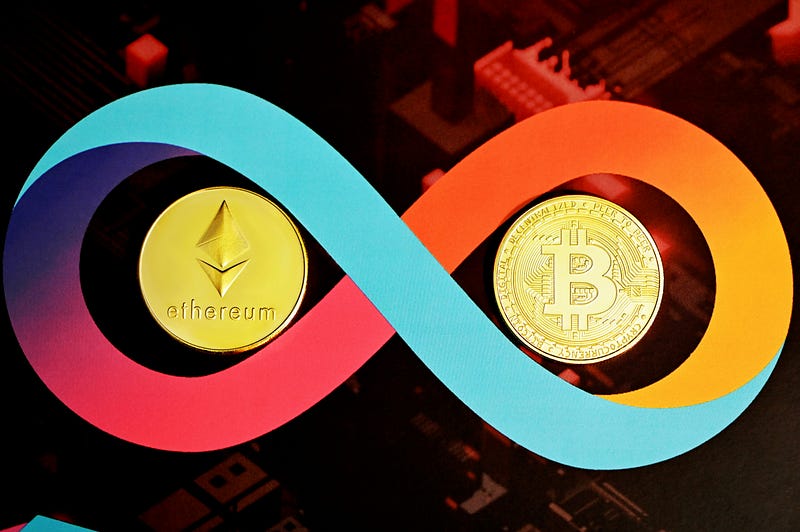
Blockchain has revolutionized the way we establish trust and enable interoperability across different networks. It’s not just a passing trend; it’s now a fundamental aspect of modern digital transactions. By leveraging a distributed, decentralized, and public ledger that is highly resistant to tampering, blockchain technology establishes a secure and transparent ledger that upholds data integrity and removes the necessity for intermediaries.
In the dynamic world of digital asset exchange, the advent of Hashed Timelocks and Atomic Swaps represents a significant technological leap. These smart contract-based mechanisms are reshaping how transactions are executed, enhancing security, and fostering trust in the decentralized landscape.

Understanding Hashed Timelocks:
Secure Timing for Transactions Hashed Timelocks play a pivotal role in securing digital transactions. They essentially tether a transaction to a specific time frame, defined within the smart contract. This feature is crucial for mitigating counterparty risk — the risk that one party may default on their part of the trade. For instance, consider a scenario where a crypto asset seller on one blockchain needs to receive payment from a buyer on another blockchain.
The Hashed Timelock ensures that this transaction is cryptographically secured, using hashing techniques. If the transaction fails to meet its conditions within the specified timeframe, the smart contract automatically nullifies it. This temporal binding is a key trust enhancer, ensuring that parties adhere to the agreed-upon timeline, thus reducing uncertainties and risks in digital exchanges.
Atomic Swaps
Direct, Trustworthy Asset Exchange Atomic Swaps are where the Hashed Timelock concept truly shines. They allow for a direct and secure exchange of crypto assets between two parties across different blockchains, bypassing the need for intermediaries like brokers or exchanges. This peer-to-peer exchange mechanism ensures that each party retains complete ownership and control over their private keys throughout the transaction process.
Consider the scenario of trading cryptocurrencies across different blockchain platforms. Using Atomic Swaps, a user can directly exchange their Bitcoin for Ethereum with another user on a different blockchain, without the need for a centralized exchange. This process not only simplifies the transaction but also significantly reduces the associated fees and delays that come with traditional exchange methods.
Building Trust in Transactions
The trust factor in Atomic Swaps is critical. These transactions are not just about transferring assets; they are about doing so in a manner that is completely transparent and secure. The use of Hashed Timelocks in Atomic Swaps ensures that the transaction is only completed if all the conditions set in the smart contract are met within a certain period. This creates a trustless environment where parties do not need to trust each other or a third party; they only need to trust the technology and its unbreakable rules. This level of security and transparency is what makes Atomic Swaps a revolutionary tool in the blockchain and cryptocurrency space.
Conclusion
Hashed Timelocks and Atomic Swaps are more than just technological advancements; they are a testament to the evolving trust mechanisms in the blockchain world. They exemplify how blockchain technology is not just transforming the way we think about digital transactions but also how we trust in their execution. As these technologies continue to develop and gain wider adoption, they hold the promise of creating a more efficient, secure, and trust-based digital asset exchange ecosystem.