
Earthmovers and I
The childhood full of dirt and encounters that I would never forget
As I approach the dinner table, grandma extended her arm to give me a treat. It was not a usual treat. It was rabanada (French toast). She cooked and watched me indulging myself with a big smile on her face. It is a mix of sliced bread and cinnamon, soaked in beaten eggs and then pan-fried. Delicious.
These are simple memories from my childhood at grandma’s place in the East Zone of São Paulo, Brazil. A small house tucked away from the city, made of brick and bad plaster, sitting at the top of a steep road you would not dare let anything fall off your hands.
Every Saturday we would leave home early to get there on time before the afternoon snack. Sometimes we would do it on Sunday. A long drive that could take more than five hours, due to traffic, to get to the other side of the city. We treated it as going on a road trip every time we knew we have to visit grandma. I used to like it.
I wanted to spend time in her garden. Not a big one. It was the size of a small courtyard with unique plants. It gave plenty of figs, grapes, vegetables and the most especial compost bin.
The courtyard was covered by this old grapevine . I used to look at them with awe, imagining them as the best fruits I have ever eaten. I would sit and watch the sunlight spear through the large grapevine leaves. In season, the grapes were heavy, almost dropping the stalk full of fruits. I always thought I could hold it at the exact moment that might happen.
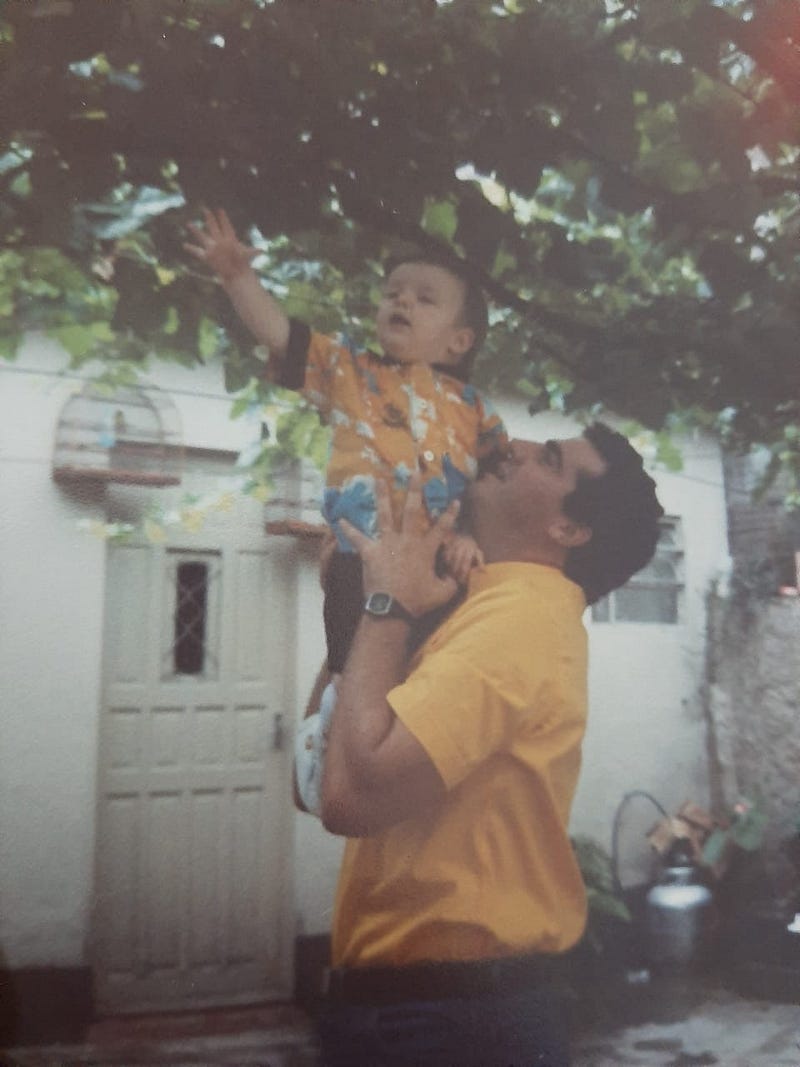
Whether I knew how grandma managed that small area or had imagined what it could be, I still do not know for sure. Now I remember when I was fascinated by a specific area in her courtyard located next to the compost bin. My mom always thought that I should not be there in case I get dirty. I used to love being there intrigued by a small creature.
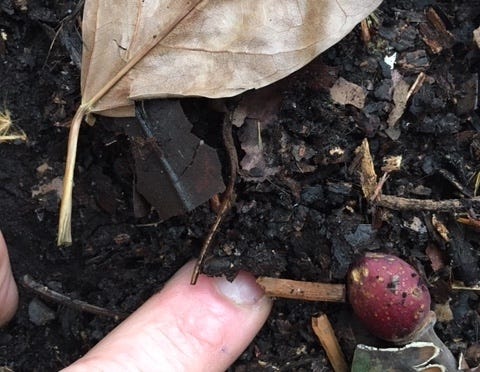
I could see myself on many occasions watching this concrete box next to the garden bed on the left-hand side of the property. I used to stick my fingers into this black wet soil that grandma throws in there. One day, something appeared at the surface. It had a slicking attitude and seemed to be struggling for life. It was an earthworm.
I thought they were little snakes without the head and venomous bite. I would usually pick them up and put them in my hand, observing their body contraction. They would move in desperation as if the light blinds them, asking me to put them back on the ground.
I did not know what they were doing there nor what sort of function they had. One day, when grandma was not busy cooking the best of food, she would show me the worms. She would point out what they do and what to do with the food scraps. After picking them up, grandma would put them back in the concrete box. The earthworms would consume those food scraps, giving the soil more nutrition values. I was amazed.
It never ringed the bell until today. These worms (the earthmovers) are the engineers of the whole garden complex. The labourers of that small courtyard with plenty of flowers and fruits all year round. They provide the essentials that those plants needed to survive to grow avidly. They consume food scraps, release their droppings and feed other animals like bacteria.
If I only knew back then, I would give more value to my grandma’s teachings. I wish I could go back in time and show her I understand their function. Now I know the need for soil engineers to build burrows and to consume certain substances. They do not tolerate sunlight and are quite fussy with the underground temperature.
The reason why the soil was so soft, black, smelly and wet in the concrete box was because of the earthworms. They were moving and consuming its elements. They work hard, not fast, to reconstruct depleted soils into a reservoir of energy for plants.
Bacteria, protozoa and other microorganisms would not survive without them. Without these microorganisms, plants would not be able to grow. In other words, we depend on earthworms to grow food and forests.
We, unfortunately, underestimate these creatures. It is a terrible mistake, or I must say, a terrible ignorance that not always seem to allow us to change our minds. The only way to understand what is going on underground is seeing them in action. Which by the way, it is very difficult unless you have them in your garden?
I was lucky enough to have lived and touched them at an early age. Now I know what my grandmother’s concrete box was all about. I continue to exercise the same basic principles I learned in my childhood.
Today I study the importance of these living organisms and how much we depend on them. I do not regret a tin of my experience, but I do only regret not spending as much time as I could with grandma. This I cannot change.


