
Mastodon: A Social Network for the People, by the People
Your twitter alternative is here
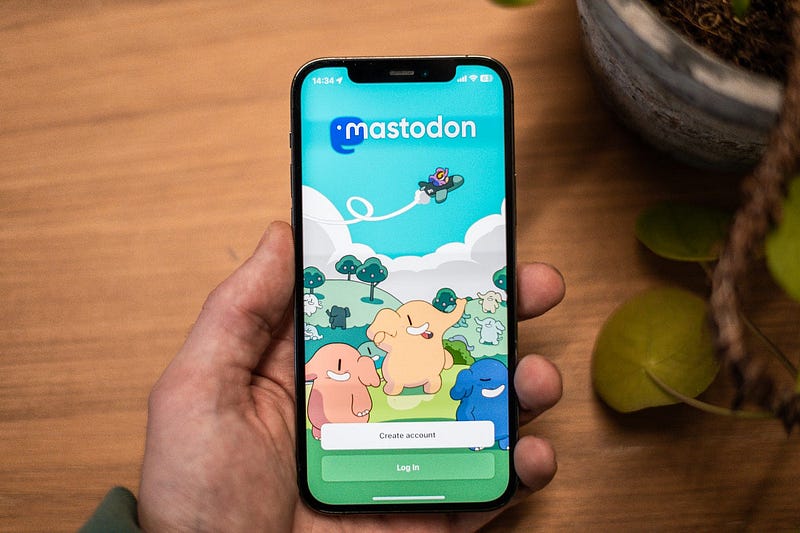
Once upon a time, social media was hailed as the ultimate democratizing force, allowing people from all walks of life to connect and share their thoughts and ideas with the world. However, over time, this promise of social media has been overshadowed by concerns about privacy, surveillance, and the influence of large corporations on our online interactions. Enter Mastodon: a social network that aims to restore the promise of social media by putting control back into the hands of the people.
At its core, Mastodon is a decentralized social network that allows users to create their own communities, called “instances,” and connect with others in a safe, private, and open environment. Unlike traditional social media platforms like Facebook and Twitter, Mastodon doesn’t rely on a single company to control and moderate content. Instead, it’s built on an open-source, federated model, meaning that anyone can create their own instance and connect with other instances in a network of decentralized communities.
One of the most significant benefits of Mastodon’s decentralized model is that it allows for greater control over content moderation and community standards. Instead of relying on a single company to set and enforce these standards, Mastodon’s communities can set their own rules and decide how to moderate content. This means that users have more control over what they see and engage with, and communities can establish their own norms and values without interference from external forces.
Another benefit of Mastodon’s decentralized model is that it allows for greater privacy and security. Because data isn’t centralized in a single location, there’s no single point of failure that can be exploited by hackers or malicious actors. Additionally, Mastodon’s encryption and privacy features ensure that users can communicate and share information without fear of surveillance or data breaches.
But Mastodon’s benefits go beyond privacy and security. By enabling users to create their own instances, Mastodon fosters a sense of community ownership and empowerment. Communities can choose to focus on particular topics or interests, and members can contribute to these communities in a meaningful way. This allows for more diverse and nuanced conversations than what is typically seen on traditional social media platforms.
Moreover, Mastodon provides a space for marginalized voices to be heard. Because communities can establish their own rules and values, Mastodon is better equipped to accommodate diverse perspectives and experiences. This has resulted in a vibrant and supportive community of users who feel empowered to express themselves without fear of harassment or discrimination.
Of course, like any social media platform, Mastodon has its challenges and limitations. One of the biggest hurdles facing Mastodon is its relatively small user base compared to mainstream social media platforms. While Mastodon has gained popularity in certain communities, it has yet to achieve the same level of mainstream success as Twitter or Facebook. This can make it challenging for users to find and connect with others who share their interests.
Additionally, Mastodon’s decentralized model can create challenges around discoverability and navigation. Because there are no central authorities governing content, it can be difficult for users to find communities that align with their interests or values. Moreover, the lack of centralized moderation can result in inconsistencies across instances, which can make it challenging for users to navigate and engage with the platform.
Despite these challenges, Mastodon remains an exciting and innovative platform that offers a compelling alternative to traditional social media. Its decentralized model, focus on privacy and security, and emphasis on community ownership and empowerment make it a powerful tool for those looking to connect with others and share their ideas with the world. As social media continues to evolve, Mastodon offers a promising vision of what the future of online interactions could look like: a social network for the people, by the people.
What are your thoughts on Mostodon? Let me know in the comment section. ;)
Before you go…
If you liked this article and want to stay tuned with more exciting articles on Python & Data Science — do consider becoming a medium member by clicking here https://pranjalai.medium.com/membership.
Please do consider signing up using my referral link. In this way, the portion of the membership fee goes to me, which motivates me to write more exciting stuff on Python and Data Science.
Also, feel free to subscribe to my free newsletter: Pranjal’s Newsletter.