Mastering UX Case Studies: A Comprehensive Guide for UX Designers in 2023
Crafting Compelling Stories Through Your UX Portfolio
Summary: Elevate your UI/UX design portfolio with compelling case studies that tell a complete story of your design journey, from problem identification to impactful solutions. This guide provides a step-by-step approach, complete with examples, to help you create case studies that resonate with your audience

For UX professionals, a UX case study is more than a piece of design work; it’s a narrative that showcases your thought process and problem-solving abilities. This guide will help you create great UX case studies that resonate with your audience and enhance your UX designer’s portfolio.
1. Choose an Engaging Design Project
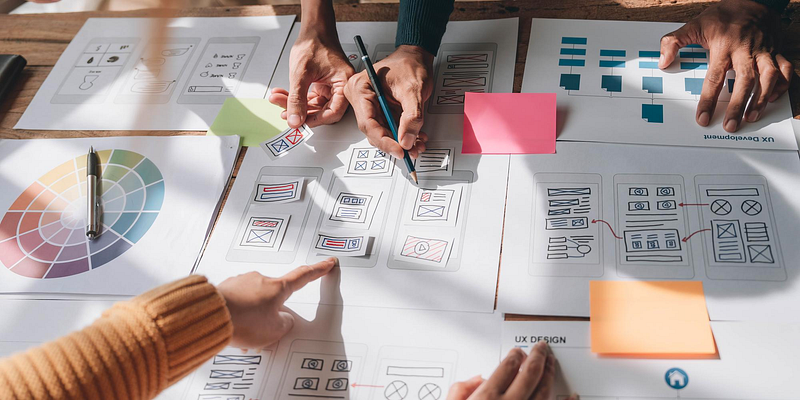
Why It’s Important: Selecting the right project for your UX portfolio can demonstrate your skills in tackling new challenges and delivering innovative solutions.
How to Do It: Opt for a design project that tested your limits and showcased your design thinking.
Example: “For my UX portfolio, I chose a mobile application project that required extensive user research and innovative information architecture.”
2. Define the Problem Statement
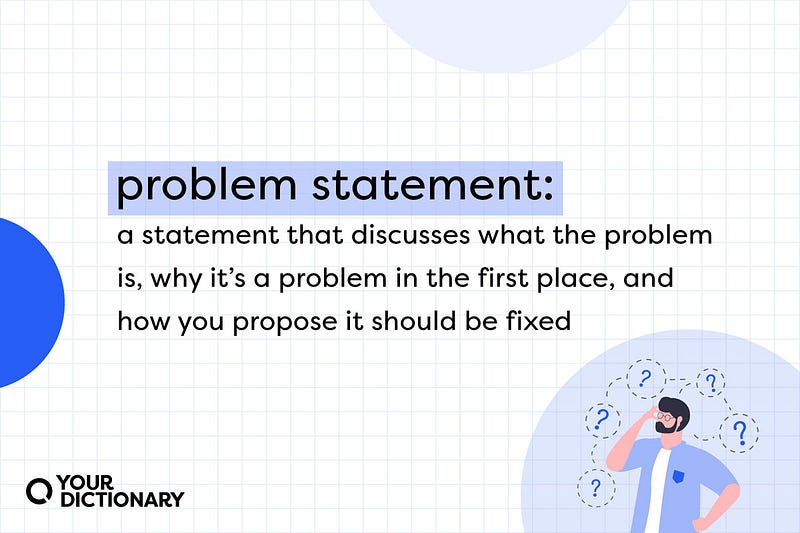
Why It’s Important: A well-articulated problem statement sets the stage for a good UX case study.
How to Do It: Define the user needs and business objectives that your UX design aimed to meet.
Example: “The project began with a clear problem statement: Users needed a more intuitive navigation for their educational mobile app experience.”
3. Research & User Analysis

Why It’s Important: Deep user research leads to valuable insights and a user-centered design.
How to Do It: Conduct thorough user research to uncover the relevant information about user behavior and needs.
Example: “Our user analysis for this UX design case study went beyond surface-level preferences, providing us with the insights needed for a successful design process.”
4. Ideation & Prototyping

- Why It’s Important: This phase allows UX designers to innovate and showcase their design decisions.
- How to Do It: Explore a wide range of ideas and develop prototypes that push the boundaries of UX design.
- Example: “We prototyped several versions of the user flow, each time refining the process based on user feedback.”
5. Design Implementation

- Why It’s Important: Your design work must communicate trust and simplicity, especially for UX professionals in fields like fintech.
- How to Do It: Implement designs that meet industry-specific needs and enhance user experience.
- Example: “Our design process for the fintech project included visual design elements that increased user trust and simplified the user experience.”
6.User Testing & Iteration

- Why It’s Important: It validates your design decisions and demonstrates your commitment to user-centered design.
- How to Do It: Use user feedback to iterate and improve your design work.
- Example: “User testing sessions for the UX design case study revealed that users were overwhelmed by choices. Iterative design improved user satisfaction rates.”
7. Result & Impact
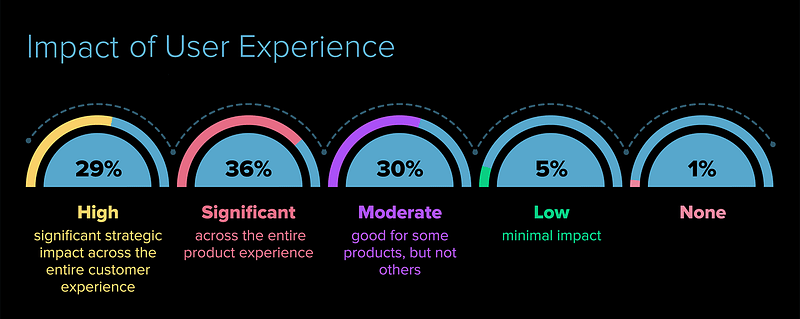
- Why It’s Important: The impact of your UX design should be measurable in user satisfaction and business metrics.
- How to Do It: Present data that shows how your UX design achieved its goals.
- Example: “The final product of our UX design process saw a 30% increase in user engagement, proving the effectiveness of our design decisions.”
8. Key Takeaways

- Why It’s Important: Reflecting on your UX design process helps you and others learn from your experience.
- How to Do It: Summarize the lessons learned and how the project has influenced your approach to future UX challenges.
- Example: “This UX case study taught me the importance of aligning user needs with business goals, a lesson I carry forward in my role as a UX researcher.”
A compelling UX case study is a powerful tool for UX designers to demonstrate their expertise and problem-solving abilities. It’s a narrative that goes beyond visuals to tell the story of your entire design process and its outcomes.
Invest time in mastering your UX case studies. They are not just stories but reflections of your strategic thinking, showcasing not just your design solutions but also your ability to meet user needs and business objectives.
If you found this article helpful, attractive, useful and would like to support me, make sure to:
👏 Clap for the story (50 claps) to help this article be featured
☑️ Follow me on Medium