
Mastering Kubernetes Security: My Journey to CKS Certification 🛡️
Scoring a stellar 71 points on my initial attempt at the Certified Kubernetes Security Specialist (CKS) might seem like an unattainable goal, but against all odds, I managed it with a touch of Jedi confidence. Join me as I recount the journey, sprinkled with a generous dose of humor! 😄
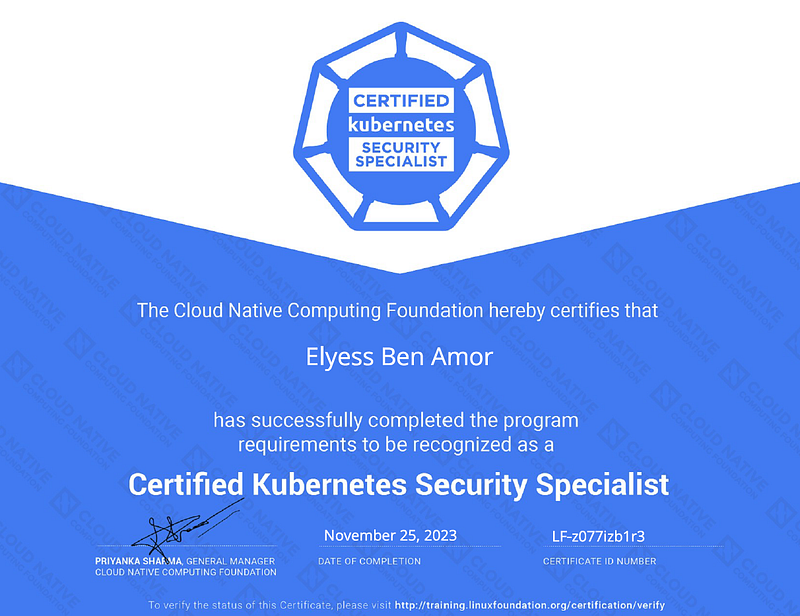
Table of Contents
- Introduction
- Understanding the CKS Certification 🧙♂️
- The Preparation Journey 📚
- Exam Experience 🌠
- Key Learnings 🔍
- Tips for Exam Success 🌌
- Conclusion 🌠
Introduction
Scoring a stellar 71 points on my initial attempt at the Certified Kubernetes Security Specialist (CKS) might seem like an unattainable goal, but against all odds, I managed it with a touch of Jedi confidence. Join me as I recount the journey, sprinkled with a generous dose of humor! 😄
Why Kubernetes Security Matters 🛡️
Kubernetes, the bustling metropolis of containers, is not immune to the myriad threats that lurk in the shadows. From DDoS attacks to vulnerabilities in application code, the battlefield is diverse. Kubernetes security acts as the guardian, preventing unauthorized access, data breaches, and ensuring the integrity of your digital empire.
Understanding the CKS Certification 🧙♂️
The Certified Kubernetes Security Specialist (CKS) is more than just a certification; it’s the vigilant guardian ensuring the robust security of Kubernetes environments. In the dynamic landscape of container orchestration, CKS stands as a symbol of expertise, signifying a deep understanding of securing Kubernetes workloads. It isn’t merely about ticking off checkboxes; it’s about mastering the intricate dance between containers, pods, and clusters. It’s a recognition of your ability to navigate the complex web of security challenges, from authentication and authorization to network policies and runtime security.
Before embarking on the journey towards CKS mastery, understanding the preparation essentials is crucial. It’s akin to gathering the right tools before setting off on a grand quest.
The Preparation Journey 📚
- Official Documentation: The official Kubernetes documentation is your foundational guide. It’s the map that outlines the terrain, providing in-depth insights into the architecture, security features, and best practices.
- Online Courses: Enroll in reputable online courses tailored for CKS preparation. Platforms like KodeKloud helped me a lot achieving my goal and many thanks for the good explanations and hand-on labs prepared by Mumshad Mannambeth
- Interactive Labs: Theory comes alive through hands-on experience. Explore interactive labs that simulate real-world scenarios. Use a minikube tool to create a k8s cluster and start your journey.
- Books and Blogs: Delve into books written by experts in Kubernetes security. Here is a list of good resources to read and labs to follow.
Exam Experience 🌠
Navigating the Exam Terrain 🛰️
- Duration and Format: The CKS exam typically spans for 2h and consists of practical tasks. Understanding the format is crucial to managing your time effectively. Allocate time wisely based on the complexity and weight for each task.
- Cluster Environment: You’ll be working in a live Kubernetes environment. Familiarize yourself with the cluster provided in the exam. You will be provided each time the context that you need to switch to.
- Task Prioritization: Tasks in the exam vary in complexity. Prioritize them based on your comfort level and the time required. Tackling simpler tasks first can build momentum and confidence. Flag the questions that seem hard or take more time based on your skills.
Overcoming Exam Challenges 💪
- Time Management: The clock is ticking, and effective time management is paramount. Practice time-bound scenarios during your preparation to hone your ability to make quick, informed decisions.
- Troubleshooting Skills: The ability to troubleshoot issues in a live Kubernetes environment is a key component of the exam. Develop a systematic approach to debugging problems, focusing on identifying root causes.
Key Learnings 🔍
The journey toward CKS mastery unveils a tapestry of Kubernetes security concepts, each thread intricately woven into the fabric of securing containerized applications. Decoding these concepts is akin to deciphering the language of security within the Kubernetes ecosystem.
- Cluster Hardening: Understanding the art of fortifying the entire Kubernetes cluster against potential threats. This involves configuring network policies, restricting access, and implementing secure configurations.
- RBAC Mastery: Delving deep into Role-Based Access Control (RBAC), a cornerstone of Kubernetes security. Mastering RBAC involves defining granular permissions to ensure that only authorized entities access specific resources.
- Pod and Node Security: Ensuring the security of individual pods and nodes is paramount. This includes implementing container runtime security measures, securing communication within the cluster, applying best practices for pod security and scan images for vulnerabilities.
Tips for Exam Success 🌌
Success in the CKS exam is not just about knowledge; it’s about applying that knowledge efficiently under pressure. Here are some tips to enhance your chances of success:
- Practice Regularly: Regularly engage in hands-on labs and mock exams to simulate the exam environment. Familiarity with the tools and tasks will boost your confidence.
- Documentation Reference: Utilize the Kubernetes documentation provided during the exam. Efficiently navigating and searching the documentation can save valuable time.
- Stay Calm and Focused: Stress is the path to the dark side. Stay calm, focused, and trust in your preparation. Panicking can hinder your ability to think clearly.
- Review and Iterate: Before submitting your answers, review your solutions. Ensure that each task is addressed, and validate your configurations. If time permits, iterate on your solutions.
Conclusion 🌠
The key learnings from the CKS journey go beyond memorizing security configurations; they embody a deep understanding of the principles that underpin a secure Kubernetes environment. These insights serve as a compass, guiding practitioners in their ongoing quest to safeguard containerized applications in a rapidly evolving digital landscape. 🔍🔐

LinkedIn: ebenamor
Github: Profile