
Mass Surveillance vs The Coronavirus
How China could fight the coronavirus with big data
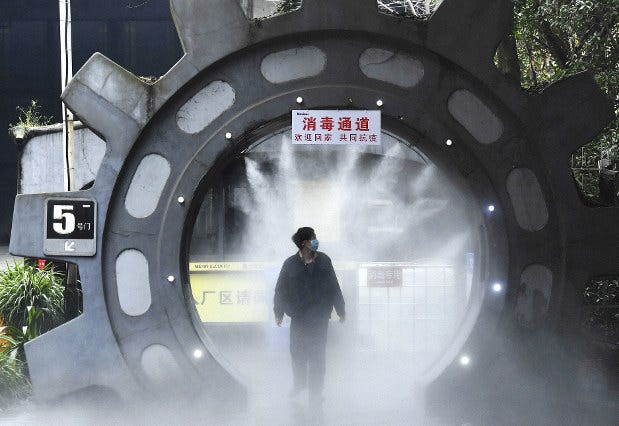
A few months ago, a new flu-like virus spurred out of the city of Wuhan, China and quickly evolved into a pandemic that changed how the world views contagious diseases. We got to see how desolated Wuhan has become, and what the passengers on the Diamond Princess are going through. At the same time rumours, and misinformation spread like wildfire and sometimes even outpacing the Coronavirus itself. A literal spin on “going viral”.
With more countries failing to contain the spread of the coronavirus, it may be time for us to think about how we could have used technology to slow down and stop the spread, as well as prevent future outbreaks. Spoiler Alert, we may have to make some tradeoffs between privacy and public safety.
How The Chinese “Big Brother” Could Prevent Another Outbreak
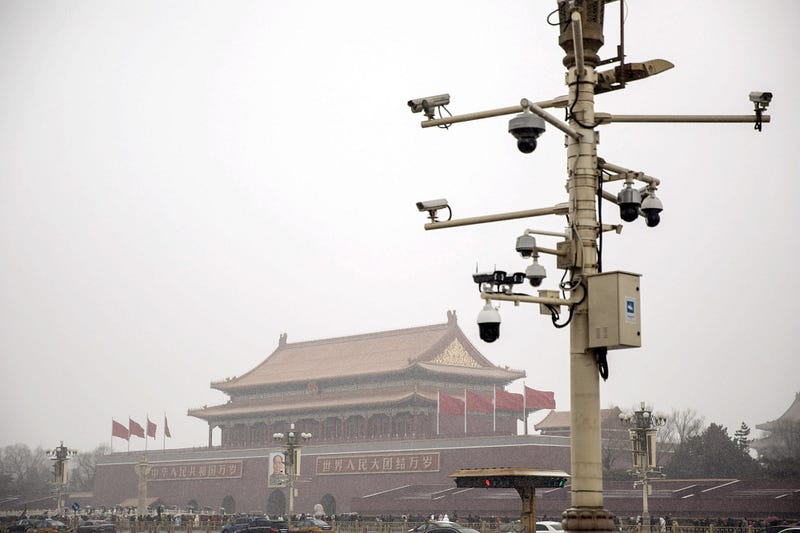
The TianWang system (it’s literally Skynet in Chinese…) is a network of over 600 million ultra-high-definition surveillance cameras that are designed to monitor and track the movement of Chinese citizens. TianWang has the ability to identify and flag anyone in China within a few minutes. To demonstrate how well the system works, a BBC reporter conducted an experiment with the Guiyang Police Department. The reporter was flagged as a wanted criminal, in the system and dropped off randomly in the city to “hide.” The result? He was arrested within the first 6 minutes of the experiment.
TianWang sounds just like something out of Black Mirror, but we could harness its power to monitor, study, and contain how the Coronavirus spreads. We will have the ability to flag all the confirmed cases of virus carriers and use TianWang to map out their movement and interactions, to pre-identify likely infected individuals or contaminated locations.
There is just one problem…. People are wearing facemasks… How do we run facial recognition? Luckily (or maybe, unfortunately) there are a few workarounds --- we can use the RFID chips embedded in Chinese Resident ID cards and cellular networks to supplement the identification process. However, this will not be a problem in the earlier stages of the next virus outbreak.
This could prove monumental in the study of epidemiology and help us to really visualize how the disease spreads and transmits in real-time. We could even take it a step further to outfit TianWang cameras with thermal sensors for better patient identifications. Even after the coronavirus outbreak, the system can be integrated with a national vaccine database to predict other future outbreaks of old or new diseases.
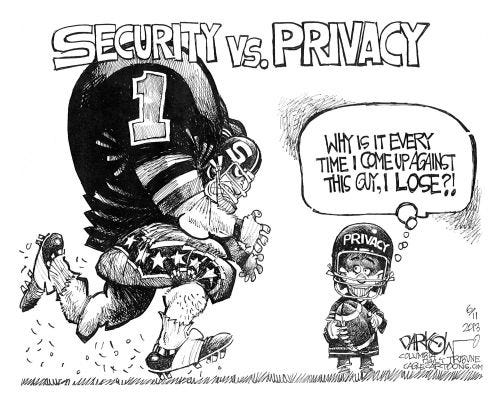
But, this also raises the argument of privacy, freedom and human rights. Should a government have the power to monitor its citizens? Should China expand TianWang so it has the capability to stop another deadly virus outbreak? Or even for the US, should NSA continue its PRISM program to better stop terrorists?
Use “Viral” Social Media To Stop The Virus
China has always been big on social media and viral marketing, and China is now using viral marketing to fight the Coronavirus. Chinese TikTok and other live-streaming services are now filled with educational content on how to prevent the spread of the virus. Even some local governments are producing TikTok videos in an effort to stop panic and misinformation. WeChat and Weibo will send out real-time reports about the epidemic and offering quick access to health and safety resources. But I think we can do better with social media.
Even without dystopian levels of camera networks, we can still use cellphone GPS and social media to monitor and stop the virus and again, China is a special case here. Most of the WeChat and Weibo accounts are linked to the users' National ID Cards. This means WeChat and Weibo have the ability to identify users who are infected with the coronavirus and map out their movements with in-app GPS data. With that information, WeChat and Weibo can flag high-risk locations and notify their users if they have recently come in contact with a newly identified patient.
However, the same questions come up. Should we really flag out the patients on social media? What would private companies like Tencent do with this data? What role would private companies play in stopping a global epidemic? Should government agencies take control of or influence social media platforms in times of emergency?
What’s Next?
The Coronavirus is just the first global epidemic that we have encountered in the age of social media and big data, and it is also an opportunity for us to explore the capability of social media and big data in the study and containment of contagious diseases. At the same time, it raises a number of debates on privacy, human rights and the responsibilities of big tech companies in our current world.
Side notes: I will also keep a close eye on Autonomous Delivery Robots and Cloud platforms in a post-coronavirus China. Food Delivery became a huge part of people’s lives under quarantine and cloud platforms weren’t really treated that seriously when you can actually go into the office every day.