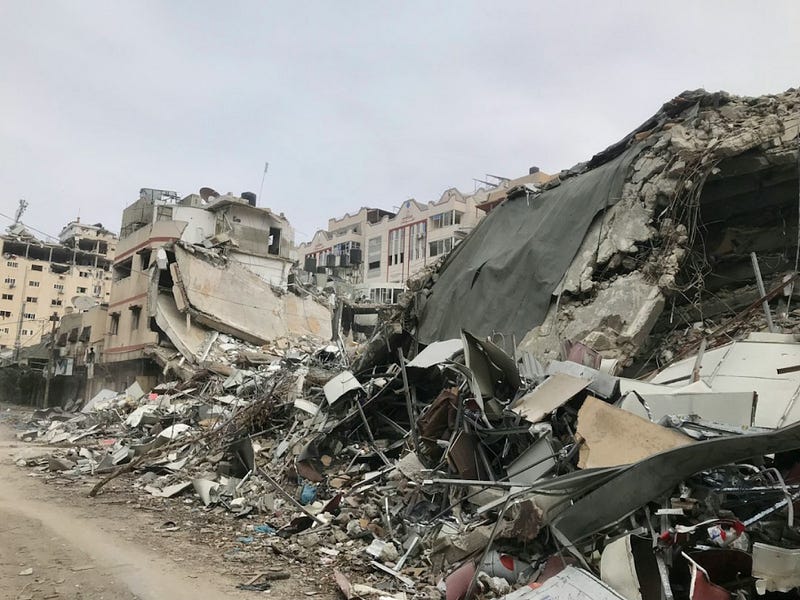
Mass Starvation of Palestinians — Geneva Convention
The mass starvation of Palestinians is a grave violation of international law that has been ongoing for years. This humanitarian crisis has had devastating consequences on the Palestinian population, resulting in high levels of food insecurity and malnutrition. The deliberate withholding of food and resources by the occupying power has been used as a weapon of war, leading to a severe violation of basic human rights and an infringement on the right to food. It is crucial to understand the legal framework and international obligations surrounding this issue in order to address the crisis effectively.

Understanding International Law and its Relevance
International law plays a critical role in protecting the rights and well-being of individuals within a conflict zone. It sets forth rules and standards that nations are bound to follow, particularly in situations of armed conflict and occupation. The Geneva Conventions and other international legal instruments unequivocally prohibit the use of starvation as a method of warfare and guarantee the right to food and humanitarian assistance.
The Ongoing Humanitarian Crisis in Palestine
The humanitarian crisis in Palestine has reached alarming levels. Years of occupation, siege, and blockade by the occupying power have severely limited the availability of essential goods, including food and water. The UN Office for the Coordination of Humanitarian Affairs reports that over half of the Palestinian population faces food insecurity, with thousands of children suffering from acute malnutrition.
International Community’s Responsibility and Obligations
The international community has a clear responsibility to protect and aid populations in dire situations. The United Nations, through various agencies and resolutions, has repeatedly emphasized the need to ensure the well-being of the Palestinian people and address the humanitarian crisis. Additionally, states have an obligation to respect, protect, and fulfill the right to food of individuals under their jurisdiction, including those living in occupied territories.
Analyzing the Definition of Mass Starvation
Mass starvation refers to the deliberate deprivation of food and resources on a large scale, leading to widespread hunger, malnutrition, and potential famine. It is a systematic tactic used by some parties to a conflict to exert control, create dependency, and weaken the enemy population. Mass starvation can have severe and long-lasting consequences for individuals, communities, and the overall stability of a region.
Legal Framework: International Law Violations
The mass starvation of Palestinians is a clear violation of multiple international legal frameworks, including the Fourth Geneva Convention. This convention explicitly prohibits the starvation of civilians as a method of warfare and imposes obligations on occupying powers to ensure the well-being and adequate food supply of the occupied population. The systematic deprivation of food and resources, as seen in Palestine, is a blatant breach of these obligations.
Forced Starvation as a Weapon of War: War Crimes
The use of forced starvation as a weapon of war amounts to a war crime under international law. It falls within the broader category of crimes against humanity, which encompasses acts committed as part of a widespread or systematic attack against a civilian population. Those responsible for planning, ordering, or executing such actions can be held accountable for their crimes before international criminal tribunals.
Siege and Blockade: Affecting Food and Water Supply
The imposition of sieges and blockades has had a devastating impact on the availability of food and water in Palestine. These measures control and restrict the movement of goods, including essential supplies, leading to shortages and price hikes. The Israeli blockade in Gaza, for example, has severely limited the importation of food, leaving local farmers unable to access markets and exacerbating food insecurity.
Implications on Human Rights and Right to Food
The mass starvation of Palestinians directly infringes upon their fundamental human rights, particularly the right to food. This right is protected under various international human rights instruments, including the International Covenant on Economic, Social, and Cultural Rights. The deliberate denial of food and resources not only violates this right but also undermines the dignity and well-being of individuals and communities.
The Role of International Organizations and Aid
International organizations, such as the United Nations and its specialized agencies, play a crucial role in addressing the humanitarian crisis in Palestine. These organizations provide vital assistance, including food aid and development programs, to alleviate the suffering of the Palestinian population. However, their efforts are often hindered by the persistent obstacles imposed by the occupying power.
Accountability and Justice for Mass Starvation Crimes
Accountability and justice are essential components of addressing mass starvation crimes. Perpetrators must be held accountable for their actions, ensuring that there are no impunity or tolerance for such violations. International criminal tribunals, domestic courts, or other mechanisms must be utilized to investigate and prosecute those responsible for the mass starvation of Palestinians.
Urgent Call to Address the Crisis
The mass starvation of Palestinians is a clear violation of international law, as it inflicts immense suffering and deprivation on a vulnerable population. The international community has a moral obligation to address this crisis promptly and effectively. Immediate action is needed to lift sieges, end blockades, and ensure the unhindered access of humanitarian aid to those in need. By upholding international law and fulfilling their responsibilities, states can contribute to the restoration of dignity and justice for Palestinians, ultimately fostering peace and stability in the region.