
Maslow’s Hierarchy of Needs in the Age of Inflation and Social Media: Navigating Modern Challenges
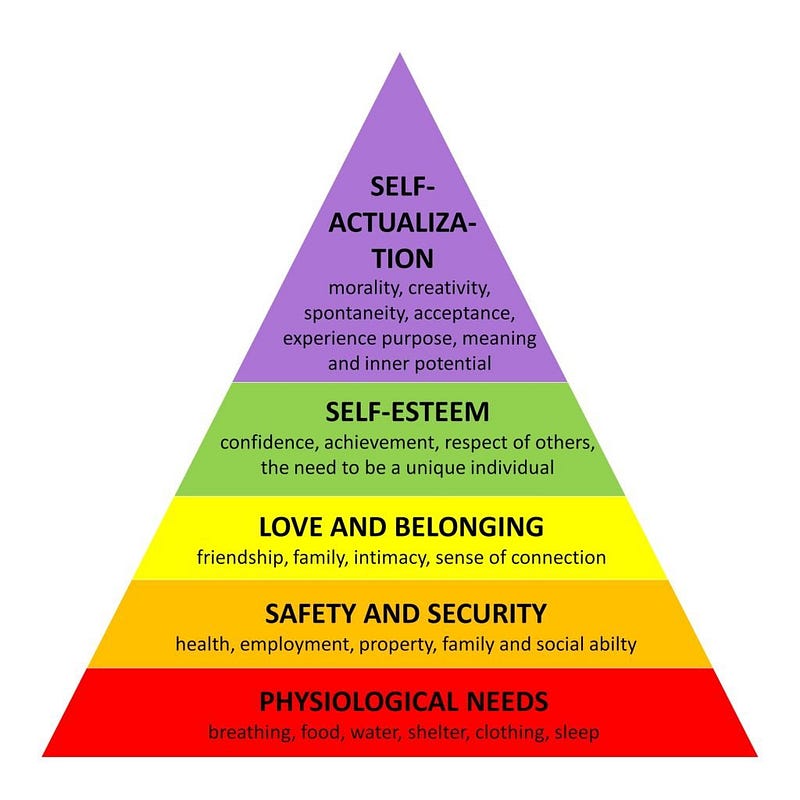
Maslow’s Hierarchy of Needs, a psychological theory proposed by Abraham Maslow in 1943, outlines the stages of human motivation and fulfillment, ranging from basic physiological needs to higher-level self-actualization. However, in the modern age of inflation and pervasive social media, the landscape of human needs and priorities has shifted. In this article, we explore how Maslow’s theory applies to contemporary society, considering the impact of economic pressures, social influences, and digital culture on individual well-being and fulfillment.
- Physiological Needs: At the base of Maslow’s hierarchy are physiological needs such as food, water, shelter, and sleep. In an era marked by inflation and economic uncertainty, access to these basic necessities may be compromised for many individuals and families. Rising costs of living, stagnant wages, and disparities in wealth distribution can exacerbate financial stress and undermine individuals’ ability to meet their physiological needs. Additionally, the pervasive influence of social media may contribute to unrealistic standards of living and exacerbate feelings of inadequacy or deprivation.
- Safety Needs: Safety needs encompass physical safety, financial security, and stability. Inflationary pressures and economic instability can erode individuals’ sense of security, leading to heightened anxiety and fear of financial hardship. Job insecurity, housing affordability, and healthcare access are key concerns for many individuals grappling with the economic realities of inflation. Moreover, the constant exposure to negative news and social comparison on social media platforms can amplify feelings of vulnerability and uncertainty, further undermining individuals’ sense of safety and well-being.
- Love and Belongingness Needs: Love and belongingness needs refer to the desire for social connections, relationships, and a sense of belonging. While social media offers unprecedented opportunities for connectivity and networking, it also presents challenges in fostering genuine, meaningful relationships. The curated nature of social media profiles and the prevalence of “likes” and validation metrics can foster superficial interactions and a sense of social isolation. Moreover, inflationary pressures may strain interpersonal relationships, leading to conflicts over financial resources and priorities.
- Esteem Needs: Esteem needs encompass feelings of accomplishment, recognition, and self-worth. Inflationary pressures and economic challenges may hinder individuals’ ability to achieve their professional goals and aspirations, leading to feelings of inadequacy or disillusionment. Additionally, the constant exposure to idealized lifestyles and achievements on social media platforms can fuel comparison and undermine individuals’ self-esteem. The pursuit of external validation and approval through likes, followers, and social status may detract from intrinsic sources of self-worth and fulfillment.
- Self-Actualization: Self-actualization represents the pinnacle of Maslow’s hierarchy, characterized by personal growth, fulfillment, and the realization of one’s full potential. In the age of inflation and social media, achieving self-actualization may be particularly challenging. Economic pressures and social influences can create barriers to pursuing passions, exploring creativity, and engaging in meaningful pursuits. Moreover, the constant barrage of digital distractions and the pressure to conform to societal norms may hinder individuals’ ability to cultivate authenticity and pursue their unique path to self-actualization.
Maslow’s Hierarchy of Needs provides a valuable framework for understanding human motivation and fulfillment, but its application in the modern age of inflation and social media presents unique challenges. Economic pressures, social influences, and digital culture intersect to shape individuals’ perceptions of their needs, priorities, and aspirations. As we navigate these complexities, it is essential to recognize the importance of addressing basic physiological and safety needs while also cultivating authentic connections, fostering self-esteem, and nurturing opportunities for personal growth and self-actualization.
By embracing a holistic approach to well-being and fulfillment, we can navigate the challenges of the modern world and strive towards a more balanced and fulfilling life.