
Masking — Why We Do It, How It Feels And The Benefits Of Stopping
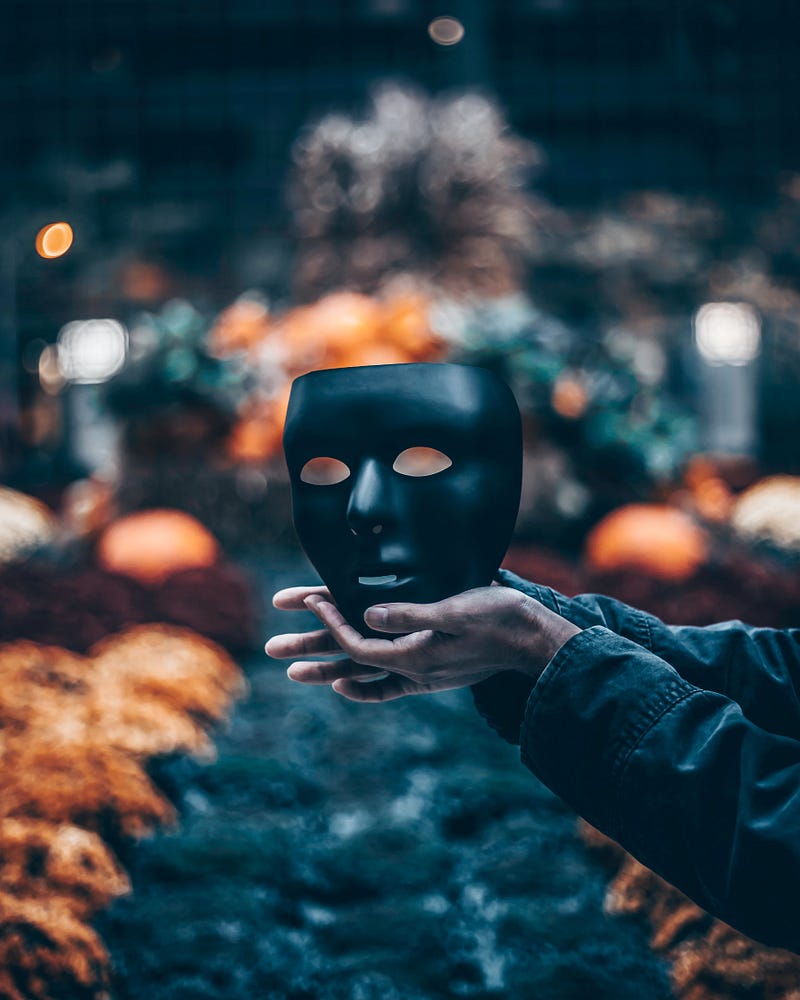
“I only really learned what masking felt like when I stopped doing it.”
Before I knew I was autistic, I had no idea what masking was and certainly didn’t realise I did it. Masking is a strategy autistic people use to hide their true self as they feel the real them is not socially acceptable.
I grew up thinking I was shy but never felt it inside. I knew that my behaviour on the outside was very different to how I felt on the inside, but I assumed that was the same for everyone. It was only when I had my own children that I realised that wasn’t the case.
Bullied for showing my true self
I was bullied at primary school by a close friend and the result was I had no friends. My older brother used to come and collect me at break time and find me someone to play with. How tragic is that?
When I look back, I see that the reason my close friend bullied me was that I didn’t mask with her. I let her see my true self and she couldn’t handle it. I obviously didn’t analyse it when I was six so I just put it behind me. Luckily, I was moved into a different class so was able to make new friends, away from my bully.
It was my earliest lesson of the danger of showing your true self when you are autistic. I didn’t know I was autistic at the time, but I certainly knew I was different.
Late diagnosis? — you’ve got very good at masking
For anyone who grows up well into adulthood before they have any realisation that they are autistic, I can guarantee they will have put a lot of energy into masking. I didn’t have to do it too much during my time at university, but once I entered the world of work, I had to have my full mask on from the moment I entered the building to the moment I left every single day.
As if starting a job isn’t hard enough, but for autistic people, we have to be on high alert at all times. We can’t afford to drop our guard. We have to do this and simultaneously complete our work. I also have ADHD and I think this combination made me a very attractive employee. I was able to work at twice the rate as most and maintain a professional demeanour, as I always found it best to err on the side of caution when masking.
When I worked full time, my masking went into overdrive, and I could not keep it up. Sadly, I entered a long battle with ME/CFS within a few years of starting full-time work.
Naming it is the first step to stopping it
Once you realise you are autistic, whether it is a self-diagnosis or a diagnosis from a medical professional, it is the first step towards removing that mask. The mask may be good for those around you, but it certainly doesn’t do you any good. It is exhausting, anxiety inducing, and not a happy place to be at all.
I had got so practiced at it it took me a while to identify when I was doing it. I eventually started to work it out by noticing a different feeling in certain situations, which led me to the conclusion that I must have stopped doing it. The more I stopped doing it, the more attuned I became to noticing when I was doing it. The biggest difference I notice is the feelings I have while masking compared with the feelings when I stop masking.
A few casual drinks after work
This may seem like the most relaxed social situation you can think of, but going for a few drinks is a good example of the impact of masking. It is bad if it is a last-minute thing, as I have to do a sped up version of my usual prep and go into it with much higher anxiety levels than if it was planned. However, a planned event will mean anxiety starts from the moment I get invited.
The physical feelings I get when I mask are:
Butterflies
Dizzy
Edgy feeling/paranoia
Hyperactive mind
Lose ability for self care — eating and drinking especially
My behaviour is:
Very chatty and interrupt a lot
Struggle to focus on what people are saying
It feels like I am running a marathon and have to pace myself until the end. As I near the end, I relax and wind down. If someone suggests another drink, I can’t cope. I’ve already started slowing down the hyper-vigilance required to mask and it’s not something I can start back up again.
Aftermath
Once I have left the bar and am heading home, I then need to spend the same amount of time I spent having the drinks, processing everything I said and everything I heard. In fact, this can take even longer than the time spent at the social occasion as my mind is racing at first, so it takes a while to calm it down and think straight.
I didn’t realise why I always had to do this after a social occasion, but now I understand more about masking it makes more sense. I think it is a way of covering my tracks. If I go over everything I said and everything that was said to me, I can double check that I didn’t drop my cover and say anything that might reveal my true self.
Consciously unmasking
When I make the conscious decision not to mask, going for a few casual drinks is a completely different experience. First, I feel calm, have a clear mind, am confident, ensure I stay hydrated and eat properly, speak slowly and listen much more. I even ask questions!
The whole experience is much more enjoyable and I have a lot less processing to do. Afterwards, I tend to find myself going back over the nicer moments and reliving them to embed the memory and make it stick. I still feel relieved when it’s time to go home as it is always a sense of achievement that I got through it!
Anxiety reduced
The biggest and most positive change from removing my mask is the reduction of anxiety. If I am going anywhere that I know I need to mask (which is most places) then I will need to spend hours preparing. I go through conversation starters in my head and practice how I might answer certain questions. I make sure I know the key facts about everyone there, too. I don’t need to do any of these things when I choose not to mask as I’ve made the decision to be myself; forgetful, a bit all over the place and if people don’t like it, then it’s their problem.
I don’t have the anxiety during the event which, when I’m masking, is on top of all the other physiology I mentioned earlier. I also don’t have the anxiety after the event, which when I mask is on top of the analysing and processing of everything that was said. The anxiety on top of the masking leads to an exhausted, over-stimulated shell of the person I was before I was ever invited to the event.
If you relate to any of what I have described about masking, then that is your first step to reducing it. I tried it at small gatherings first, or even just on video calls to break myself in gently. I definitely still choose to mask at times, but less and less these days. It has become more of a conscious effort than it used to be and once it stops being your default; you have that opportunity to make the active choice and liberate yourself.


