
Martin Scorsese’s latest work, 「Killers of the Flower Moon,」 is not just a movie.
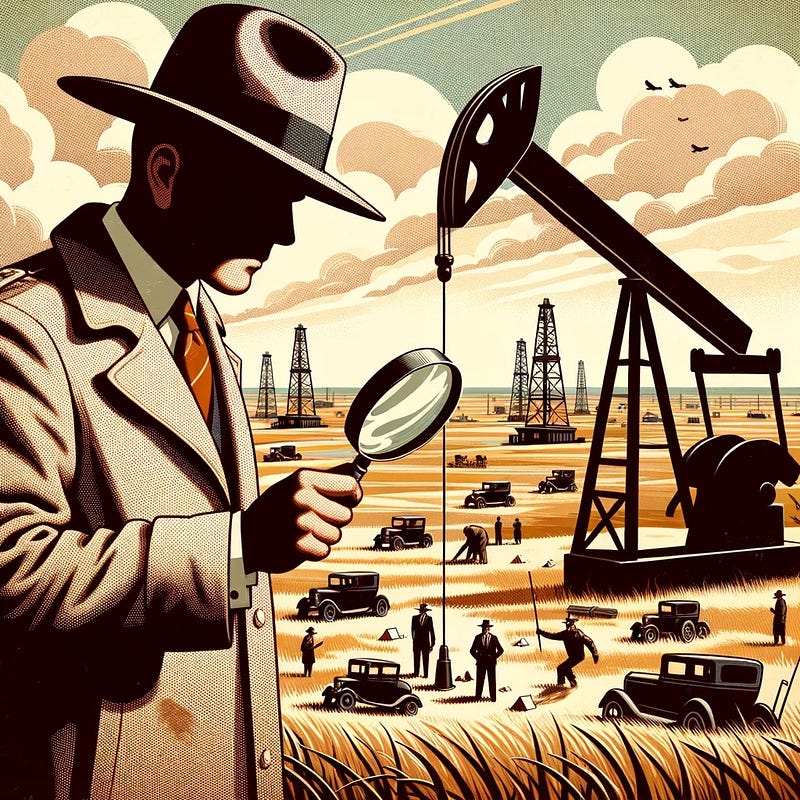
The winds of Oklahoma blow through the plains, and beneath that land, a black liquid is hidden.
The Osage tribe lived owning nothing. They lived modestly, according to tradition, and believed in God. That’s how they had always lived.
Then, in the 1920s, the discovery of oil changed the fate of the Osage tribe overnight.
Oil gushed from their villages. They quickly realized the power, wealth, and fame that this fortune brought, and they rejoiced at the sight of the gushing oil.
However, that wealth marked the beginning of their catastrophe.
Martin Scorsese’s latest work, 「Killers of the Flower Moon,」 is not just a movie.
It is a story of truth.
It vividly depicts the tragic history of the Native Americans, the battles over the oil they possessed, and the intertwining human emotions.
In this article, we delve into the truth behind the story and the skills of director Martin Scorsese who shot the film.
Note: The following contains significant spoilers for 「Killers of the Flower Moon.」
If you haven’t seen the movie yet or want to avoid spoilers, please watch the movie before reading this article. If you’re okay with knowing the spoilers, please continue.
Story

Director Martin Scorsese’s works consistently seem to explore the theme of 「immorality.」
This theme is vividly depicted through the actions, choices, and underlying motivations and backgrounds of characters in his films.
In 「Goodfellas」 and 「The Wolf of Wall Street」 the protagonists are people from society’s underbelly, such as gangsters and swindlers.
At first glance, these characters often take actions that are deemed immoral and are condemned by many.
However, behind their actions lie societal contradictions, inequalities, and human desires and fears.
In 「Killers of the Flower Moon」the central theme revolves around the desire and betrayal surrounding oil money.
The film deeply examines how desire distorts human actions and choices, and how, as a result, immoral acts emerge.
The reason Scorsese focuses on immorality is likely rooted in his own background, experiences, and worldview.
He comes from a Catholic faith background and has a deep interest in the themes of sin and atonement.
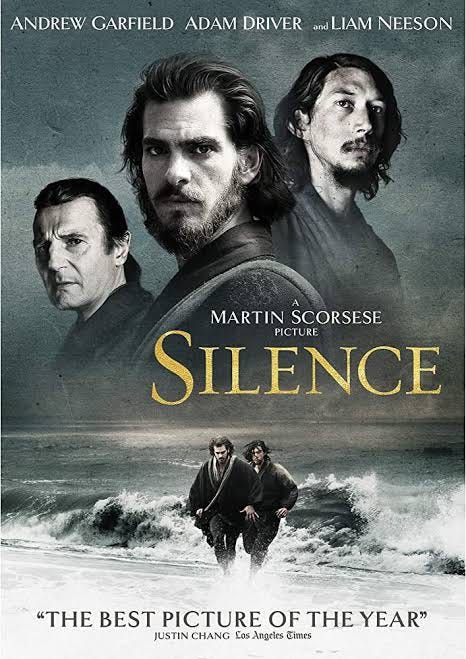
From this background, themes of human sinfulness and redemption are recurrently portrayed in his works. In fact, he has addressed this theme in films like 「Silence」
Furthermore, Director Scorsese delves deeply into human desires, fears, and the societal issues and contradictions that lie behind them in his films.
His works prompt viewers to reflect on their actions, choices, and the underlying motivations and values.
Why did they act this way? What would we do if placed in such situations? What should we do?
By presenting themes that provoke such thoughts, his films resonate deeply with audiences.
In summary, Martin Scorsese’s films explore the theme of immorality, highlighting human nature and societal contradictions, providing viewers with profound resonance and opportunities for reflection.
His films possess value beyond mere entertainment. They stimulate the hearts and minds of viewers and continue to be cherished by many.
Characters

Before introducing the characters, I would like to provide a more detailed synopsis.
The movie 「Killers of the Flower Moon」 is set in Oklahoma, USA, in the early 20th century and revolves around the Osage tribe who struck oil and acquired immense wealth.
However, white settlers, coveting this wealth, approach the Osage. Using clever manipulation, they gradually steal the tribe’s property. These white settlers go even further, committing heinous acts and taking the lives of the Osage.
Within these events, the character Ernest Burkhart, played by Leonardo DiCaprio, falls in love with an Osage woman, Mollie Kyle, portrayed by Lily Gladstone.
In the movie, characters like Ernest, played by Leonardo DiCaprio, and Hale, played by Robert De Niro, aim for the oil money.

Without hesitation, they engage in robberies, murders, and political marriages, trying to seize the Osage’s inheritance.
Their actions can be seen as the epitome of immoral characters often found in Scorsese’s films. Uncle Hale, in particular, is an extreme embodiment of this immorality.
Hale orchestrates a series of actions to steal rights, money, and lives from the Indians, all without showing a hint of guilt.
He even learns their language to feign friendship.
Yet, in contrast, Ernest is not completely devoid of conscience.
He feels guilty about his actions. While he does plan and commit heinous acts for money, seeing his wife grieve for her lost family members showcases his inner turmoil.
Despite being responsible for their deaths, he’s visibly troubled by it.
By the end, Ernest even contemplates killing his wife with poison.
However, when confronted by her, he never confesses this. It seems he still desires her love and wants a life with her.
Despite confessing to other crimes, he never admits this particular intent.
Characters like Ernest, riddled with such contradictions, are often portrayed in films and literature as fascinating entities.
They are more relatable than characters like Superman or Voldemort. We can easily empathize with characters like Forrest Gump because they feel real.
Take, for example, the TV series 「Breaking Bad.」 The main character, Walter White, delves into drug production after a cancer diagnosis, all to protect his family’s future.
His morally questionable actions, driven by love and desperation, resonate with the audience.
Additionally, characters with such contradictions add layers to a story.
In the movie 「Taxi Driver,」 Travis Bickle feels rage against urban decay while seeking a pure form of justice. This makes the narrative unpredictable and intriguing.

Furthermore, these characters are perfect for exploring deep themes.
The movie 「American Beauty」 highlights the emptiness of modern society and human desires through Lester Burnham, who grapples with midlife crisis and familial relationships.
Martin Scorsese masterfully depicts human contradictions and societal complexities in his works. 「Killers of the Flower Moon」 is a prime example, exploring these themes deeply.
Beyond just storytelling and character development, Scorsese delicately portrays the tragic history of the Indians.
His films are more than just entertainment; they stimulate the heart and mind. I highly recommend experiencing their depth for yourself.
Finally, I’m aiming for 10,000 followers, so if you like the article, it will be very encouraging if you can follow me, comment, clap, etc.
Thank you from the bottom of my heart for your support.

This is the book on which the movie is based. If you are interested, please read this book as well.