
Marriage Prep: Part II
Imbalance
Love can never be equal — inevitably one partner will have greater affection than the other. However, the imbalance can not be too great. Take time to judge the imbalance in your relationship. While you are dating, it is possible that you will ignore that imbalance. However, if the imbalance persists too long — resentment will certainly occur.
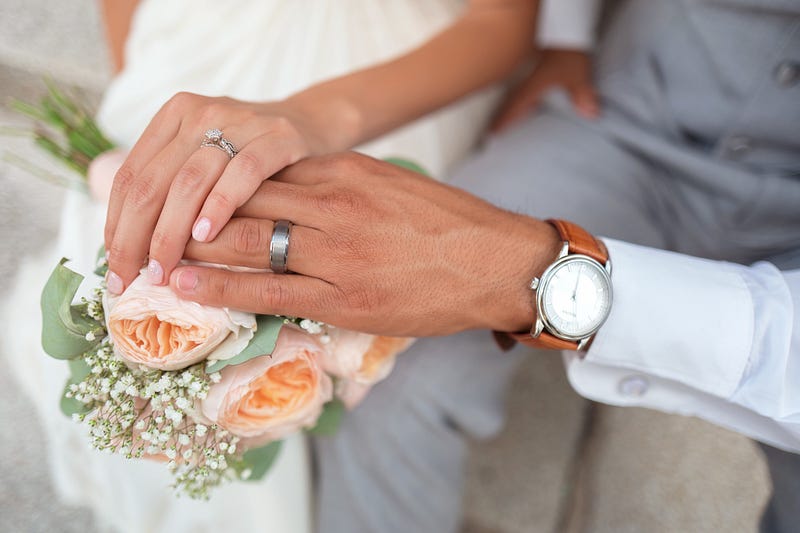
In most cases, people enter romantic relationships in search of intimacy, companionship, and mutual support. Life’s difficulties are often made easier to bear when someone else shares the load.
When something comes up that you can’t handle on your own, you may turn to your partner for comfort and guidance in a healthy relationship.
Relationships, on the other hand, cannot thrive in the absence of balance. If one partner consistently provides the majority of the financial or emotional support, your relationship may be one-sided, or unbalanced.
It’s discouraging to put effort into showing up for a partner who doesn’t appear to be invested in the relationship. Aside from causing frustration, one-sided relationships can sour your affection and harm your mental health.
Signs of Imbalance
Every relationship is unique, and partners may experience personal difficulties that affect their ability to contribute equally to the relationship from time to time — and that’s OK.
However, when one partner consistently contributes more to the relationship, there is often trouble ahead.
Here are some more indicators that your relationship is out of balance.
An ongoing sense of insecurity
When your partner doesn’t appear to be all that invested, you may begin to doubt their commitment.
That is completely understandable. You put the relationship first and make a concerted effort to communicate, spend quality time together, and assist when needed. If they do not make an equal effort, you may begin to wonder if they truly care about you.
Alternatively, they may show a lot of affection but appear uninterested in discussing future plans, such as moving in together or planning a vacation for next year. This can give you the impression that they prefer to keep one foot out the door.
Granted, some people are more outspoken than others, but it’s generally not a good sign when you have doubts about their feelings. This insecurity can undermine your trust in your partner, fueling anxiety and conflict.
Communication patterns can also reveal one-sidedness.
You freely express your displeasure with your best friend following an argument, or your joy and satisfaction when your boss singles out your work for praise. Your partner, on the other hand, shares almost nothing about their life, no matter what happens.
Perhaps you’ve noticed they’re a good listener. They never interrupt or divert your story to their own. At the same time, they rarely share their own anecdotes.
When you struggle to communicate with someone, you may feel as if you don’t know them very well. This can also lead to ineffective conflict. You want to get to the bottom of the issue and work it out, but they just brush it off with “It’s fine” or “Don’t worry.”
Finally, even if you want to achieve more authentic communication, you may find it increasingly difficult to open up because they never reciprocate.
Finally
Acknowledge the imbalance before you tie the knot. Be willing to discuss it with your potential mate. If you start on the wrong foot, getting on the right foot may never happen. If your marriage lasts, an unhappy marriage threatens your inner peace and ultimate happiness.