
Marilyn Monroe: From Abandoned Orphan to American Sex Symbol
Marilyn Monroe — the most famous blonde in history
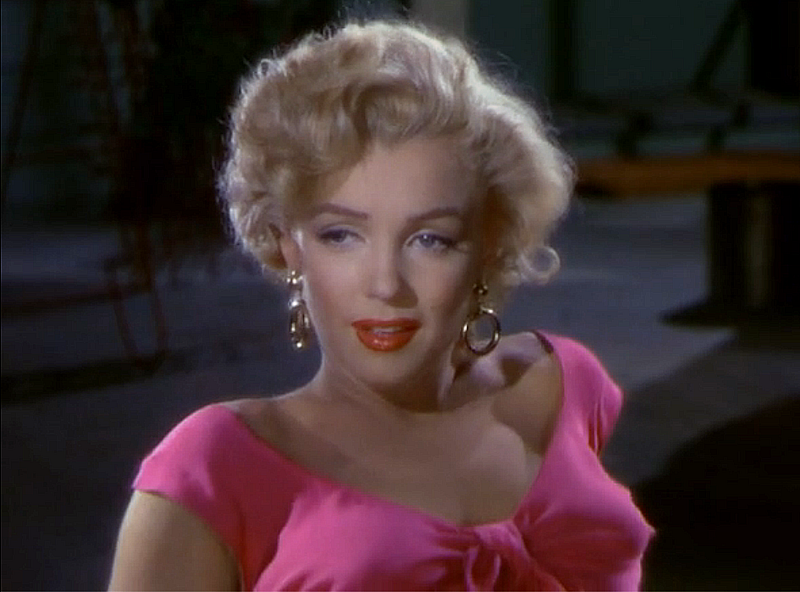
Marilyn Monroe, the epitome of sex appeal in the 1950s, continues to captivate audiences today as an enduring icon of beauty and femininity. While she is often celebrated for her enchanting allure, Monroe’s journey from a tumultuous childhood to Hollywood stardom reveals a complex and tragic narrative.
“I believe that everything happens for a reason. People change so that you can learn to let go, things go wrong so that you appreciate them when they’re right, you believe lies so you eventually learn to trust no one but yourself, and sometimes good things fall apart so better things can fall together.” said Marilyn Monroe
Marilyn Monroe’s Turbulent Childhood: Abandonment and Abuse
Born Norma Jeane Mortenson on June 1, 1926, in Los Angeles, USA, Marilyn Monroe’s early life was marked by instability and hardship. Her father was absent, and her mother, Gladys, struggled with severe mental illness, eventually being institutionalized. Monroe’s recollections of her childhood include traumatic experiences, such as her mother’s attempt to smother her with a pillow as an infant.
Following her mother’s institutionalization, Monroe was shuttled between foster care and various temporary homes. At one point, she lived with family friends, who were paid by her mother to care for her. Despite their financial arrangement, Monroe’s childhood was far from nurturing, as she endured strict religious constraints and emotional neglect.
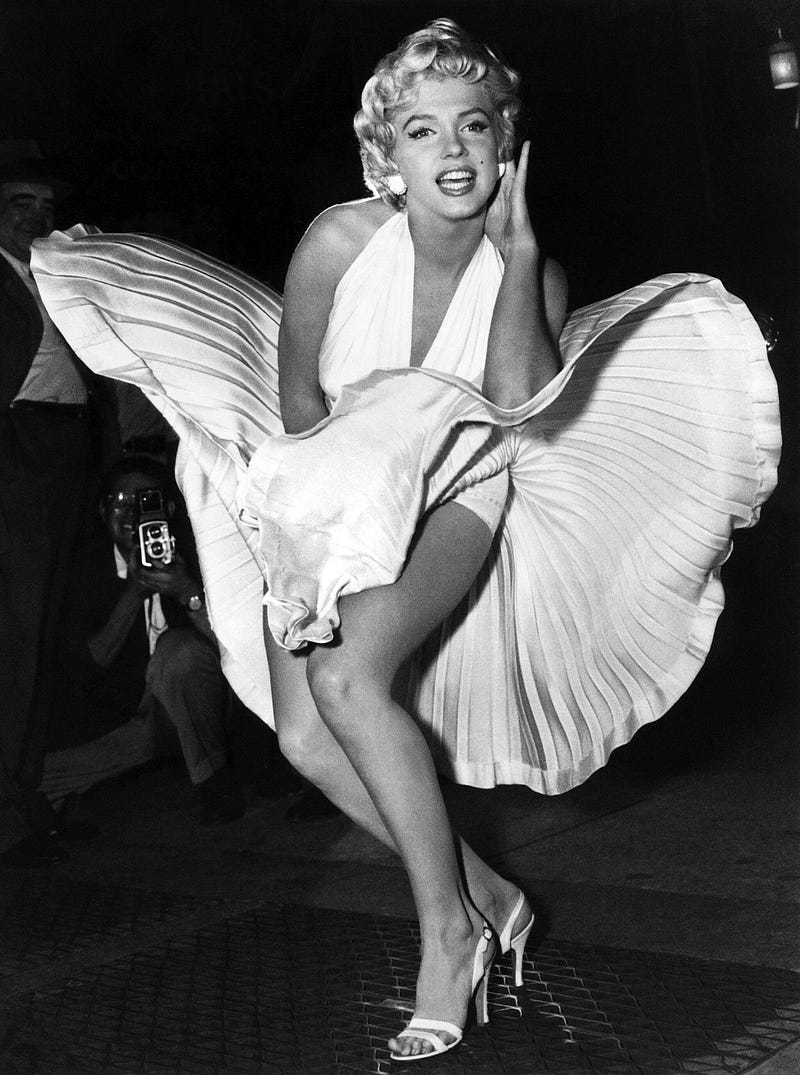
“If you can make a girl laugh, you can make her do anything.” said Marilyn Monroe
Precocious Marriage and Early Struggles
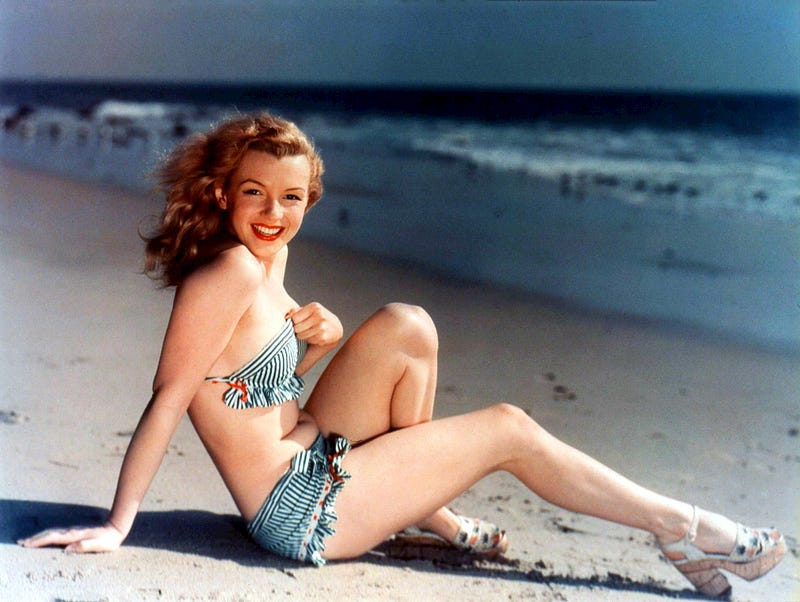
At the tender age of 16, Monroe married her boyfriend, James Dougherty, who soon enlisted in the US Navy. While her husband was stationed abroad, Monroe found employment in a munitions factory, where her striking beauty caught the attention of a photographer. Thus began her foray into modeling, during which she adopted the stage name “Marilyn Monroe” in anticipation of a film career.
Ascension to Stardom: Modeling and Acting Career
Monroe’s ascent to fame was gradual but steady. She signed with the Blue Book modeling agency, underwent a transformation with her signature blonde hair, graced the covers of magazines, and appeared in advertisements. Despite facing initial setbacks in her acting pursuits, Monroe persevered, securing a contract with Columbia Pictures in 1948. It was her roles in films like “Gentlemen Prefer Blondes” and “How to Marry a Millionaire” that propelled her to superstardom, captivating audiences with her charm and charisma.
“Imperfection is beauty, madness is genius and it’s better to be absolutely ridiculous than absolutely boring” said Marilyn Monroe
Turbulent Relationships and Personal Struggles
While Monroe’s professional success soared, her personal life was marked by tumultuous relationships and inner turmoil. Her brief marriage to baseball legend Joe DiMaggio ended in divorce, partly due to conflicting desires for domesticity and career fulfillment. Monroe’s subsequent marriage to playwright Arthur Miller provided temporary solace but ultimately crumbled under the strain of mismatched expectations and emotional discord.
Descent into Turmoil and Tragedy
As Monroe grappled with the pressures of fame and the disillusionment of failed relationships, her mental health deteriorated. Despite achieving critical acclaim for her performances in films like “Some Like It Hot,” her erratic behavior and substance abuse became increasingly problematic. The unraveling of her marriage to Miller and a series of professional setbacks exacerbated her emotional fragility, culminating in her tragic death at the age of 36 from a drug overdose.
Legacy and Speculation
In death, Monroe’s legacy endures as a symbol of glamour and vulnerability. Her association with political figures like President John F. Kennedy has fueled enduring speculation and conspiracy theories surrounding the circumstances of her demise. Yet, beyond sensationalism, Monroe’s story serves as a poignant reminder of the human cost of fame and the enduring struggle for identity and fulfillment in the face of adversity.
“Beauty and femininity are ageless and can’t be contrived, and glamour, although the manufacturers won’t like this, cannot be manufactured. Not real glamour; it’s based on femininity.” said Marilyn Monroe
- In August 2015, a luxury apartment on New York’s Upper East Side, which the actress said was her “sanctuary,” appeared on the real estate market for rent for $27,500 a month. That four-bedroom apartment, which belonged to fashion photographer Milton Greene — her partner in founding the production company — was her own home when she left her hometown of Los Angeles for a while to spend a few days in New York.
- On November 17, 2016, a Beverly Hills auction sold the famous skin-tight dress Marilyn Monroe wore when she lewdly sang “Happy Birthday” to President John F. Kennedy on her 45th birthday for $4.8 million. The skin-colored dress, hand-embroidered with 2,500 crystals, was designed to fit Marilyn’s shape — she wore no lingerie — and had to be sewn onto the actress shortly before she took the stage at Madison Square Garden in New York on May 19, 1962.
- Another very famous dress, which she wore when she sang the song “After You Get What You Want, You Don’t Want It” in another famous comedy, “There’s No Business Like Show Business” (1953), was valued at US$200,000.
- Finally, let’s say that the notion of sex symbol has evolved a lot over time: Marilyn Monroe wore a size 42 in those days, had broad shoulders, and had thick thighs, which in today’s times would mean size 46, i.e., very far from today’s beauty canons.
Thanks for reading


