
Margins in Milk-Based Beverage
Lactose to Liquid Gold
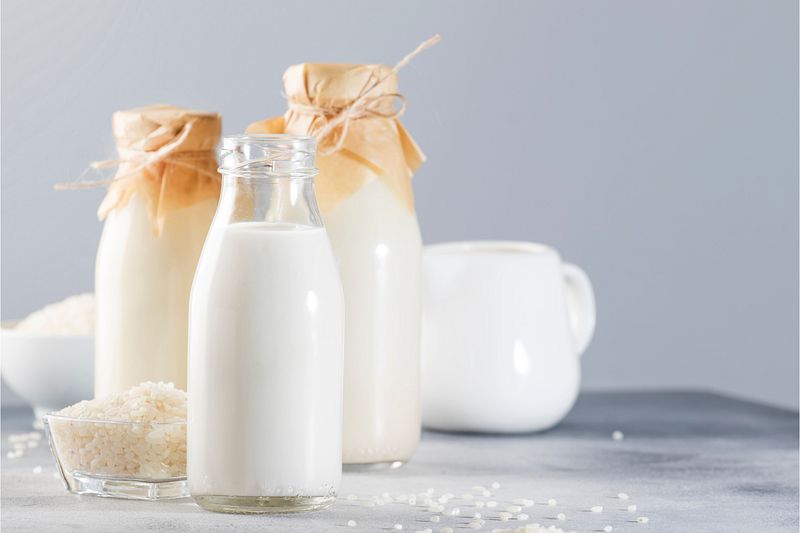
In the ever-expanding startups, few ventures are as simple yet challenging. Milk-based beverages are one such venture.
At first glance, it seems straightforward.
Milk is a staple in countless households.
It’s infused with flavors or combined with health supplements.
It’s packaged.
Voilà!
Yet, pitfalls riddle the journey from cow to cup. They could curdle even the creamiest dreams.
Understanding Market Demands
The milk-based beverage sector is not about milk. It’s where consumer trends, dietary needs, and culinary innovations intertwine. My first exposure to this industry was through an acquaintance, Jamie. Jamie launched a startup that focused on artisanal milk-based drinks. Jamie’s vision was to infuse traditional milk beverages with health-oriented twists. Think turmeric-infused lattes and protein-packed milkshakes.
Jamie soon realized that understanding the market was like lassoing a wild steer. The health trend was on the rise, but so were plant-based alternatives. Cow’s milk was a staple. Still, a growing segment of the population was either lactose-intolerant or choosing vegan lifestyles. This was the first lesson in consumer behavior for any milk-based beverage startup. Know your audience. Are you catering to health enthusiasts, traditionalists, or the eco-conscious crowd?
Sourcing and Sustainability
The source of the milk is another critical factor. I visited a local farm with Jamie. The ‘happy cows’ concept was not a marketing gimmick but a business model. The quality of milk depends on how farmers raise the cattle. Grass-fed, free-roaming cows tend to produce richer, better-quality milk.
With quality comes cost.
Premium milk sources can strain the already thin margins of a startup. This is where sustainability enters the picture. Consumers are aligning their purchases with their values. A startup has a competitive edge. It has quality products and a commitment to sustainable practices. But how do you balance these costs? Jamie’s approach was to integrate a story with each product. The story was about the farm, the cows, and the environmental impact. This added value to every sip.
Flavors and Formulations
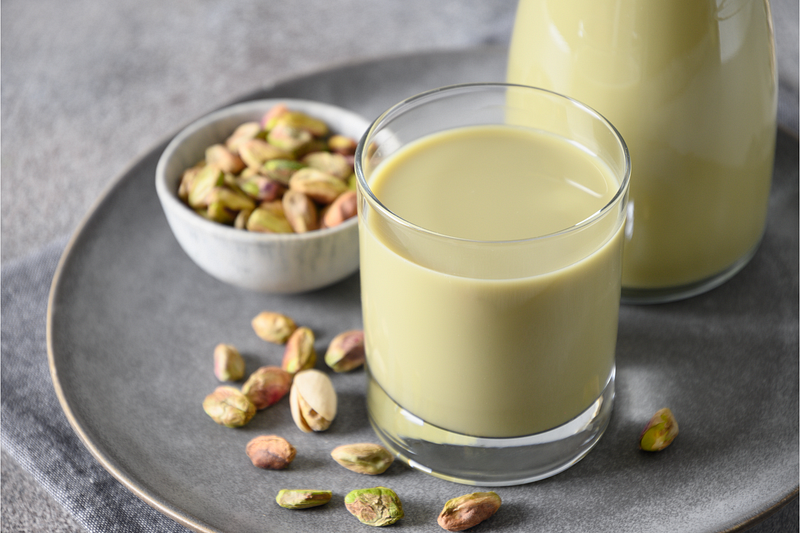
Innovation is the lifeblood of any startup. This is especially true in a saturated market like milk-based beverages. The trick is to churn out products that resonate with novelty and nostalgia. Jamie experimented with flavors ranging from classic chocolate to exotic matcha. But the real game-changer was incorporating dietary supplements like probiotics and vitamins. This added a health quotient to the beverages and opened up a new market segment.
Marketing is where many startups spill their milk. In the digital age, consumer engagement goes beyond the product. It’s about creating an experience. Jamie’s strategy involved heavy social media engagement. It included interactive campaigns and a focus on storytelling. The brand wasn’t selling milk drinks; it was selling a lifestyle. Collaborations with fitness influencers, recipe contests, and sustainability drives amplified the brand’s presence.
Pricing and Profitability
Pricing is a tightrope walk in the milk-based beverage industry. Set it too high, and you risk alienating a large customer base; set it too low, and you’re in a financial puddle. Jamie adopted a tiered pricing strategy. They offer price-conscious products and premium offerings for the indulgent spender. This not only widened the market reach but also buffered the financial risks.
Stirring the Pot
No startup is without its curdles. Jamie faced challenges ranging from supply chain disruptions to regulatory hurdles. What set the startup apart was its ability to adapt. It shifted to local suppliers during a global logistics crisis. It tweaked recipes to follow health regulations. It even explored alternative milk sources like oat and almond milk.
Beyond the Beverage
The impact of a successful milk-based beverage startup goes beyond profit margins. It can ripple through the community. This supports local farmers, encourages sustainable practices, and promotes a healthier lifestyle. For instance, Jamie’s initiative created a bond between consumers and local dairy farms. It fostered a sense of community and responsibility.
Crafting the Culture
A startup’s responsibility doesn’t end with the product. It extends to how business impacts society and the environment. This realization led Jamie to incorporate packaging and support local environmental initiatives. The goal was not to sell a product. Instead, it was to set a precedent for responsible business practices in the industry.
Technology plays a pivotal role in the success of any startup. The right digital strategy can amplify a brand’s reach. It applies to e-commerce platforms and social media marketing. Jamie’s targeted social media ads, engaging online content, and e-commerce platform were vital for success.
Securing funding is a step for any startup. Given the competitive landscape, this can be particularly challenging for milk-based beverage ventures. Crowdfunding, angel investors, and venture capital are viable options. Yet, each option comes with its challenges and expectations. Jamie’s approach involved bootstrapping. He also sought investments from people passionate about food and sustainability, aligning investors’ interests with the brand’s ethos.
Evolving Trends and Opportunities
The milk-based beverage industry is evolving. The rise of plant-based alternatives, the focus on functional beverages, and the integration of technology are shaping the future of this sector. For startups, this means continuous innovation and staying ahead of trends. It’s not about catching the wave but being the wave.
Starting a milk-based beverage venture is not for the faint-hearted. It requires passion, resilience, and a commitment to your vision. But for those willing to take the plunge, it’s an opportunity to make a tangible impact.
They can affect consumers’ health, local communities, and the environment.
Thanks for taking the time to read. I’d like to hear your perspective.
You can also refer to related articles:

Please subscribe here to receive the latest insightful stories by email.
Did you find this enjoyable? If so, remember to hit the clap button, which you can press up to 50 times and comment.Take advantage of more from me — ensure you’re following if you still need to. Thank you for being an integral part of my journey.


