
Marching Towards Power: The Long March, Mao Zedong, and the Rise of China’s New Elite
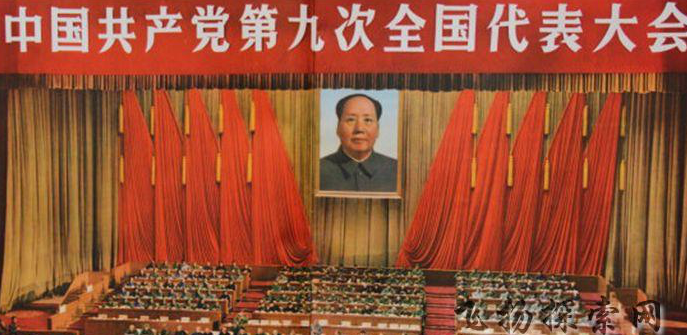
The emergence of the Chinese elite is deeply intertwined with the historic Long March and the ascension of Mao Zedong as a central figure in Chinese politics. This complex journey not only reshaped China’s political landscape but also laid the foundations for the rise of a new elite class within the Chinese Communist Party (CCP).
The Long March: A Turning Point
The Long March (1934–35), a monumental 6,000-mile journey undertaken by the Chinese Communists, was a defining moment in the Chinese Civil War and the struggle of the Chinese Communist Party (CCP) against the Nationalist forces of Chiang Kai-shek. This strategic retreat from their encircled headquarters in southeastern China to a new base in northwestern China was not only a military maneuver but also a symbol of resilience and determination that solidified Mao Zedong’s position as the undisputed leader of the CCP.
The Long March began on October 16, 1934, in response to the imminent defeat of the Communist forces. The CCP decided to break through the Nationalist encirclement at its weakest points. The march initially involved 86,000 troops, 15,000 personnel, and 35 women, stretching over 50 miles. The marchers, bearing weapons and supplies, often traveled at night, creating a long column of torches visible over hills and valleys. The first major setback occurred at the Hsiang River in November 1934, where the Communists lost over half their number.
Mao Zedong’s influence grew during this time, and in January 1935, he was reinstated as chairman during a key meeting in Tsuni. He implemented a new strategy, dividing his force into several columns to confuse the enemy, and redirected the destination to Shaanxi Province in the far northwest, intending to confront the Japanese invaders and gain the support of China’s populace.
The journey was arduous and fraught with challenges, including starvation, aerial bombardment, and near-daily skirmishes with Nationalist forces. The march concluded at the foot of the Great Wall of China on October 20, 1935, with only about 4,000 troops completing the journey. The Long March traversed 24 rivers and 18 mountain ranges, many snow-capped, and was the longest continuous march in the history of warfare. This epic trek not only ensured the survival of the CCP but also led to Mao Zedong’s secure grasp on its leadership and ultimately to the creation of the People’s Republic of China.
Mao Zedong’s Rise to Power
Before the Long March, Mao Zedong’s journey within the Chinese Communist Party (CCP) was marked by significant challenges and pivotal moments that shaped his path to leadership. Initially, Mao’s focus was on developing guerrilla warfare tactics in the countryside, which, at the time, were viewed as interim measures until a revolution could be sparked in urban centers. However, Mao’s perspective shifted dramatically following a series of events that began to highlight the revolutionary potential of the peasantry.
Mao’s early years in the CCP saw him actively participating in the formation of the party’s strategies. His involvement in the Socialist Youth League and his alliance with Sun Yat-sen’s Nationalist Party (Kuomintang) in the early 1920s were key steps in his political career. However, it was his return to his native village in Hunan in the winter of 1924–25 that brought a profound change in his outlook. Witnessing peasant protests first-hand, Mao realized the immense potential of the rural population in China’s revolutionary movement.
This realization led Mao to focus on organizing peasant associations, which played a significant role in strengthening the communists’ position in rural areas. Despite being pursued by the military governor of Hunan and facing challenges within the Nationalist Party, Mao’s work with peasants was instrumental in laying the groundwork for the CCP’s future strategies.
Mao’s role in the CCP and his strategies, however, were not without controversy. There were disagreements among party leaders and scholars about the extent of his influence and control over military and policy decisions during this period. Despite these challenges, Mao’s work in organizing and empowering the peasantry was crucial in building a base for the CCP.
The Long March, beginning in October 1934, marked a significant turning point for Mao. The arduous journey not only demonstrated his resilience but also solidified his leadership within the party. The Zunyi Conference in January 1935 was particularly pivotal, as Mao maneuvered himself into a position of dominance within the CCP. This period was characterized by Mao’s growing influence and the strategic shift towards a united front against Japanese aggression.
Formation of the Chinese Elite
The survivors of the Long March, who had braved extreme hardships, formed the core of a new elite within the CCP. Their experiences during the march imbued them with a strong sense of loyalty to Mao and the party’s cause. These individuals became instrumental in shaping the future direction of the CCP and, by extension, the future of China.
During the march, Mao’s ideas were spread to hundreds of villages, leaving a lasting impact on the rural population. Methods such as mass meetings, education programs, land redistribution, and the respectful treatment of peasants were used to disseminate communist ideology. This ‘seeding’ process helped the CCP gain crucial support among millions of peasants across China.
The marchers’ spirit of self-sacrifice and bravery was romanticized and became a part of CCP legend, further elevating the status of its leaders. The Long March solidified Mao Zedong’s leadership and reinforced his ideas about the role of peasants in the revolution. It also led to the party’s independence from USSR control at Zunyi and improved the Red Army’s tactics.
The Long March served as a transformative period, not just in the military sense but also in the ideological and organizational strengthening of the CCP. The hardships and triumphs of the march were instrumental in forging a strong party unity and identity among the survivors, which played a pivotal role in the subsequent developments in Chinese history.
Post-Long March Developments
Following the Long March, Mao Zedong and the Chinese Communist Party (CCP) emerged significantly strengthened, setting the stage for their eventual victory in the Chinese Civil War. This victory was not just a military triumph but also marked a profound shift in the political and social structure of China.
In 1949, following their success in the civil war, Mao Zedong and his followers established the People’s Republic of China (PRC). This momentous event signified the replacement of the old ruling elite, dominated by the Nationalists (Kuomintang), with a new elite centered around Mao and his close associates, many of whom were veterans of the Long March. The CCP’s leadership, now at the helm of the newly formed PRC, was deeply influenced by the trials and tribulations of the Long March and the subsequent civil war.
As the new governing body of China, the CCP, under Mao’s leadership, began implementing far-reaching policies that would shape the nation’s course for decades. These policies were rooted in Marxist-Leninist ideology and aimed at transforming China from a semi-feudal, semi-colonial society into a socialist state. The land reform campaign against landlords and the suppression of counterrevolutionaries were among the first major actions undertaken by Mao’s government.
Additionally, Mao played a crucial role in enforcing a command economy in China, constructing the first Constitution of the PRC, and initiating various military and industrial projects. These included the “Two Bombs, One Satellite” project and Project 523, reflecting China’s aspirations in military and technological advancements.
Mao’s foreign policies were also noteworthy, particularly during the Sino-Soviet split, which created a rift between China and the Soviet Union. Domestically, he launched campaigns like the Anti-Rightist Campaign, the Great Leap Forward, and the Cultural Revolution. While these campaigns had significant impacts on Chinese society and economy, they also led to periods of hardship, including the Great Chinese Famine.
Mao Zedong’s leadership saw China’s population grow substantially, and his policies and governance style have been the subject of much discussion and analysis. He is considered one of the most influential figures of the 20th century, credited with shaping modern China’s trajectory.
Thus, the establishment of the People’s Republic of China under Mao Zedong marked the beginning of a new era in Chinese history, characterized by transformative changes in the nation’s political, economic, and social spheres.


