avatarDebbie Walker

Free AI web copilot to create summaries, insights and extended knowledge, download it at here

2531

Abstract

rved up some fresh spuds during a White House dinner that <a href="https://www.littlepotatoes.com/blog/origin-of-potatoes/">potatoes</a> were seen in a whole new light. Now they are America’s favorite veggie.</p><p id="c79e">Potatoes became so important that it affected entire cultures. Population booms seemed to follow them wherever they went, and none were so dramatic as in Ireland. Potatoes became a staple in the homes of Irish families.</p><h1 id="6481">Irish Tater Culture</h1><p id="ffde">By the 1700s, potatoes were widely cultivated in Ireland. The moist, cloudy and cool climate was uncannily like the South American highlands of their origin.</p><p id="659b">For the Irish tenant farmers, with barely an acre to cultivate, potatoes produced larger and more reliable yields than grains. The typical Irish peasant ate up to 14 pounds of potatoes each day, providing 80 percent of caloric intake.</p><p id="77dc">The potato transformed the Irish. As an almost perfect food, potatoes are loaded with protein, vitamins, and complex carbohydrates.</p><p id="6ea3">The <a href="https://www.post-gazette.com/opinion/Op-Ed/2012/03/16/Irish-roots-The-potato-s-role-in-history-goes-far-beyond-the-famine/stories/201203160214">Irish</a> grew bigger, stronger, and healthier. Soon they towered in physical stature over their rural English counterparts who subsisted on bread. From 1780 to 1840, the Irish population doubled, from 4 million to 8 million.</p><h1 id="0258">The Tater Blight</h1><p id="92cf">Then came the Potato Blight. Originating in Mexico, a fungus, <a href="https://en.wikipedia.org/wiki/Phytophthora_infestans">Phytophthora infestans</a>, caused mildew to form on all parts of the potato plant that spread throughout Western Europe in 1845.</p><p id="51de">As Ireland’s principal crop, the potato represented the poor farmer’s meager livelihood and sustenance. The Irish peasants were at risk of both starvation and losing their homes and farmland.</p><p id="d01a">By 1848, one million people had perished. Then, one and a half million emigrated, mostly to the United States.</p><h1 id="9078">Tater Types</h1><p id="24bb">I thought a potato was just a potato. But I discovered that there are over 200 varieties of potatoes sold throughout the United States. Each of these varieties fit into one of seven potato-type categories: russet, red, white, yellow, blue/purple, fingerling, and petite.</p><p id="4852">Of these, the <a href="https://www.tasteatlas.com/most-popular-potatoes-in-north-america">russet</a> is

Options

the most popular potato consumed by Americans. Grown in Idaho, most people associate it with Russet Burbank, which has a distinctive, earthy flavor and high content of solids, making it ideal for baking.</p><p id="abaf">Then there is the golden variety of potato. The Yukon Gold is an all-purpose potato with yellow skin and yellow flesh. These potatoes are usually round or oblong and slightly flattened. In my comparison of potatoes, I like this kind the best.</p><h1 id="fdab">Tater Cookin’ Secrets</h1><p id="c8fe">During my research of the mighty potato, I found several secrets to cooking them:</p><ul><li>Soak peeled and cut potatoes in cold salted water for at least 30 minutes to draw out the starch, which produces a crispy fry when frying. (Remember, dry them off first!)</li><li>Add a little vinegar to boiling potatoes to keep them firm for potato salad. (I mash all my ingredients together, then add a teaspoon of vinegar.)</li><li>For the perfect baked potato, do not foil it. Instead, poke 3 or 4 holes in the potato and place it directly on the oven rack. (Don’t forget to salt and oil it first.)</li></ul><p id="d0c1">Wow! From the Incas to Ireland to the American table, the mighty potato has impacted the world. No wonder we celebrate today as National Tater Day!</p><p id="ebb8"><a href="https://adept-pioneer-846.ck.page/fd468800ee"><i>Here’s my secret weapon to help women in the middle.</i></a></p><p id="8c6f"><a href="https://readmedium.com/22ec1fce9d86?source=post_page-----3a523eb02b25-----------------------------------"><i>Debbie Walker</i></a><i> is a great-grandmother, writer, blogger, and the creator of <a href="https://medium.com/middle-pause">Middle-Pause</a> & <a href="https://medium.com/forwardmotion">Forward Motion</a>, the podcast <a href="https://anchor.fm/middle-pause">STOMP!</a>, MPM Publishing, and is editing a <a href="https://www.amazon.com/Menopause-Caregiving-anthology-middle-caregiving-ebook/dp/B09NV99ZKQ/ref=sr_1_1?crid=1PNKSVXD4JJNR&amp;keywords=menopause+aging+%26+caregiving&amp;qid=1640898397&amp;sprefix=menopause+aging%2Caps%2C147&amp;sr=8-1">four-book anthology</a> of Middle-Pause writers. Stay in touch at [email protected]; follow her on<a href="https://www.facebook.com/MiddlePauseMedia/"> Facebook;</a> <a href="https://twitter.com/DebbieWalker59">Twitter</a>; <a href="https://www.pinterest.com/21hrezhtupxbq3a/middlepausemedia/">Pinterest</a>; & listen to <a href="https://adept-pioneer-846.ck.page/5d1807ea37">STOMP!</a></i></p></article></body>

March 31 is National Tater Day!

Don’t you just love the almighty spud?
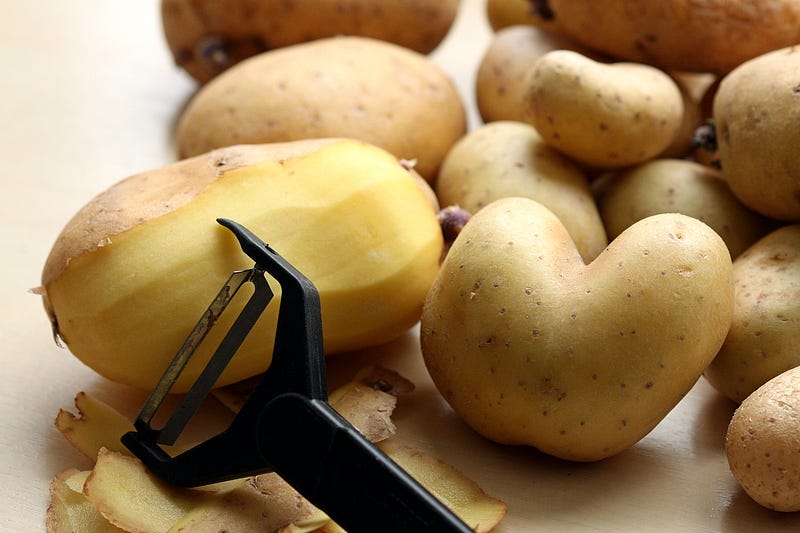
Photo by Peter Schad on Unsplash

Grandma, what’s that smell? Are you making fried taters? Standing on my tippy-toes, I peered over the kitchen table and inhaled the flavor of my grandmother’s fried potatoes.

She cooked them on a woodstove in a deep, black cast-iron skillet with bacon grease, onions, and sweet bell peppers. Doesn’t that make your mouth water? I know, I know, this wasn’t the healthiest way to consume our nation’s favorite vegetable, but I love ‘em!

Today, March 31st is National Tater Day! A time to celebrate the mighty potato in all its glory.

At first, I did not realize the impact of this humble tuber. Potatoes have grown into a cultural symbol from the past to the present. The varieties and recipes number in the thousands. Let’s eat a few fries and walk the potato’s journey across the earth from the field to the table.

Tater Origins

Did you ever wonder where the potato originated from? The potato is native to the Peruvian-Bolivian Andes. It was cultivated in South America by the Incas as early as 1,800 years ago. The Spaniards who colonized South America introduced potatoes into Europe during the second half of the 16th century.

From there, the tater traveled all over northern Europe. However, the Europeans were intensely suspicious of the vegetable because it was a member of the nightshade family. They were afraid of anything grown underground because that was considered the Devil’s realm.

In France, the government banned the potato from 1748 to 1772. The French Parliament reportedly forbade potato cultivation as they thought it to be poisonous, and some even claimed that potatoes caused leprosy.

Then the potato sailed to America. But it wasn’t until Thomas Jefferson served up some fresh spuds during a White House dinner that potatoes were seen in a whole new light. Now they are America’s favorite veggie.

Potatoes became so important that it affected entire cultures. Population booms seemed to follow them wherever they went, and none were so dramatic as in Ireland. Potatoes became a staple in the homes of Irish families.

Irish Tater Culture

By the 1700s, potatoes were widely cultivated in Ireland. The moist, cloudy and cool climate was uncannily like the South American highlands of their origin.

For the Irish tenant farmers, with barely an acre to cultivate, potatoes produced larger and more reliable yields than grains. The typical Irish peasant ate up to 14 pounds of potatoes each day, providing 80 percent of caloric intake.

The potato transformed the Irish. As an almost perfect food, potatoes are loaded with protein, vitamins, and complex carbohydrates.

The Irish grew bigger, stronger, and healthier. Soon they towered in physical stature over their rural English counterparts who subsisted on bread. From 1780 to 1840, the Irish population doubled, from 4 million to 8 million.

The Tater Blight

Then came the Potato Blight. Originating in Mexico, a fungus, Phytophthora infestans, caused mildew to form on all parts of the potato plant that spread throughout Western Europe in 1845.

As Ireland’s principal crop, the potato represented the poor farmer’s meager livelihood and sustenance. The Irish peasants were at risk of both starvation and losing their homes and farmland.

By 1848, one million people had perished. Then, one and a half million emigrated, mostly to the United States.

Tater Types

I thought a potato was just a potato. But I discovered that there are over 200 varieties of potatoes sold throughout the United States. Each of these varieties fit into one of seven potato-type categories: russet, red, white, yellow, blue/purple, fingerling, and petite.

Of these, the russet is the most popular potato consumed by Americans. Grown in Idaho, most people associate it with Russet Burbank, which has a distinctive, earthy flavor and high content of solids, making it ideal for baking.

Then there is the golden variety of potato. The Yukon Gold is an all-purpose potato with yellow skin and yellow flesh. These potatoes are usually round or oblong and slightly flattened. In my comparison of potatoes, I like this kind the best.

Tater Cookin’ Secrets

During my research of the mighty potato, I found several secrets to cooking them:

  • Soak peeled and cut potatoes in cold salted water for at least 30 minutes to draw out the starch, which produces a crispy fry when frying. (Remember, dry them off first!)
  • Add a little vinegar to boiling potatoes to keep them firm for potato salad. (I mash all my ingredients together, then add a teaspoon of vinegar.)
  • For the perfect baked potato, do not foil it. Instead, poke 3 or 4 holes in the potato and place it directly on the oven rack. (Don’t forget to salt and oil it first.)

Wow! From the Incas to Ireland to the American table, the mighty potato has impacted the world. No wonder we celebrate today as National Tater Day!

Here’s my secret weapon to help women in the middle.

Debbie Walker is a great-grandmother, writer, blogger, and the creator of Middle-Pause & Forward Motion, the podcast STOMP!, MPM Publishing, and is editing a four-book anthology of Middle-Pause writers. Stay in touch at [email protected]; follow her on Facebook; Twitter; Pinterest; & listen to STOMP!

Food
History
Food History
Life Lessons
Middle Pause
Recommended from ReadMedium