
Mania Is Only Fun at the Beginning and Never Worth the Price
What you should know about bipolar disorder and mania.

My body shook like I was riding on an ATV on rough trails. A voice inside told me I needed to sleep.
How long has it been? I wondered.
My memory failed me, and my heart refused to care.
Pacing across the ugly pink carpet in my rented mobile home, I walked from the kitchen at one end to the master bedroom at the opposite end.
When my mind spun too fast, I counted my steps. Keeping my body in motion was the only thing that helped me feel any better.
“I’m crazy,” I told myself, and then let out my most maniacal laugh.
“Relax. It was a joke,” I said out loud, but part of me feared it was true.
Then I laughed again at the absurdity of having a conversation with myself.
“It will pass,” I sighed, starting to count my steps. “One. Two. Three. It always passes.”
Numbers made sense, so I counted each step. Kitchen to bedroom, bedroom to kitchen, I marched through my home. I grabbed a beer from the refrigerator on my next pass.
“It will pass,” I repeated, somewhere between 100 and 200 steps, but I was only halfway through my episode.
For days, the impulse to move consumed me. A strange yet familiar feeling possessed me, and I felt both completely connected to and wholly separate from the universe.
A few days later, locked in a psychiatric hospital, I would learn the feeling had a name: mania.
Writing a mania post
Recently, I wrote an updated post about the common symptoms of bipolar disorder.
As part of my publishing process, I go through each article looking for places to link to past content. I’m five years into my writing journey, so it’s pretty easy to find a link to almost any subject.
One topic, though, surprised me. As I scrolled through the titles of hundreds of stories, I found very little about mania.
The lack of content has haunted me ever since.
Mania is one of the most important things to understand with bipolar disorder. While I wrote posts about tough parts of manic cycles, such as bipolar anger and insomnia, and the poem, Fighting Mania, I somehow missed writing about the symptom itself.
Until today.
What is mania?
Cleveland Clinic defines mania:
“Mania is a condition in which you display an over-the-top level of activity or energy, mood or behavior. This elevation must be a change from your usual self and be noticeable by others. Symptoms include feelings of invincibility, lack of sleep, racing thoughts and ideas, rapid talking and having false beliefs or perceptions.”
- Cleveland Clinic
Sound familiar?
If you’ve ever had a manic episode, you likely tick all the boxes. I know I do. Everything from invincibility, or what I call Superman Syndrome, to false beliefs and perceptions.
Mania caused me to have both auditory and visual hallucinations. There’s a fear I can’t even explain at waking up to see a man standing at the end of your bed, only for him to fade into the wall seconds later.
Mania was also the path to many of my worst decisions.
But is it really so bad?
Wishing for mania
I often hear people with bipolar disorder say something like, “I wish I could be manic for a while. I’ve got so much I need to get done.”
Yeah, I get it. I’ve said it before.
There’s a euphoric intoxication at the start of a manic cycle. Everything is bright and beautiful, and the world is full of possibilities only you can see.
Who wouldn’t want that?
If only it were that simple. If only we could stop taking our meds for a few days and have a flood of creativity and energy with no harmful side effects.
If only…
Unfortunately, mania is only fun on the front end. The problem is the pleasant part of mania is short-lived. Before long, other things come in, such as irritability, frustration, paranoia, and hallucinations.
No matter how great it looked in A Beautiful Mind, hallucinations are never fun.
Mania’s dark companion
Maybe the side effects don’t scare you, but there’s more.
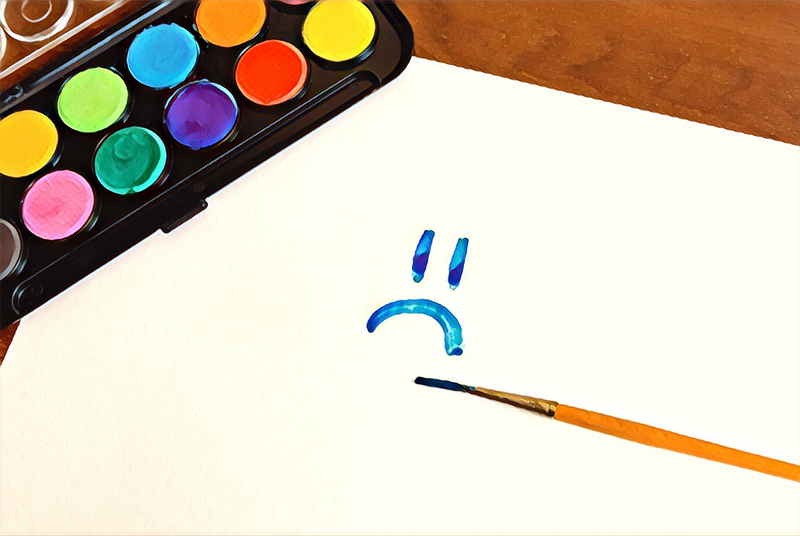
Mania has an evil friend, often invisible, but always a few steps behind: depression.
The higher you fly, the harder you crash. The price of mania is often a crushing blow to your soul.
Depression also brings feelings of guilt, worthlessness, and the belief no one will ever love you. My worst manic episode nearly cost me my life.
Is it worth it?
No, not ever.
Mania and me
I know I was manic when I moved to Tennessee at age 20. The move turned out well, but the way I left made my friends’ heads spin.
In three weeks, I went from helping a friend move to Tennessee to upending my life, quitting my job, and moving 900 miles away from everyone I knew.
To make matters worse, once I was in Tennessee, mania made sleep unnecessary.
I ran constantly, spending as much time as I could with my new friends. Inside, I lied to myself. It was a new town and fresh experiences that made me feel so energetic.
Whatever the cause, I loved the endless energy. I hoped it would last forever.
Three years later, weighing 116 pounds and disconnected from reality, I learned mania was behind the feelings. My bipolar diagnosis followed months of dizzying highs and devastating crashes.
As good as it felt in the beginning, it’s a place I never want to see again.
How to cope with manic episodes
The best way to handle manic episodes is to keep them from happening.
Many surprising things can trigger a manic episode. Intense exercise, a lack of sleep, bright lights, loud music, and large crowds can all trigger mania. It’s vital you learn your triggers so you can avoid or prepare for them.
Sleep is your most powerful weapon for coping with mania. If I can get even five or six hours of sleep at night, I’m much less likely to slip into mania or hypomania.
Another useful tool is mild-to-moderate exercise. I stick to lower impact exercises like walking or using an elliptical machine. Whenever I push myself too hard, I trigger hypomania or worse.
Mixed episodes
Doctors failed to understand this truth for a long time, but it’s possible to have both a manic and a depressive episode at the same time.
Now they call it mixed episodes, and they are just as awful as they sound. Not only do you feel worthless and like your life is pointless, but you have the energy to destroy everything around you.
Looking back through my journals, many terrible decisions came during mixed episodes. It’s when I quit jobs, ended relationships, and ran away from my family.
When I’m in a mixed episode, I feel compelled to run. Voices in my head sing a familiar chorus, telling me the best thing to do is to get in my car and drive away. There’s never a destination in mind, but the urge pushes me to go.
Fight-or-flight tells me I need to flee, and the farther away, the better.

Why you should always watch mania
Manic episodes can be dangerous because they distort how you see the world. The normal warnings that tell you to avoid danger disappear. You know nothing can harm you and anything is possible.
Jumping off the roof of your house? No problem. I can do that.
And I did. Thank goodness I didn’t break any bones.
Picking up random hitchhikers in the middle of the night? Sure why not?
I even let one spend the night on my couch.
Mania makes you blind to consequences. In the grips of a manic cycle, I maxed out credit cards, got engaged to someone I never liked, and broke into a house to steal a weapon.
Mania with hypersexuality is especially dangerous.
It tells you it’s okay to meet internet strangers at 2:00 a.m. in a sketchy part of town. Mania tells you the person in front of you may be unattractive, but they’ll scratch the itch you have right now.
Confronting mania fears
I’m relieved nothing seriously bad happened to me during manic episodes, but the fear is always with me.
I think I’ve avoided writing about mania because it’s a part of bipolar that still scares me.
Every time I have a good day, I wonder if it’s the start of mania. Even worse, when my friends see me smiling and laughing, I’m always afraid they will think I’m starting a manic episode.
If you feel the same way, never forget that a good day and mania are different things.
You should have both good days and bad days, even when you’re on the right medication and treatment plan.
Every sunny day is not a hypomanic episode, the same way that every thunderstorm is not a depressive one.
Mania is a symptom you should watch, but also one you can control. The way you live your life every day will have the biggest impact on whether you have manic episodes.
Get to know your triggers. Stick to your treatment plan. Exercise at the right intensity. And always get enough sleep.
Your everyday habits will do the most to help keep your bipolar disorder under control.
Until next time, keep fighting.
Sign up for my FREE Sunday All Things Bipolar Newsletter (off-site link) and I’ll send you a few downloadable gifts to improve your life.
Originally published at https://speakingbipolar.com on September 20, 2023.


