
Mangroves — A Vital Carbon Sink
Haiku — We must protect and preserve these valuable ecosystems
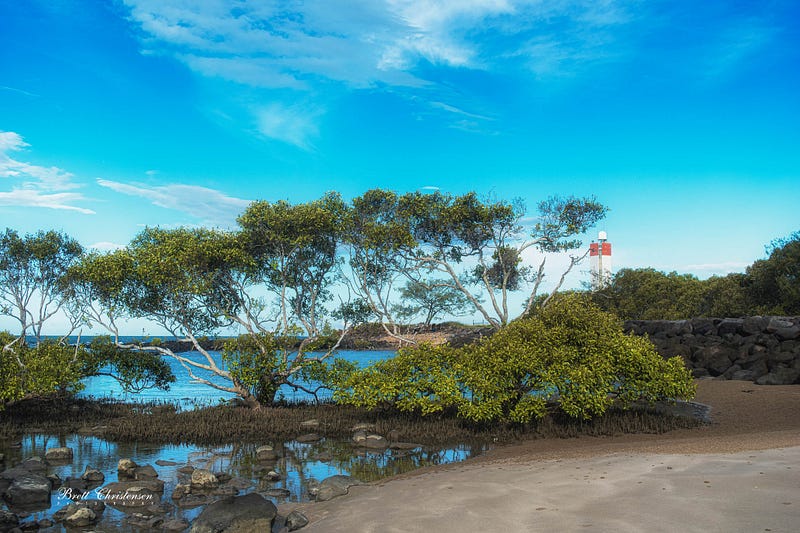
Dark mangrove life rich Dividing land and ocean Vital carbon sink
Mangrove forests are rich ecosystems that teem with life. And, along with seagrass and salt marshes, they are also vitally important carbon sinks.
An October 1, 2019 report on the Phys.org website notes:
Published today in Nature Communications, the paper shows Australian seagrass, mangrove and salt marshes absorb 20 million tonnes of carbon dioxide each year, which remains locked up in their soils for millennia.
That’s about the same as the annual emissions of more than 4 million cars.
But, damage from climate change, severe weather, and human development means that 3 million tonnes of carbon dioxide from these ecosystems is now being released back into the atmosphere each year.
We must do everything we can to protect and preserve these valuable ecosystems.
The Global Mangrove Alliance website notes:
Mangrove forests are some of the world’s most valuable coastal ecosystems—and they’re being destroyed at an alarming rate. We’ve lost 50% of the world’s mangroves just in the past half century, and if current trends continue, the remaining mangroves could be gone within the next 100 years.
We can help by getting involved with both global and local conservation groups and pressuring our political leaders to take action. The Global Mangrove Alliance website is a great resource for those who want to learn more about mangrove ecosystems and what we can do to look after them.


