
Managing with Courage and Compassion During a Global Pandemic
In early 2020, COVID-19 took hold of our lives and turned our world upside down. At the time I was working for a large international financial firm. I managed a team of three employees. Our department’s work was hands-on operations/customer service for the Los Angeles office. Close to 97% of our work was done onsite. Space and facilities management were our primary responsibilities. When COVID hit, our office, like those of most companies, was closed and we were relegated to working remotely. For many other entities within the company, this transition was far easier than for us due to the type of work involved.
The LA office Partner/Executive, early on, had stated publicly that he believed COVID was a hoax. The spineless director of my unit went along with this delusion, wanting staff to go into the office even though there could be deadly consequences. This was one of my team’s main concerns in the initial months of the pandemic; that they were going to be forced to work out of the office, possibly exposing them to the virus. Two clueless managers and the denying director from our department wanted to keep the office open, even though our corporate headquarters in New York had closed all offices and reassured us that none of us would be obligated to come in. I kept emphasizing to my staff that the firm’s top leadership back East was not forcing anyone to work from the office. I was not going to allow my team to be put in danger. The other two supervisors were not demanding it, but they were encouraging people to work from the office. I was never willing to put my team’s safety in jeopardy because people should not have to die for their jobs. We are not robots, we are human beings. I protected them from going into the office for as long as I could.
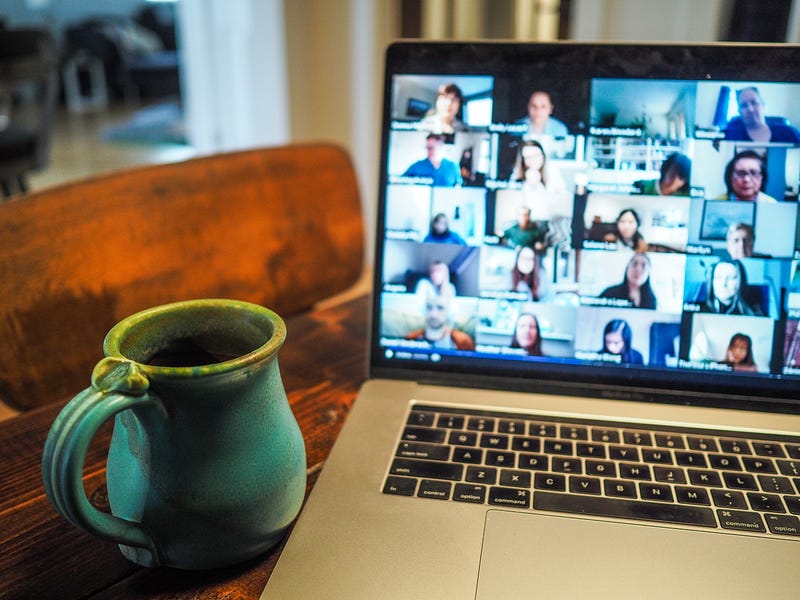
From the onset, my main goals were to make sure my team and I stayed safe and healthy and to stay in close contact to support one another during this once-in-a lifetime global pandemic. I immediately switched our weekly team meetings and one-on-ones from in person to Microsoft Teams Video chats. The gatherings took on a different dynamic because we were facing such a perilous situation. No topic was off the table. It was no longer “business as usual.” We discussed our worries, our deep concerns about what was happening, and kept each other informed about the daily news concerning the pandemic. We also shared coping techniques such as meditating, exercise regimen, and setting a daily routine. For the moment, work took a back seat to the grave threat that was out there. I gave everyone on the team some time to get adjusted to this new reality. The other supervisors in the department took a different route. They immediately laid down the law, the dos and don’ts of working offsite. They were more focused on keeping tabs on their team members than on their team members’ well-being. This had been the edict from the department’s director from before COVID hit; he was task-oriented and a micro-manager, not particularly innovative or caring. He liked to say that as management, we always had to show who was in charge. The director was a traditional top down manager with no original thinking.
I was deeply disturbed at how our management team continued on as if nothing had really changed, even under these dire circumstances. They held daily morning check ins for no other reason than to make sure people were “online,” they forced their staff to turn on their videos for every meeting and questioned them about their comings and goings throughout the day, never taking into consideration what their personal situations now entailed. Some had children at home who were taking online schooling, some had Internet access issues, some felt isolated, and many were concerned about elderly parents who they couldn’t see or help so easily because of the pandemic. We were all going through a lot of new pressures because of COVID, but my co-managers and director did not want to acknowledge this. In fact, they were consumed with thinking that their team members were going to try and take advantage of this new work environment. This attitude disgusted me. At our management meetings, I emphasized that none of us had asked for this situation and that this was the time to show care toward our staff and to be creative about our work. This fell on deaf ears. As is customary in most of the American workplace, showing sincere emotion and concern was frowned upon.
I gave my team a choice about our meeting frequency and protocol. They were fine with the schedule and for the most part didn’t mind having their cameras on but there were times when they were more comfortable with the cameras off. Which was perfectly fine with me.
One morning, the paranoid managers noticed that one of their staff was not “online” for a couple of hours. This greatly upset them. They wanted to know why she wasn’t “working.” They sent her an aggressive email about proper protocols and were downright nasty about the whole thing. It turned out that the employee’s teenaged son, who lived with her, was planning to break the stay at home orders that were in place in our city to hang out with some friends. This single mother was going through a serious situation and instead of being understanding and empathetic, her bosses immediately thought the worst of her and acted like complete idiots. The department director fully condoned this behavior by his management staff. This was a total failure on his part in showing true leadership during this crisis. Throughout the pandemic, the director was distant and avoided speaking about this ominous scenario we all found ourselves in. He wanted to ignore it. During these trying times we need real leaders to help us get through. Unfortunately, as was the case here, those in charge many times fail to truly step up.
Part of being a manager is being innovative and creative. Once I had made sure we all had the tools to work from home and settled in our weekly meeting routines, I set out to make my team as productive as possible from our new home offices. As I mentioned, prior to COVID, our roles consisted of space and facilities management, so this pandemic changed everything for us. My plan included customer outreach to our stakeholders through video conferencing, to see how we could assist them during this time and to discuss their concerns. I also had the team start on contingency planning to be prepared with whatever opening would come in the future. This was crucial because we would have to adhere to a brand new set of guidelines — social distancing, wearing masks, limited traffic, etc. Another project we started was putting together a presentation on who we were, what we did, and how we could assist our colleagues during this trying time. It was a good exercise, it showed us how much we contributed to our organization and how we could broaden our influence. I recommend that all teams periodically undertake this presentation exercise even under normal circumstances.
I also highly encouraged everyone on the team to take full advantage of the trainings offered by the firm. We each took at least one new course a week. The trainings included subjects such as Project Management, communication and presentation best practices, team building, and even how to create a diverse team and avoid biased thinking. After taking these courses, we would put together a short synopsis of the training and cover how we were going to incorporate the lessons into our daily work. As a manager leader, it is imperative to continue your own personal growth and to support your staff in doing the same. Yes, these projects were undertaken because of the current conditions but it nonetheless allowed my team to look at their roles differently, to expand their contributions, to learn new skills, and to value their efforts. Even though this new reality was a bit chaotic and confusing at times, I made sure to stay flexible and to make the best out of these conditions.
In late May we were all shocked and sickened by the senseless killing of George Floyd at the hands of a police officer. Mass nationwide protests erupted. This was another grave concern that added to our already stressful existence. The firm put together a taskforce to address systemic racism and to help eradicate discrimination in the organization. I volunteered as a spokesperson. At our weekly department team meetings I encouraged honest discussions around this crucial topic. There were several of us who spoke up; I had assured everyone that this was a safe space jut like the top brass had promised us. Some team members were reluctant to participate, staying quiet for most of the conversations, but we still had some enlightening and passionate discourse. The other two supervisors in my unit never seemed quite comfortable around this topic and for the most part never said anything pro or con. Our director was even more ambivalent. He never attended these video calls and stated that he was not much interested in this initiative.
Later in the year, the company decided to lay people off. I was one of the staff that my director decided to let go. It was obvious that he didn’t agree with my style of managing, as the other two supervisors were not laid off. As is often the case, these mid-level managers/directors have carte blanche to make these cuts without any oversight. He also let go all of the African-American women on his team. The single mother was one of them.
My team was saddened by this decision. My right hand person stated to me that I was the best manager she had ever had, and that she told the rest of the team that they would never experience working with someone like me again. I was humbled and grateful for her comments. I did what I could to make this once-in-a-lifetime global catastrophe bearable for all of us. I am proud of how I worked with my staff during this calamity.
There are unique times that give people an opportunity to step up and make a real difference, to be a true leader. When that chance arises, I hope you will choose to do the right thing even if there are negative consequences.
Two main things to remember, especially when faced with an unforeseen lethal pandemic, are empathy and your life perspective. In my situation, I tried my best to show empathy to my colleagues, even though I was experiencing the same uncertainty that they were going through. My life perspective is that the most important thing is a person’s health and well-being. My goal at work was to make sure we all got through this as healthy as possible both physically and mentally. This is what I felt was the right thing to do once COVID-19 took hold. This probably cost me my job. Given the chance, I would do the same thing all over again.
When it’s all said and done, I have peace of mind that my team appreciated my honorable efforts and that they will long remember me fondly for it.
Alejandro Diaz writes extensively on culture, politics, and the workplace. He holds an MFA in Screenwriting from the University of Miami and a BA in Communications from the University of Illinois at Chicago. Alejandro was born and raised in Chicago and now lives in Los Angeles with his wife.


