
Man the lifeboats
Rishi Sunak tries to manage Conservative Party panic.

It is a basic truth of party politics that as much energy is spent fighting the enemies within as the opposition without.
The present state of UK politics is a textbook case. The Conservative Party, after more than a decade in government, is riddled with factionalism on a scale normally associated with Labour and the parties of the Left. The engine behind this internecine strife is the looming prospect, not just of electoral defeat, but annihilation. Polls place the Labour Party up to 27 points ahead, and especially among MPs who only secured their seats in the Boris Johnson 2019 landslide, there is panic a-plenty. It’s like a corporation where redundancies are in the air.

Conservatives are likening the scale of defeat to that experienced in 1997, the election that ushered in the Blair-Brown years of Labour dominance. They add to their own panic by conjuring up the spectre of the party being obliterated by the rise of Nigel Farage’s Reform UK party, the latest iteration of those who feel that Brexit has not really, truly, been done.
For these reasons, in the party’s flagship national newspaper, The Daily Telegraph, there have been calls for Sunak to go. They concede that he is not the cause of the party’s ills, but he is no longer seen as the remedy. His recipe for recovery seems to consist of ‘Stopping the Boats’ and ‘Cutting Taxes.’

One of Sunak’s potential replacements, Suella Braverman was the architect of the Rwanda plan, which is rooted in the idea that the number of migrants eager to cross the Channel in small boats will plummet decisively once they learn that illegal arrival automatically ensures their deportation for processing to the central African republic of Rwanda; a nation, sadly best known for its inter-tribal genocide.
Part of Sunak’s predicament is that the policy has been judged illegal because it fails to comply with a range of international treaty commitments. It also faces opposition in the UK Parliament’s upper chamber, not least from the bishops who traditionally form part of the House of Lords, as well as from senior statesmen, dismayed at its cost and dubious effectiveness as well as offended by its immorality.
On this occasion, Britannia should not wave the rules. Nevertheless, the policy reflects the strong strand of xenophobia that has been integral to the Party, especially since its role in the Brexit debates, and that aspect is strengthened further by the fact that processing asylum claims is made more complex by the right of appeal to the European Court of Human Rights under the terms of the declaration to which the UK is a party, as well as under their right of asylum under the UN Charter.
The second policy is equally reflective of Conservative orthodoxy since Margaret Thatcher’s time: namely, that the state should be induced to wither by virtue of declining revenues. Hence, even though virtually every public service — from defence and education to housing, infrastructure, and social care — is failing, the refrain within Conservative Party ranks remains Tax Cuts. While the memory of Liz Truss’s catastrophic “go for growth” mini-budget (which included tax cuts) is fresh, there is already a chorus clamouring that the supply side of the economy needs the boost that tax cuts would bring. Moreover, there are plenty of Conservatives who believe that the market would magically address vital needs if there were reforms to lift the dead hand of the state. This line dominates their discussion of planning reform. Fewer restrictions on where you can build would ensure it was cheaper to build and projects were faster to complete. The same short-term calculus is evident in efforts to press ahead with so-called interim measures, like new oil-field licences and new nuclear plants, that will bridge the energy gap until the supposedly green economy is ready to go on-line.
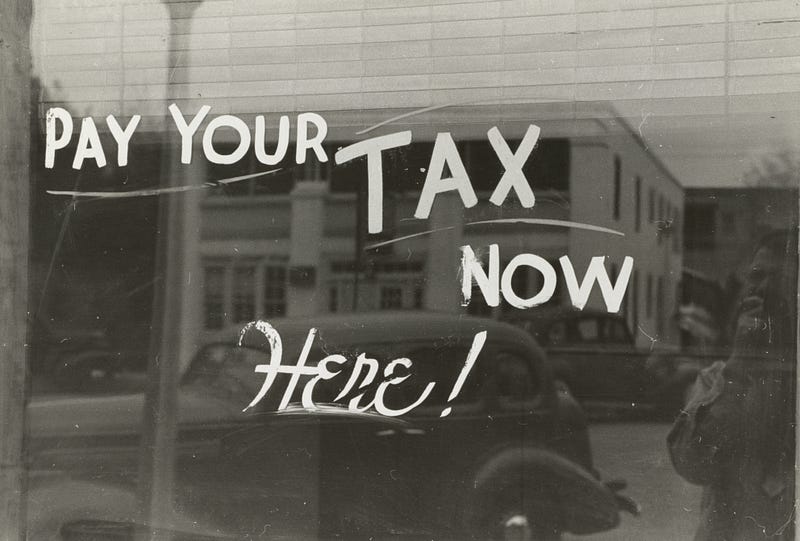
In a bid to restore unity, Conservative Party chairman Richard Holden, when interviewed in the Daily Telegraph, urged a clear message that the Labour Party was ‘the enemy of the British people’ on issues like migration and taxation. He pointed to the pending cut in National Insurance (the employer/employee contribution that is supposed to cover pensions and unemployment benefits among other things) as a ‘down-payment’ on the Conservatives’ commitment to a low-tax economy where people spend ‘more of their own cash.’ Asked about the appeal of Farage’s Reform party to Conservative voters, he predictably warned that this was a way of making a Labour victory more likely, or as he puts it, getting “Keir Starmer into No 10.” Addressing the simultaneous threat from the more centrist Liberal Democrats, who are often the second-placed party to Conservatives in the prosperous south-east of England, he was similarly dismissive. They, too, are just ‘playing games’ that will ensure a Starmer victory. The surest proof of Conservative disunity is the Chairman’s insistent demand for unity at all costs.

A striking feature of Conservatism since the 1980s has been that it generally takes a dim view of established institutions. After all, there was a time when the term implied a commitment to them. Today, deploring the establishment is at the heart of the British ‘culture wars.’ Perhaps the most deeply entrenched critique (presented as enduring comedy in the classic TV series Yes, Minister) is that the Civil Service (the national administrators) are more interested in themselves and their own processes rather than in the policies of elected governments. Elsewhere, this is recast as the deep state or faceless bureaucrats. Chairman Holden believes that the civil service needs to temper its introspection and realise it is there to ‘deliver for the people’ (with, of course, the strong proviso that the party in power is the people).

More recently has come the charge that established institutions are havens for the ‘woke.’ Among those most suspected, beyond the Anglican church and the universities, is the BBC which Holden deplores for having a ‘broad liberal establishment element’ within it. This publicly funded, independent broadcaster needs to realise, he says, that it has ‘no God-given right to exist’ and should instead concentrate on reflecting the ‘broadest views of British society.’ One can only assume that these are the same views that agree with Holden that the policy on migration is, as he insists, not only ‘on the side of the angels’ but on the side of ‘humanity’ itself.
The same outlook that morality demands stopping the crossings recently prompted criticisms of the Royal National Lifeboat Institution because its charter essentially requires it to save migrants in the Channel who would otherwise drown. Saving lives is so much less of a deterrent than deaths.
Similarly, Conservatives have taken to decrying the National Trust because this long-established charity has begun to address the historical reality that the many stately homes, now under its care, have links to slavery and the slave trade which should properly form part of the educational exhibits offered to visitors. In short, it is all too clear that in the UK, as elsewhere, there is a political demand for unity at the expense of truth.

Despite the efforts of Holden and others to minimise the situation, Prime Minister Sunak is beleaguered. Even such familiar tactics to rally the faithful as taking a belligerent international stance — UK warships off the Horn of Africa have joined US forces in strikes against the Houti rebels in Yemen — are tarnished by the grim fact that nearly one-third of the UK’s armed forces personnel are currently not fit for active service and that senior officers warn that any full conflict would require a rapid move to conscription. We cannot afford a war. Indeed, tax cuts seem an odd remedy for a country that has collapsing schools, record waiting lists for healthcare, and local governments declaring bankruptcy because they do not have the funds to deliver the social services required by law.

Precariously poised, the only remaining Conservative hope is that there is still a strong media bias against the Labour Party, and tabloids and talk radio eager to exploit all the many divisions that Keir Starmer himself has barely papered over: whether in terms of prioritizing environmentally sustainable development or taking a more critical posture towards Israel’s war in Gaza. If the Conservatives can just weather the next few months and make it through until May, the thinking goes, there is still time for the Left to implode, and voters to panic. In the corridors of Westminster, however, Conservatives are already dizzy as they stare at the precipice ahead.


