
avatarNapoleon

Free AI web copilot to create summaries, insights and extended knowledge, download it at here

2382

Abstract

mbarrassed that he was caught alive. Later on, he spent some years in Brazil after he found it difficult to assimilate in Japan after his return in 1974, but in 1984 returned home and <a href="https://www.theguardian.com/world/2014/jan/17/hiroo-onoda-japanese-soldier-dies#:~:text=Hiroo%20Onoda%2C%20an%20army%20intelligence,on%20Thursday%2C%20his%20family%20said."><i>opened nature camps for children across Japan.</i></a></p><p id="fc4d"><b>How Yokoi was discovered in 1972</b></p><blockquote id="2b31"><p>Two local hunters on the Pacific island of Guam stumbled across a hunched-over man in filthy clothing late one January afternoon as he was setting handmade shrimp traps in a remote jungle stream. — <a href="https://slate.com/news-and-politics/2022/01/shoichi-yokoi-japan-guam-survival-reappearance.html"><b>Slate.</b></a></p></blockquote><p id="fe8d">When he was found, he weighed 90 pounds but was surprisingly in good health. He survived by eating toads and field mice. He made a makeshift tunnel, which provided him shelter for the years he had been in hiding.</p><p id="1a43">When Pearl Harbor happened, the Japanese captured Guam, running it like concentration camps. But when the US liberated Guam, which killed almost 18,000 Japanese soldiers and nearly 2,000 American soldiers, the ones who didn't surrender and was later found by the natives were killed.</p><p id="ef3c">It is why Yokoi's story isn't only a story of survival and human endurance.</p><p id="7fdd">By the time he arrived in Japan, many things had changed. There was television, men have landed on the moon, and the nuclear bombs that made Japan surrender have long been part of human history.</p><p id="4a19">He marveled at the sight of salt and pepper in a sachet when he was taken to a hospital in Guam. He also asked if Roosevelt was still the US president, to the delight of the Japanese press when he was first presented to the public.</p><p id="7ad9">His return was well covered in Japan, thousands of people came to the airport to see him, and millions tuned in to their television to see the man who survived the war for 28 years.</p><p id="6658">The fascination by the Japanese public became a question to many people's minds as to what his story meant, some believed he was a deserter, and some thought he was a victim of the system.</p><p id="3480">Later in life, he launched an unsuccessf

Options

ul bid to be an elected parliamentarian, he never lost his undying support for the Emperor, and soon his story was forgotten.</p><p id="01ae">At 57, his family thought it was best for him to have a wife, and he hired a professional matchmaker. Soon after, he met his wife Mihoko Hatashin and married her in 1974.</p><p id="c492">It was a marriage that lasted for 25 years until the death of Yokoi in 1997. He was 82.</p><p id="f081">His story was a long-forgotten story until NHK did a documentary on his life in 2021. In it, his wife, who is in her 90s, has this to say.</p><p id="a502" type="7">“Japan isn’t the place he thought it was,” “I think it’s a place that no longer needs to hear his story.” — Mihoko Hatashin</p><p id="fd6b">As the world awaits what will happen in Ukraine, unfortunately, it seems we never really learned from history. Wars have no winners, but only deaths.</p><p id="f4f0"><i>Lessons in History</i></p><div id="d9ea" class="link-block"> <a href="https://slate.com/news-and-politics/2022/01/shoichi-yokoi-japan-guam-survival-reappearance.html"> <div> <div> <h2>How a Long-Lost Soldier's Survival Story Riveted-and Confounded-'70s Japan</h2> <div><h3>Fifty years ago this month, one of the last Japanese soldiers from World War II finally came in from the cold. Two…</h3></div> <div><p>slate.com</p></div> </div> <div> <div style="background-image: url(https://miro.readmedium.com/v2/resize:fit:320/0*HbQo3WGPvzEUApff)"></div> </div> </div> </a> </div><div id="e6e3" class="link-block"> <a href="https://www.theguardian.com/world/2014/jan/17/hiroo-onoda-japanese-soldier-dies"> <div> <div> <h2>Hiroo Onoda: Japanese soldier who took three decades to surrender, dies</h2> <div><h3>The last Japanese soldier to come out of hiding and surrender, almost 30 years after the end of the second world war…</h3></div> <div><p>www.theguardian.com</p></div> </div> <div> <div style="background-image: url(https://miro.readmedium.com/v2/resize:fit:320/0*ZOqJncMU8D9VvdYU)"></div> </div> </div> </a> </div></article></body>

Man Survives the War for 28 Years but Was Sorry They Found Him Alive

Here is his story.
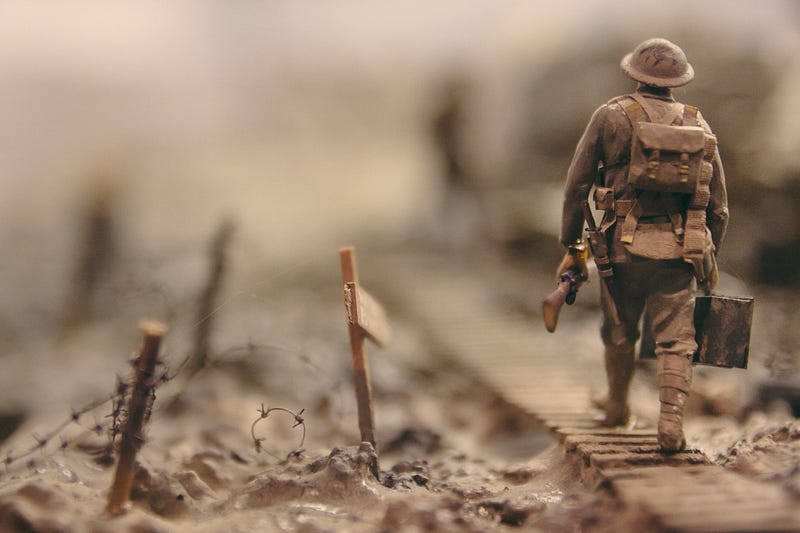
Photo by Stijn Swinnen on Unsplash

Shoichi Yokoi

Nobody wins in a war. Recently, we have been hearing of an impending Russian invasion of Ukraine, and if that happens, it will be a catastrophe. Tens of thousands will die.

Often, ordinary people don't have a say in a war, it is always a crazy world leader who will send millions to their death, and we can only look back at WW2.

During WW2, as Japan was about to surrender to the Allied forces, many Japanese soldiers chose to die by committing Seppuku — a type of ritual suicide that samurai practiced to avoid the shame of being held prisoner.

To them, they failed if they were caught.

Shoichi Yokoi didn't die during the war, he didn't surrender, but he was in hiding for 28 years, long after the war had ended.

I’m ashamed to have come home alive.

His story was one of the few Japanese soldiers who had remained in hiding after the war had ended. Instead of surrendering, they chose to hide in the jungle.

A similar story happened in the Philippines. Hiroo Onoda, an army intelligence officer, caused a sensation when persuaded to come out of hiding in the Philippine jungle in 1974.

LIke Shoichi Yokoi, he was embarrassed that he was caught alive. Later on, he spent some years in Brazil after he found it difficult to assimilate in Japan after his return in 1974, but in 1984 returned home and opened nature camps for children across Japan.

How Yokoi was discovered in 1972

Two local hunters on the Pacific island of Guam stumbled across a hunched-over man in filthy clothing late one January afternoon as he was setting handmade shrimp traps in a remote jungle stream. — Slate.

When he was found, he weighed 90 pounds but was surprisingly in good health. He survived by eating toads and field mice. He made a makeshift tunnel, which provided him shelter for the years he had been in hiding.

When Pearl Harbor happened, the Japanese captured Guam, running it like concentration camps. But when the US liberated Guam, which killed almost 18,000 Japanese soldiers and nearly 2,000 American soldiers, the ones who didn't surrender and was later found by the natives were killed.

It is why Yokoi's story isn't only a story of survival and human endurance.

By the time he arrived in Japan, many things had changed. There was television, men have landed on the moon, and the nuclear bombs that made Japan surrender have long been part of human history.

He marveled at the sight of salt and pepper in a sachet when he was taken to a hospital in Guam. He also asked if Roosevelt was still the US president, to the delight of the Japanese press when he was first presented to the public.

His return was well covered in Japan, thousands of people came to the airport to see him, and millions tuned in to their television to see the man who survived the war for 28 years.

The fascination by the Japanese public became a question to many people's minds as to what his story meant, some believed he was a deserter, and some thought he was a victim of the system.

Later in life, he launched an unsuccessful bid to be an elected parliamentarian, he never lost his undying support for the Emperor, and soon his story was forgotten.

At 57, his family thought it was best for him to have a wife, and he hired a professional matchmaker. Soon after, he met his wife Mihoko Hatashin and married her in 1974.

It was a marriage that lasted for 25 years until the death of Yokoi in 1997. He was 82.

His story was a long-forgotten story until NHK did a documentary on his life in 2021. In it, his wife, who is in her 90s, has this to say.

“Japan isn’t the place he thought it was,” “I think it’s a place that no longer needs to hear his story.” — Mihoko Hatashin

As the world awaits what will happen in Ukraine, unfortunately, it seems we never really learned from history. Wars have no winners, but only deaths.

Lessons in History

History
War
Japan
Shoichi Yokoi
Lesson In History
Recommended from ReadMedium