
Making Time for Your Garden
Stop fighting nature and use time-management techniques to make your garden a place you want to be.
There was a time when my garden was high on my list of priorities and spending time in it was as much a part of my routine as doing the laundry or vacuuming the floors — and a lot more rewarding.
But life intervened. My mother got Alzheimer’s, requiring care and management. The recession led to longer work hours just to keep up. I got the opportunity to write a book, and then another one. Then more family demands piled on. The garden moved lower and lower on the list of things that actually got my attention, and it showed. Perennials went untended, annuals went unplanted, and weeds, the ultimate opportunists, gained the upper hand.
I know this tale is not unique. I’ve never met anyone who said, “I don’t like gardens.” But I’ve met many people who’ve said (usually sadly, wistfully) “I don’t have time for my garden.” My weeds and I seem to be in good company. In surveys done by the Garden Writers Association Foundation, one of the most frequently cited reasons why people don’t garden is “lack of available time.”
Managing Time vs. Managing Nature
As I tried to rescue my out-of-control garden, it occurred to me that this was not a gardening problem as much as it was a time-management problem.
That led to two more realizations:
- Unlike with other areas of household management, in the garden nature plays a key — and inescapable — role in setting the schedule.
- There is plenty of time-management advice out there that can be applied to gardening just as in other areas of life.
I confronted the first realization as I was writing my second book, California Month-by-Month Gardening. As I mapped out a monthly approach to managing a California garden, it became clear that in spite of our laid-back attitudes, long growing season, and generally forgiving climate, we can’t escape the fact that certain tasks need to be done at certain times. Missing the few deadlines that nature sets (first and last frost dates, dormant periods, bloom times, harvest times) leads to problems that just require more time to battle.
So, rather than trying to fight nature, it’s best to work with it and honor its deadlines. That means, for example, completing winter pruning and bare-root planting by Valentine’s Day, warm-season planting by Easter, summer pruning by 4th of July, and cool-season planting by Thanksgiving. Breaking those tasks down to monthly jobs makes it manageable enough for even the weekend gardener.
Looking to the Experts
To make my gardening even more manageable, I’ve turned to a couple of time-management and organization experts.
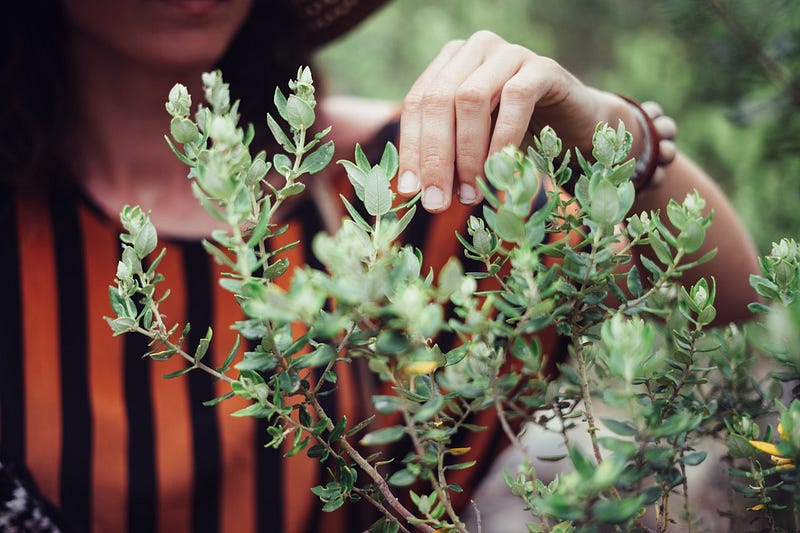
From Marla Cilley (a.k.a. FlyLady), I learned the value of 15-minute timed tasking. One of the biggest hindrances to getting things done is our tendency to over-estimate how long our chores really take. So, just set an egg timer to 15 minutes and go at it, whatever “it” is. I’ve found that in 15 minutes I can prune one of my small fruit trees, water all the container plants in my backyard, plant a flat of seeds, or pull a surprising amount of weeds. Bigger jobs can still be accomplished in 15-minute intervals, over a day or a week or as long as they take to complete. And because I’m focusing on just one brief task at a time, I can usually get through it without getting dirty or sweaty while I’m taking a break from my desk.
From time-management coach Elizabeth Grace Saunders, author of The Three Secrets to Effective Time Investment, I finally grasped the approach that made sense of it all. As Saunders describes it, time management is really about time investment, and the way we best invest our time is by developing simple routines that reflect our priorities.
My garden can’t be my top priority each day but by creating a routine as simple as walking through the garden while I drink my coffee each morning, I can keep in touch with what’s going on in it. I can target those tasks I can do later, 15 minutes at a time, and maybe plan to tackle a bigger chore during a longer gardening session on the weekend.
The ultimate time-management tip for gardeners, it turns out, is to actually be out in the garden. That’s where we’ll be reminded why the garden matters to us and the importance of spending time there.
This article originally appeared in the San Diego Union-Tribune.
If you liked this article, check out these stories too:
Become a member of Medium.com and you’ll get full access to every story on Medium while your membership fee directly supports Claire Splan and thousands of other writers creating fresh stories you’ll want to read.


