
Take The Leap: Can non-tech 🙎🏽♀️ talent make an impact in tech 🤖 startups? — Wanjiku Kimani

One of the biggest motivations for us creating Venture for Africa was to build a supportive and defined environment for fellows to give startups a shot, to see what they can make happen — as we wrap up our 1st cohort we’re thrilled to see so many of our fellows blow themselves away at how much of an impact they’ve been able to make and Wanjiku Kimani is absolutely one of them!
Teaching Old Skills New Uses
Chatting with Wanjiku we realised just how common among young talent the idea that non-technical talent just won’t be able to effectively contribute at a tech startup. This perception of them not having the skills certainly felt like a huge barrier to them even beginning to explore careers in tech startups.
If only we can make it more widely known that there is so much more to building a successful tech startup than just great tech!
“There are so many ways the kind of experiences you have can translate into having an impact on a startup”
Wanjiku Kimani, VFA C01
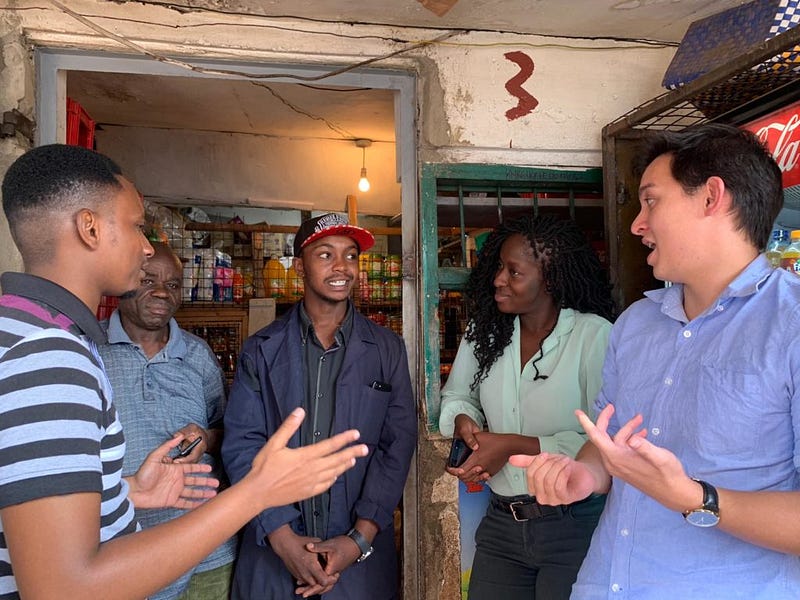
Wanjiku connected skills she had developed to real startup impact during her fellowship with the data team at Sokowatch, a leader in micro-merchant digital enablement in East Africa.
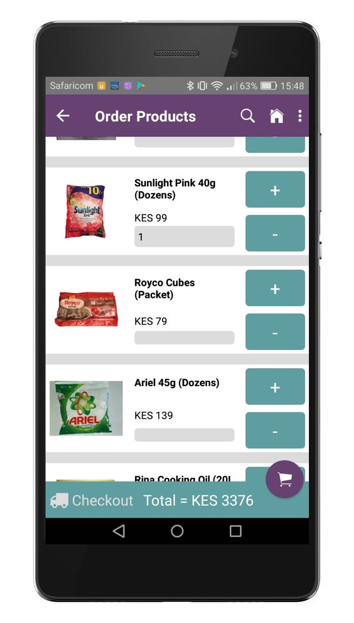
How does a strategy consultant add value to a data team in a startup? Wanjiku certainly began feeling insecure of the value she could add, feelings of imposter syndrome started creeping in.
Her “ah hah” moment came when she realised that as a support function, her clients were in fact the other teams in the startup — clients that needed the information translated and shared in a way that is both understandable and fit for their purposes, just like the clients she had in consulting! With this realisation in hand she was then able to bring in the incredible communication and stakeholder management skills she had built up over the years to bear.
“You never know what skill you already have could be relevant in a startup until you try it out, it might be a skill you feel is second nature to you and not a big deal but it could have a massive impact on a startup!” — Wanjiku Kimani, VFA C01
Creating a Supportive Environment (Remotely)
It was also obvious in our chat that an enabling environment for young talent is so key as they begin their journey and are figuring out their place.
This is challenging to do in normal life and even tougher in a fully remote 2020, after all, Wanjiku like almost all of VFA’s fellows have still “yet to meet any colleagues face to face”. How can you feel supported by people you haven’t met? Sokowatch feels like it had the answer, Culture and Regular Pro-active Communication.
“Reach out if you need any help at all!” is something we’ve all heard many a time, very often it’s a bit of a pleasantry but what really surprised Wanjiku was that the team at Sokowatch really meant it! Team members all throughout the organisation no matter how distant or senior were eager to help with any of her roadblocks in her first few weeks.
Communication was also key, especially from managers, Wanjiku’s made sure to involve her in weekly strategy meetings to get a sense of how her work fit in with the myriad of streams of work at the firm but also took the time to jump on a call after each one of those meetings (which can be overwhelming) to Contextualise what each item discussed meant for what she was working on and if she needed to reprioritise her goals for the week.
Reach Out, Dive in, Don’t Look Back
Wanjiku also reflected on how most startup roles (where in London where she was based or in Nairobi) are sourced via relationships and without a foot in the door, her and her peers at the LSE really didn’t know where to start, who to reach out to. But she decided to “take her shot” ⛹🏿♀️ and start reaching out to a list of individuals who could help her get in (I was really glad to be on that list!). She was determined to get into “the room where it happens” and that initiative and focus we really feel makes a successful fellow at VFA.

Even with a foot in the door now, Wanjiku still remembers being scared and unsure if she should take the leap, there were still swirling voices around her not understanding why she would make the switch, why would she not join a corporate which had the tools and resources to enable her to develop her career. She had always been risk averse but this felt right and so she dove in and hasn’t looked back since!
“The personal growth and development that I experienced in a startup was mind-blowing” — Wanjiku Kimani, VFA C01
To those about to take the leap, Wanjiku reminds them that being unsure is normal, that it’s not a sign you shouldn’t do it, and that you won’t be alone in your journey, the startup world in Africa is way more supportive than you think!