
Make your children fight
Or the world might do it for you
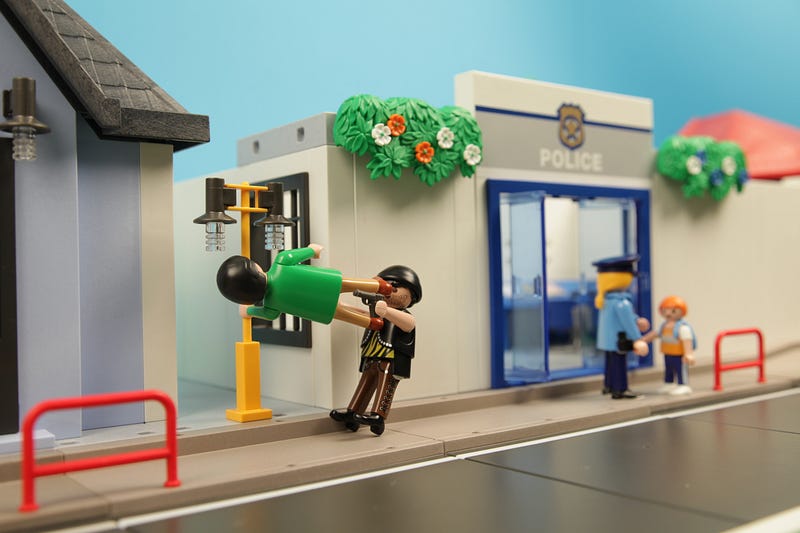
Violence exists. We’ve all seen it on screen. Some of us think we can put up a fight or take a beating. That’s where the trouble starts. Forget what you’ve seen in films. In real life, violence is visceral, it hurts. Some people will get one beating and never recover psychologically. Others will get beaten to death, or suffer life-altering injuries. It happens.
Have you ever been beaten up, abused, violently robbed, raped, or assaulted? Or have you ever seen it happening to another person; a stranger perhaps, or someone you cared about?
What if it happened to you? What if it happened to a loved one? What if it happened to your child?
Or maybe you never see it. Maybe you just get a phone call from the police or the hospital. Which phone call do you want? The one where they say your child has been arrested for breaking somebody’s arm, or the one where they say your child has been raped?
It might never happen. Just like you might never have a car crash. But you’re an idiot if you don’t buckle up.
What’s the worst that can happen?
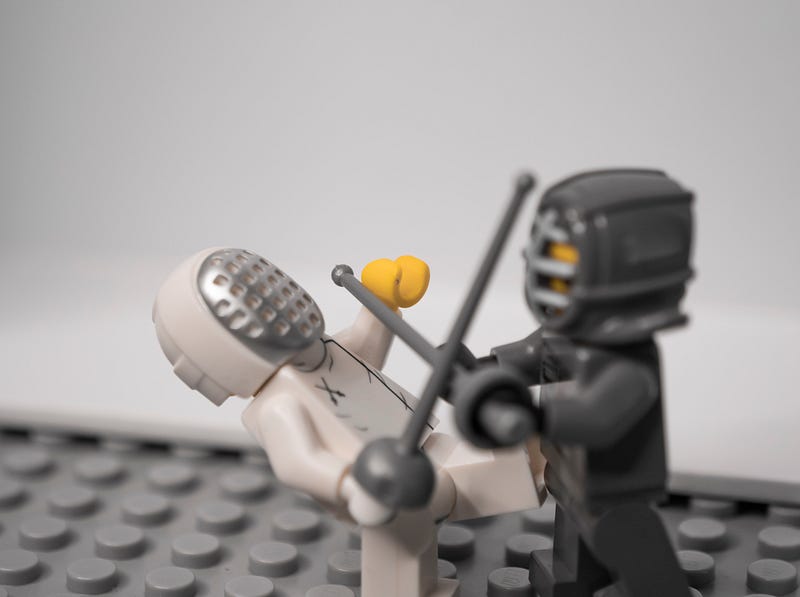
When you are faced with an uncomfortable situation, or when someone crosses the line, what’s the worst that can happen if you stand up for yourself? They can physically attack you.
A lot of people get pushed around. They are afraid to speak their mind, or to stand their ground, or to defend what’s right and fair. They put up with mistreatment, they keep their opinions to themselves. There is a lack of confidence that has them putting up with countless microaggressions, the cumulative impact of which can negatively impact their mental health and attainment.
That doesn’t happen to people who have learned how to fight. They know they don’t have to take it.
Being a victim of violence is a basic human fear. It’s more of fear when you are a child; smaller and presumably an easier target. Imagine how different things are when you can handle violence. Imagine the difference it could make to your children’s lives.
Few people will resort to violence; those who do have learned that they can get away with it. They become bullies. In most cases, they have never encountered the slightest bit of resistance. The realization that the intended victim is not afraid will be enough to stop a bully in their tracks. If it doesn’t, getting an arse whooping certainly will.
If somebody does something wrong, a person who can handle violence has the confidence to stop them.
If you teach your children to fight, people will be far less likely to mess with them, or take advantage of them, psychologically, verbally, or physically.
The boy in the alley

In my thirties, I saw a teenager being badly beaten in an East London alleyway. He didn’t stand a chance. A gang of ten were landing punches and kicks as he went down to the pavement. The main aggressor was considerably larger than the victim. Not so large that I couldn’t have stopped him, but the other nine attackers would probably have finished me off. Still, I had to walk through it. I got close enough to make them hesitate, just for a second, then I considered how much I have to lose (a wife and two children). I kept walking, and the beating continued.
I called the police as soon as I passed the gang, but I have no idea how badly the victim was beaten. My failure to intervene made me sick. I wondered how that boy would be affected, and how his parents would feel. I wondered how I would feel if it happened to my child, worse than if it had happened to me.
A year later I was enrolled in a jujitsu and ninpo class, and as soon as my daughters were old enough, they were enrolled too. If I ever see anything like I saw in that alley again, I’ll be better able to do something about it. If my children ever find themselves in a similar situation, they will be able to defend themselves.
Self defense is an essential life skill, just like being able to swim.
Does violence beget violence?

Yes, violence begets violence. Learning a martial art on the other hand makes people less violent. Does that sound paradoxical?
Giving people guns makes them more likely to use guns, so doesn’t give people fighting ability make them more likely to use fighting ability? It does if they are in a situation where it cannot be avoided. But it also makes them aware of what real violence can do, and therefore they are far less likely to engage in it.
Believe me, when you know how to really do some damage, and you have had the techniques applied to you in a controlled professional environment (a dojo for example), you are not going to be looking for fights. Should somebody insist on fighting with you, however, you will be able to end it quickly.
I can put you in the hospital, and then some.
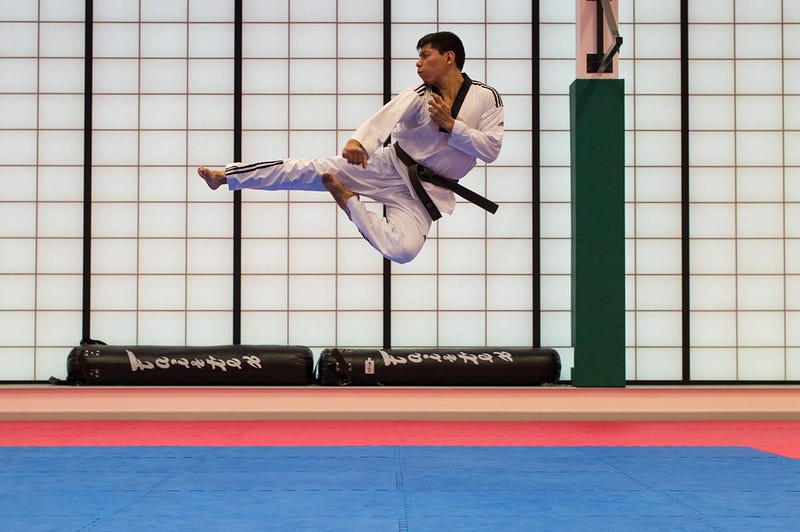
When children engage in martial arts training they learn valuable life skills besides being able to fight. To list a few; the value of hard work, the value of practise, the value of perseverance, the value of consistency, the ability to withstand physical pain. Belts and badges can inspire people who are unmoved by the promise of a good future in exchange for good grades. Good grades don’t always cut it anyway. There are plenty of people getting good grades, but the best universities in the world look for more than just academic ability. They want something else, the cherry on top. A black belt is good, so is the confidence and self-assurance that gaining a black belt will imbue a person with. It doesn’t just say I’ll put you in the hospital if you mess with me. It also says I have the discipline and the work ethic to achieve something difficult. That’s a nice thing to give your children.
Martial arts are like food

Martial arts are like food. Not everybody can stomach the same thing. I’m still looking for a martial art that my youngest daughter will really take to. The eldest is on her way to a black belt in jujitsu.
Different schools have different approaches. Some people can practice for hours without knowing the practical application of what they are doing. Others just want to get gloves on and fight. Whilst the former might do well at traditional martial art using kata, something like Muay Thai or boxing might suit the latter. Don’t quit just because the first martial art you or your child try doesn’t work out. Look for something else. Find the glove that fits.
Becoming a killing machine feels good

When my daughter was 7, she playfully pulled a jujitsu move on me in a supermarket and threw me onto my back with a resounding thud. Fortunately, jujitsu had also taught me to break-fall, so only my ego was damaged. Her face showed a mixture of surprise at her own prowess, pride, and elation. It was fantastic. The knowledge that she could throw a much bigger, much stronger person onto their back felt overwhelmingly positive. I was proud of her too, and utterly convinced that enrolling her in a martial art had been a sound decision.
My own ability also put a spring in my step. Life is very different when you aren’t easily intimidated. And people who might be aggressors think twice. There seems to be an unspoken language between prey and predator. Predators can sense those who might send them away on a stretcher, as well as those who are helpless. The former are given wide berth.
That's exactly what I’m talking about!
At the time of writing this article, I’ve been away from the dojo for an extended period due to work commitments and injury. I have made sure my daughter still gets to her lessons though. Having experienced the very real benefits of regular training, I know I will get back to training myself as soon as I am able.
I’ll be a little older when I next don my Gi, so I asked a friend who is a decade older than me what martial arts training is like in his fifties. He tells me it’s excellent, and having his children training alongside him is totally priceless.
He also sent me the above clip of Joe Rogan interviewing Firas Zahabi, a well-known martial arts trainer. I watched it and exclaimed, “That's exactly what I’m talking about!” It’s worth watching to help you understand some of what I’m trying to communicate in this article.
If you’ve enjoyed reading this story and you’re not a member, you can join medium by clicking here. Membership is only $5 / month and helps to support writers. You get unlimited access to read all of the stories you want. Thank you.